
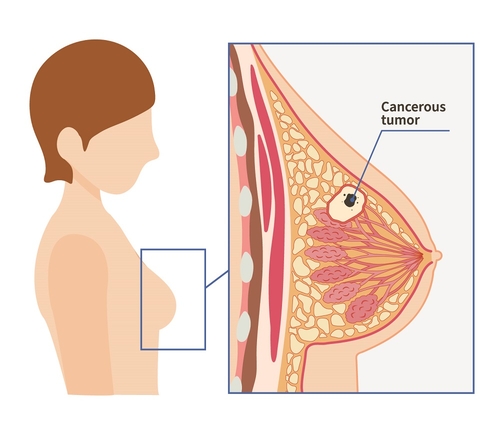
Diagnosed With Breast Cancer? Here’s How Doctors Find Out the Stage: A breast cancer diagnosis can bring many questions and fears. One of the first things patients usually want to know is: “What stage is my cancer?”
The stage of breast cancer helps doctors understand how much cancer is present, whether it has spread, and what treatment approach may work best. However, determining the stage is not as simple as measuring the size of a lump. Doctors carefully study several factors, including the size of the tumor, involvement of nearby lymph nodes, spread to other parts of the body, and the characteristics of cancer cells.
Breast cancer staging is like creating a detailed map of the disease. It helps doctors understand where the cancer started, how far it has progressed, and how aggressively it may behave.
What Does Breast Cancer Stage Mean?
Cancer staging describes the extent of cancer in the body.
Breast cancer is generally divided into different stages:
Stage 0:
Abnormal cancer cells are found in the breast ducts or lobules but have not spread into surrounding breast tissue.
Stage 1:
Cancer is usually small and limited to the breast. It has not spread widely and may have little or no involvement of nearby lymph nodes.
Stage 2:
Cancer may be larger or may have reached nearby lymph nodes, but it has not spread to distant organs.
Stage 3:
The cancer is more advanced locally and may involve several lymph nodes or nearby tissues.
Stage 4:
Cancer has spread to distant parts of the body, such as bones, lungs, liver, or brain. This is also called metastatic breast cancer.
However, these stages are not decided only by the size of the tumor. Doctors use multiple pieces of information before assigning the final stage.
The TNM System: How Doctors Measure Breast Cancer Spread
Doctors commonly use the TNM system to evaluate breast cancer.
It includes three major factors:
T – Tumor Size and Growth
This describes the size of the main cancer in the breast and whether it has grown into nearby tissues.
N – Lymph Node Involvement
This shows whether cancer cells have reached nearby lymph nodes, especially those under the arm.
M – Metastasis
This determines whether cancer has spread to distant organs.
Together, these details help doctors classify the cancer stage.
Step 1: Measuring the Tumor Size
The first thing doctors examine is the size of the cancerous growth.
A tumor may be detected through:
- Mammography
- Ultrasound
- Breast MRI
- Physical examination
- Surgical examination after removal
A smaller tumor is generally associated with an earlier stage, but size alone does not tell the complete story.
Small Tumors
A tumor that is around 2 centimeters or smaller is often considered an early finding, especially if lymph nodes are not affected.
For example, a woman with a 1.5 cm tumor and no signs of spread may have Stage 1 breast cancer.
Larger Tumors
A tumor between 2 and 5 centimeters may fall into a different category depending on whether lymph nodes are involved.
A larger tumor does not automatically mean advanced cancer. Doctors also look at other factors before deciding the stage.
Step 2: Checking Whether Cancer Has Reached Lymph Nodes
Lymph nodes play an important role in breast cancer staging.
They are small structures of the immune system that help filter fluid from different parts of the body. Breast cancer cells can sometimes travel through the lymphatic system and reach nearby lymph nodes.
Doctors check lymph nodes through:
- Ultrasound examination
- Needle testing in suspicious lymph nodes
- Sentinel lymph node biopsy
- Lymph node evaluation during surgery
- If Lymph Nodes Are Clear
When no cancer cells are found in nearby lymph nodes, it suggests that the cancer may still be limited to the breast area.
If Lymph Nodes Contain Cancer Cells
The number of affected lymph nodes and the amount of cancer inside them can influence the stage.
For example, a small breast tumor with cancer found in nearby lymph nodes may be classified differently from a similar-sized tumor without lymph node involvement.
Step 3: Checking Whether Cancer Has Spread Elsewhere
Doctors also want to know whether breast cancer has moved beyond the breast and nearby lymph nodes.
This is called metastasis.
Breast cancer can sometimes spread to:
- Bones
- Lungs
- Liver
- Brain
If there is no evidence of distant spread, the cancer is considered non-metastatic.
If cancer has reached distant organs, it is classified as Stage 4 breast cancer.
Not every patient requires extensive scans. Doctors decide which tests are necessary based on symptoms, examination findings, tumor characteristics, and other medical information.
How Doctors Decide Between Stage 1 and Stage 2 Breast Cancer
Many patients ask:
“What is the difference between Stage 1 and Stage 2 breast cancer?”
The answer depends on a combination of factors.
Stage 1 Breast Cancer
Stage 1 generally means:
The tumor is relatively small
Cancer has not spread significantly
Lymph nodes are usually clear or have very limited involvement
There is no spread to distant organs
Example:
A patient has a 1.8 cm breast tumor, biopsy confirms cancer, and lymph nodes show no cancer cells.
Doctors may classify this as Stage 1.
Stage 2 Breast Cancer
Stage 2 means the cancer is still considered early or locally advanced but has more involvement than Stage 1.
It may happen when:
The tumor is larger
Cancer cells are found in nearby lymph nodes
Other factors indicate a higher level of disease involvement
Example:
A patient has a 3 cm tumor and cancer cells are detected in nearby lymph nodes, but there is no spread to other organs.
This may be classified as Stage 2.
Why Biopsy Results Are Important
Finding a lump does not confirm cancer. Doctors need a biopsy to examine the cells under a microscope.
A biopsy helps determine:
Whether the growth is cancerous
The type of breast cancer
How abnormal the cancer cells look
Important biological features of the tumor
Doctors also test for specific markers that affect treatment decisions.
Hormone Receptors
Some breast cancers use hormones like estrogen or progesterone to grow. These cancers may respond to hormone-blocking treatments.
HER2 Status
Some breast cancers have higher levels of a protein called HER2, which can encourage cancer growth. These cancers may respond to targeted medicines.
Why Cancer Stage Is Not Based Only on Lump Size
A common misunderstanding is:
“A small lump means early cancer, and a large lump means advanced cancer.”
The reality is more complicated.
Two patients can have tumors of the same size but receive different treatment plans because their cancers behave differently.
Doctors consider:
Tumor size
Lymph node status
Cancer type
Tumor grade
Hormone receptor status
HER2 status
Overall health of the patient
Cancer biology can be just as important as physical size.
Clinical Stage and Pathological Stage
Doctors may mention two different types of staging.
Clinical Stage
This is the stage estimated before treatment begins.
It is based on:
Physical examination
Imaging tests
Biopsy results
It helps doctors plan the initial treatment strategy.
Pathological Stage
This is determined after surgery when doctors examine the removed tumor and lymph nodes in detail.
Sometimes the final stage becomes clearer after surgery because doctors get more information from the actual tissue.
Why Knowing the Stage Helps Doctors Plan Treatment
The stage gives doctors important information when choosing treatment.
Depending on the stage and cancer characteristics, treatment may include:
Surgery
Chemotherapy
Radiation therapy
Hormone therapy
Targeted therapy
Immunotherapy in selected cases
For some patients, surgery may be the first step. Others may receive chemotherapy before surgery to shrink the tumor or control cancer cells.
The treatment plan is personalized because every breast cancer case is different.
Final Thoughts
Breast cancer staging is a detailed process that combines many medical findings. Doctors do not decide the stage by looking at only one factor, such as the size of a lump.
They study the complete picture — including tumor size, lymph nodes, possible spread, and cancer biology — before determining whether it is Stage 1, Stage 2, or another stage.
Understanding staging can help patients have clearer conversations with their doctors and make informed decisions about their treatment journey.
Disclaimer: This article is for educational purposes only and is not a substitute for professional medical advice. Breast cancer diagnosis and treatment decisions depend on individual medical reports, test results, and consultation with a qualified oncologist.

