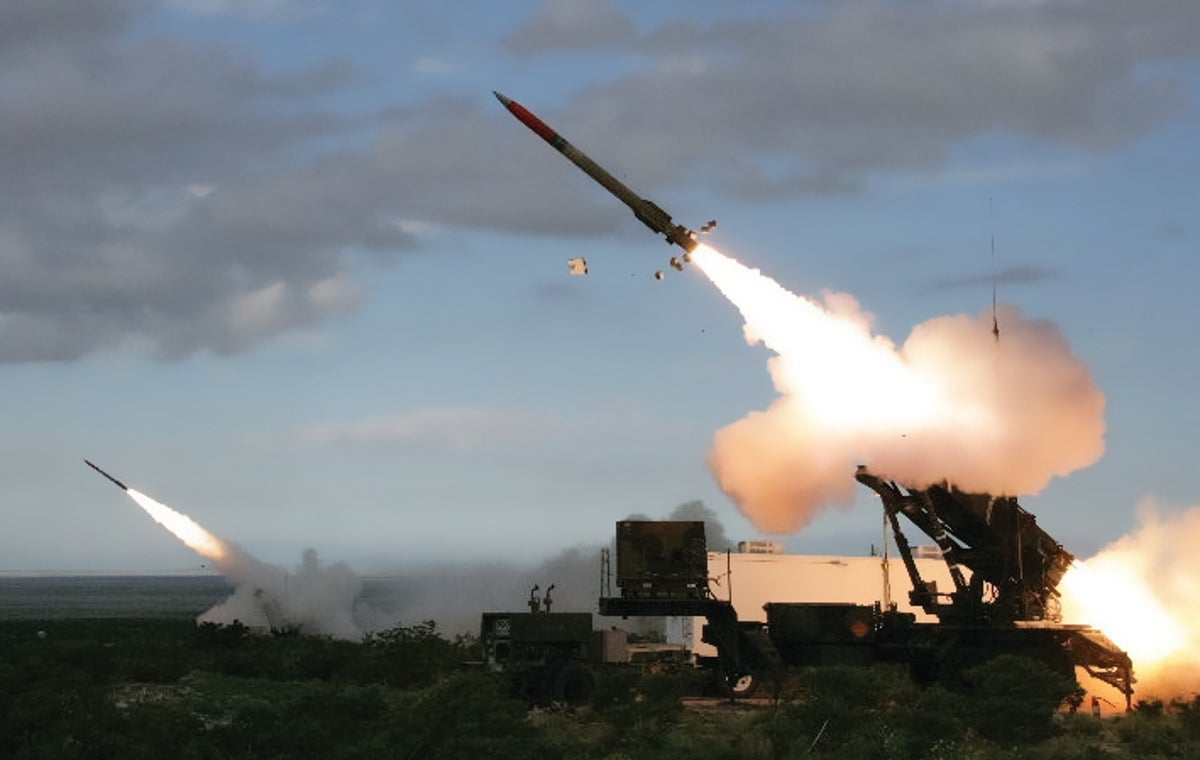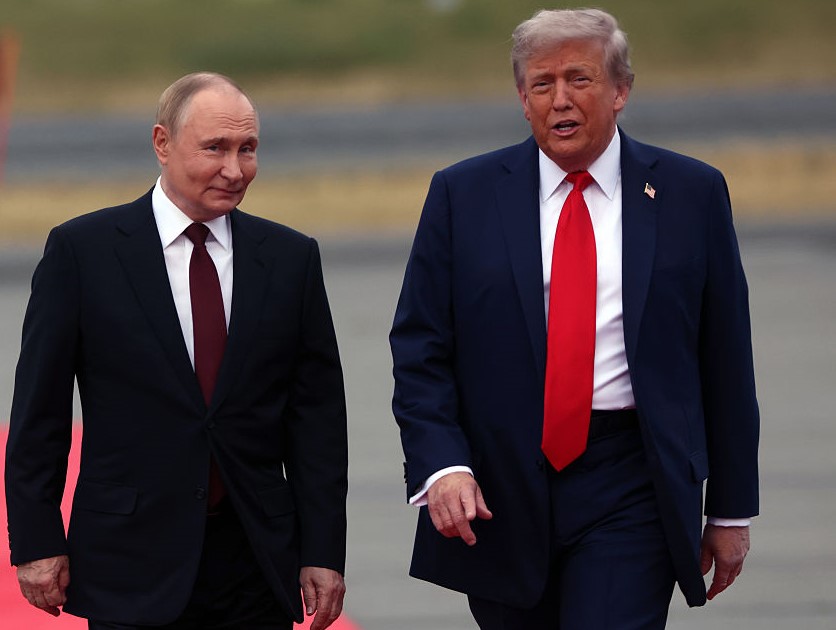
What Does Putin’s Latest Phone Call With Trump Mean for the Iran War? The latest telephone conversation between US President Donald Trump and Russian President Vladimir Putin has drawn attention to the Iran war, rising global energy prices and the future of relations between Washington and Moscow. Following the call, Trump announced that Russia would supply diesel fuel to international markets, presenting the move as a potential way to ease pressure on energy prices. However, the Kremlin’s statement offered limited information about the leaders’ discussion of Iran, leaving questions about whether their conversation could have any direct impact on the conflict.
The phone call took place on October 9, 2026. According to the Kremlin, the leaders focused primarily on the Ukraine conflict, while also discussing Iran, global energy markets and bilateral relations. Putin said both sides had agreed to maintain direct communication and continue cooperation between their respective administrations and security agencies.
The conversation comes as the war involving Iran creates uncertainty across international energy markets. It also highlights the complicated relationship between Washington and Moscow, which continue to have significant disagreements over Russia’s invasion of Ukraine despite areas where their economic interests may overlap.
Iran War Puts Global Energy Markets Under Pressure
The conflict involving Iran has increased concerns about disruptions to global energy supplies, particularly because of the strategic importance of the Strait of Hormuz. This vital shipping route handles a substantial share of internationally traded oil, making it a major concern whenever tensions in the Middle East threaten maritime traffic.
Uncertainty over oil transportation and supply has contributed to volatility in energy markets. The effects extend beyond crude oil to refined fuels such as diesel, which is essential for road transport, agriculture, manufacturing and construction. Higher diesel prices can increase transportation and production costs, placing additional pressure on businesses and consumers.
Against this backdrop, Trump presented Russia’s willingness to supply additional fuel as a potential source of relief. However, the announcement should not be confused with progress towards ending the Iran war.
The Kremlin confirmed that the conflict involving Iran was discussed during the conversation but did not announce a specific ceasefire proposal, peace agreement or joint diplomatic initiative. As a result, the phone call demonstrates continued communication between the two leaders, but does not establish that Washington and Moscow have reached a common strategy for resolving the war.
What Is Behind Russia’s Diesel Supply Offer?
Following the call, Trump announced that Russia would immediately release 300,000 tonnes of diesel fuel into the global market, with additional shipments expected in the coming months. He also described a broader supply arrangement involving further quantities of petroleum products.
Putin’s public statement was less specific about the quantities and timing. He said Russia was prepared to supply oil and petroleum products to the United States and international markets, arguing that additional supplies could benefit the global economy.
The proposal is significant because Washington has imposed restrictions on Russian energy revenues in response to Moscow’s invasion of Ukraine in 2022. Any relaxation of those restrictions could provide Russia with an additional source of revenue while offering international buyers another potential source of fuel.
The arrangement therefore presents a difficult balance for the US administration: addressing immediate energy concerns while maintaining pressure on Russia over its war in Ukraine.
However, the actual impact on fuel prices remains uncertain. Additional supplies could help ease shortages in some markets, but the extent of any price reduction would depend on delivery schedules, refining capacity, transportation costs and overall demand.
The global energy market is also influenced by factors beyond Russian exports, including the security of shipping routes, production decisions and the wider course of the conflict involving Iran. Consequently, the announcement alone is not enough to establish that diesel prices will fall significantly.
Could the Trump–Putin Conversation Affect the Iran War?
Russia has diplomatic and strategic interests in the Middle East, while the United States remains directly involved in the confrontation with Iran. Communication between Trump and Putin could create opportunities to exchange views on regional security, energy supplies and the risks of further escalation.
Nevertheless, discussing a war is not the same as negotiating an agreement to end it. Neither the Kremlin’s statement nor Trump’s announcement about diesel supplies confirmed that Russia had agreed to mediate between Washington and Tehran.
The immediate outcome of the conversation appears to be more closely connected to energy cooperation than to a breakthrough in peace negotiations. Although both countries may benefit from more stable energy markets, their broader interests and positions on the Iran conflict may differ considerably.
Further diplomatic engagement could eventually produce proposals concerning regional security or the future of the conflict. For now, however, there is insufficient public evidence to conclude that the phone call has changed the course of the war.
Ukraine Remains a Major Point of Disagreement
While Iran and energy supplies attracted attention following the conversation, the Kremlin indicated that the war in Ukraine received considerable attention during the call.
Russia’s invasion of Ukraine in 2022 triggered extensive Western sanctions and substantial military and financial assistance to Kyiv. The possibility of renewed Russian energy exports to the American market therefore raises concerns about whether Moscow could benefit economically while its war against Ukraine remains unresolved.
Ukrainian officials have argued that additional revenue from Russian energy exports could help finance Moscow’s military operations. From Kyiv’s perspective, easing restrictions on Russian petroleum products risks weakening the economic pressure intended to influence the Kremlin’s conduct.
This creates a challenge for Washington. The administration may view additional fuel supplies as a way to address energy-market pressures, but the same arrangement could provide economic benefits to Russia.
Energy cooperation does not necessarily indicate that the United States and Russia have resolved their disagreements over Ukraine. The two governments may find common ground on particular economic issues while remaining divided over security, territorial questions and the conditions required for a lasting peace agreement.
The Kremlin’s emphasis on Ukraine during the phone call also suggests that the two presidents continue to view their bilateral relationship through several interconnected issues rather than the Iran war alone.
What Does the Call Mean for Global Energy Prices?
For consumers and businesses, the most immediate question is whether the proposed Russian supplies will make fuel more affordable.
Additional diesel supplies could provide some relief if they reach markets experiencing shortages or elevated prices. Lower fuel costs could also help reduce expenses for freight operators, farmers and manufacturers, potentially easing pressure on the prices of goods and services.
However, there is no guarantee that the announced supplies will produce a substantial or immediate reduction in global energy prices. The effect will depend on how much fuel is actually delivered, where it is sold and whether broader disruptions continue.
If the Iran conflict escalates or shipping through critical routes remains threatened, additional Russian supplies may be insufficient to offset the wider impact. Conversely, a reduction in hostilities and improved energy transportation could help stabilise markets.
The outcome will therefore depend on a combination of diplomatic developments, actual fuel deliveries and the overall balance between global energy supply and demand.
What Happens Next?
The significance of the Trump–Putin conversation will become clearer as events unfold. Three questions are particularly important: whether Russia delivers the promised diesel supplies, whether those deliveries influence international fuel prices, and whether further discussions produce concrete diplomatic initiatives concerning Iran or Ukraine.
For now, the energy announcement is the most visible result of the conversation. It may create an opportunity for limited economic cooperation between Washington and Moscow, but its wider implications remain uncertain.
Ultimately, Putin’s latest phone call with Trump has opened another channel for discussion at a time of heightened geopolitical and economic uncertainty, but it has not yet demonstrated a breakthrough in efforts to end the Iran war. The proposed diesel arrangement could influence energy markets and affect US–Russia relations, while also raising questions about sanctions and support for Ukraine.
Whether the conversation becomes more significant will depend on the actions that follow. Until concrete diplomatic steps emerge, it would be premature to describe the call as a turning point in the Iran conflict.