
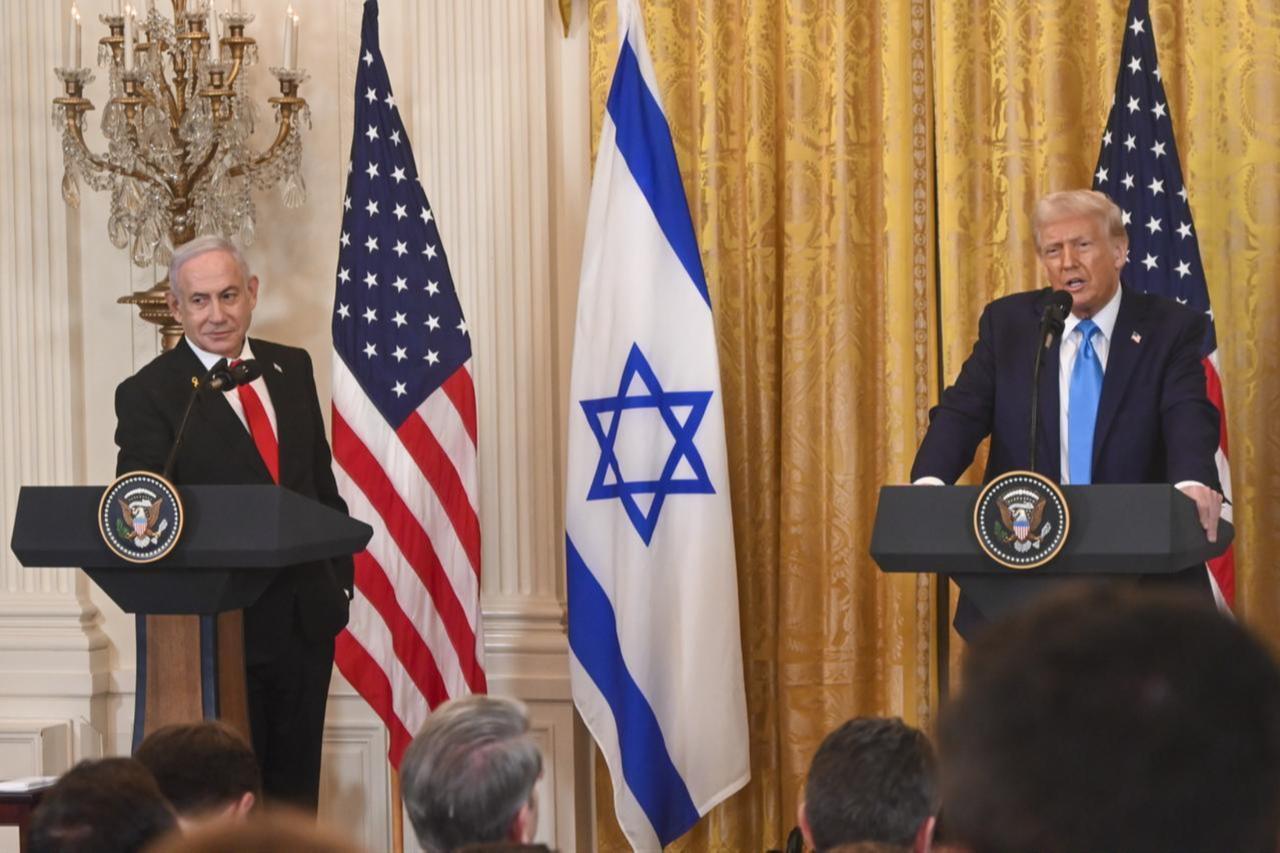
The immediate question is whether this is merely a temporary pause or a sign that Washington and Jerusalem are beginning to diverge over how to confront Iran.
Israel Had Prepared for a Multi-Day Offensive
According to the Financial Times, three people familiar with the plans said the Israel Defense Forces (IDF) had prepared for an operation lasting several days. The proposed targets included Iranian nuclear facilities, power plants and other civilian infrastructure, alongside locations associated with the Iranian regime.
The campaign was reportedly intended to be larger in scale than the US-Israeli military operation launched in February.
The preparations suggest that Israel was considering a substantial escalation rather than a limited, symbolic strike. However, military readiness does not necessarily mean an attack is inevitable, and the reported plans do not establish that every proposed target would have been struck.
The operation did not proceed as planned after Trump reportedly opposed renewed hostilities ahead of the American midterms.
The distinction matters: the reported decision represents a postponement of the planned offensive, not confirmation that Israel has abandoned its military objectives.
Why Is Trump Reluctant to Restart the War Before Midterms?
The timing of the proposed operation is central to understanding Washington’s reported position.
The US midterm elections, scheduled for November 3, will determine control of both chambers of Congress. The outcome will influence the administration’s ability to advance its domestic agenda and shape the remainder of Trump’s presidency.
A renewed war with Iran could create political and economic complications for the White House.
First, an escalation could push oil prices higher. Iran sits near the strategically important Strait of Hormuz, a major route for international oil and gas shipments. Any renewed fighting that threatens shipping or energy infrastructure could send shockwaves through global markets, potentially increasing fuel and transport costs.
Higher petrol prices would be particularly sensitive for American voters already concerned about household expenses. An administration hoping to demonstrate economic stability could find itself defending the consequences of a conflict that expands beyond its original objectives.
Second, a new offensive could create pressure for greater American military involvement. Even if Israel initiated the strikes, Washington could face demands to provide intelligence, defensive support or other assistance if Iran retaliated against Israel or US forces in the region.
Third, an extended confrontation could distract the administration from domestic priorities. Trump may therefore see delaying military action as a way to limit political and economic uncertainty before the election.
These are plausible strategic considerations, rather than proof of every factor behind his decision. The reported opposition and the precise calculations driving it should be distinguished from independently confirmed statements by the president.
Netanyahu’s Objectives: Why Keep Military Pressure on Iran?
For Netanyahu, Iran remains a central security concern. Israel has repeatedly argued that Tehran’s nuclear programme, missile capabilities and regional alliances pose serious threats to Israeli security.
A renewed campaign could aim to damage facilities connected to Iran’s nuclear activities, weaken military capabilities and increase pressure on the country’s leadership.
Netanyahu may also believe that delaying action would allow Iran additional time to restore damaged infrastructure or strengthen its defences. From this perspective, military pressure could be intended to prevent Tehran from rebuilding capabilities that Israel considers dangerous.
However, the effectiveness of another bombing campaign would depend on the targets struck, the damage inflicted, Iran’s ability to recover and the likelihood of further retaliation.
Military strikes can damage infrastructure, but they do not automatically eliminate the knowledge, political structures or strategic incentives that underpin a country’s nuclear and defence programmes.
There is also a wider political dimension. Netanyahu faces domestic political pressures of his own, with Israeli elections approaching on October 27. Security policy and perceptions of leadership can become particularly prominent during election periods, although the available reporting does not establish that electoral calculations alone explain his military plans.
The reported disagreement with Trump therefore reflects two overlapping considerations: Israel’s stated security objectives and the American administration’s concerns about the timing and consequences of renewed conflict.
Could Iran Become the Centre of a Wider Regional War?
A new Israeli offensive would carry risks beyond the immediate targets.
Iran could respond with missiles, drones or other military measures against Israel. Depending on the scale of the attacks and the decisions made by regional governments, the confrontation could also threaten US personnel and interests elsewhere in the Middle East.
Energy infrastructure and commercial shipping would be particularly important areas to watch. Any sustained disruption around the Strait of Hormuz could affect international oil supplies, increase freight costs and place additional pressure on economies that rely heavily on imported energy.
For countries across Asia, including India, higher oil prices could translate into more expensive imports, greater pressure on inflation and increased costs for businesses and households.
The humanitarian consequences could also be substantial. Strikes affecting power stations or other civilian infrastructure could disrupt electricity, water supplies and essential services. Civilian casualties and damage to homes and public facilities would increase the human cost of any renewed campaign.
At the same time, escalation is not inevitable. Military pressure can coexist with diplomatic efforts, and governments may seek to use the threat of force to influence negotiations rather than immediately launch another operation.
The central uncertainty is whether the pause creates room for diplomacy or simply postpones another round of fighting.
Is the US-Israel Partnership Facing a Test?
The reported episode does not necessarily indicate a fundamental breakdown in relations between Washington and Jerusalem. The two governments can share broad security objectives while disagreeing over the timing, scale and potential consequences of military operations.
Nevertheless, the decision illustrates an important reality: Israel’s ability to pursue its preferred strategy may be influenced by Washington’s assessment of the wider costs of conflict.
The United States has its own military commitments, economic interests and domestic political constraints. A regional war could create consequences that extend well beyond Israel and Iran, making the timing of any offensive a matter of international concern.
For Netanyahu, the challenge is to pursue Israeli security objectives while accounting for the position of a crucial ally. For Trump, the challenge is to balance support for Israel against the risk of a wider war and the economic and political consequences for the United States.
Whether these competing priorities can be reconciled remains uncertain.
What Happens Next?
For now, the most important distinction is between an operation that has reportedly been postponed and a conflict that has definitively ended.
The Financial Times report indicates that Israel had prepared for renewed strikes and that Trump opposed launching the campaign before the US midterms. It does not, by itself, establish when or whether the offensive might be revived.
Several developments will matter in the coming weeks: changes in Israeli military preparations, Washington’s public position on renewed hostilities, the condition of diplomatic channels and any further military movements or retaliatory threats.
A diplomatic breakthrough could reduce the immediate risk. Conversely, a breakdown in negotiations or a significant security incident could increase pressure for renewed military action.
The November 3 US midterms may influence the timing of decisions, but they will not necessarily resolve the underlying dispute between Israel and Iran.
Ultimately, the reported cancellation of the October 10 operation offers a glimpse into the difficult calculations behind decisions to wage war. Military readiness, national security concerns, alliance politics, energy markets and domestic elections can all shape the choices leaders make.
For the moment, Trump’s reported opposition appears to have helped prevent the planned offensive from proceeding on schedule. Whether that decision becomes an opening for diplomacy or simply a pause before another escalation remains the defining question for the region.

