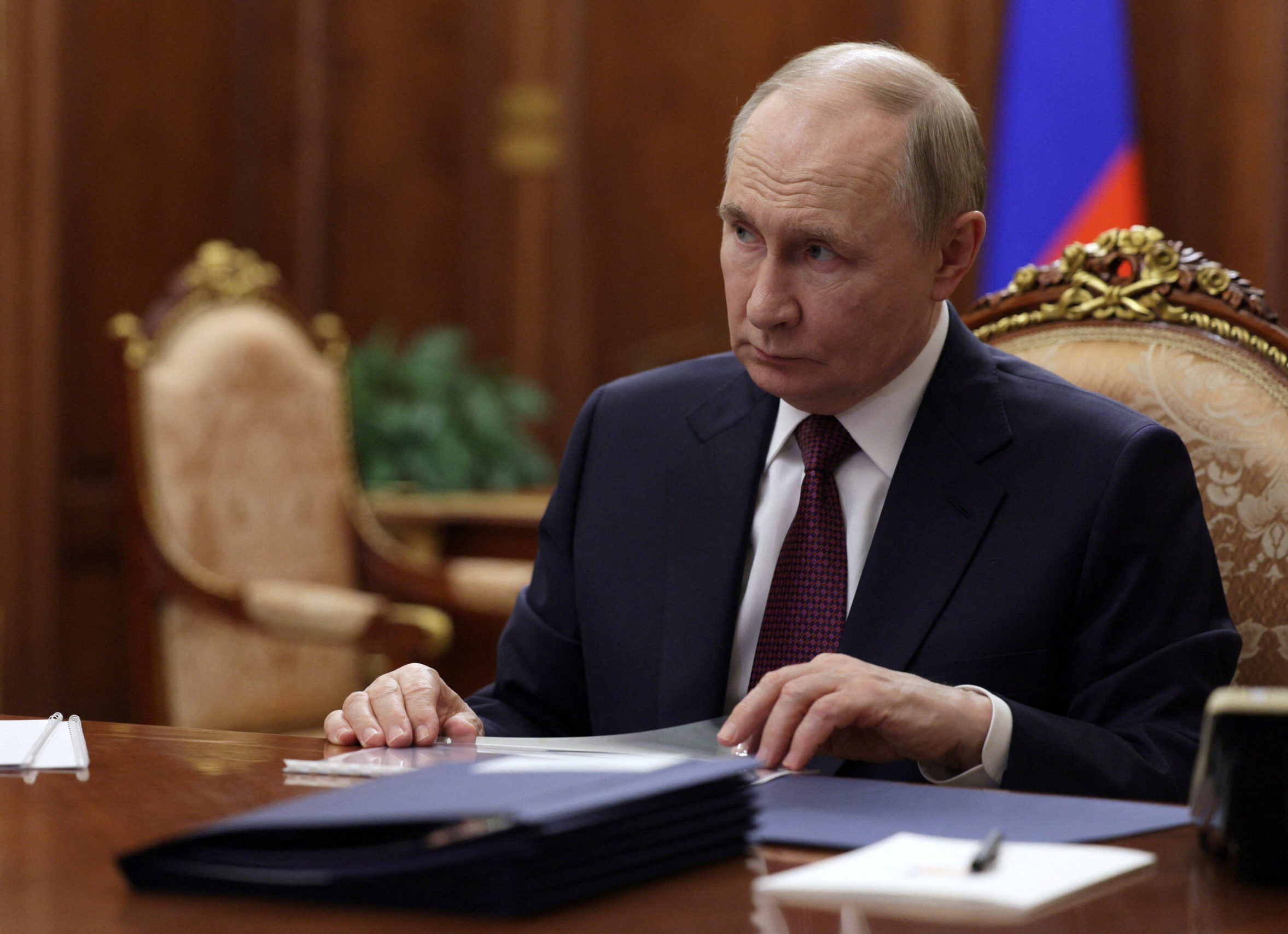
Putin Signals Readiness for Conflict with Europe Amid Ukraine War Escalation- Russian President Vladimir Putin has issued a fresh warning to European nations, declaring that Russia is prepared for a potential military confrontation if tensions between Moscow and Europe continue to escalate. However, he maintained that Russia has no desire to enter into a direct conflict, warning that a war between the two sides would have serious consequences and leave no clear victor.
Putin’s remarks come at a time when relations between Russia and European countries remain strained over the ongoing war in Ukraine, security concerns in the Baltic region and growing disagreements over Western support for Kyiv. His latest comments have raised further questions about the possibility of a broader confrontation between Russia and European powers.
The Russian president made the statements following telephone conversations with Finnish President Alexander Stubb and Norwegian Prime Minister Jonas Gahr Støre. Both leaders reportedly emphasised the importance of reducing tensions and preventing the situation from developing into a wider security crisis. Their diplomatic engagement reflects growing concerns among Nordic countries about regional stability and the potential consequences of further escalation.
Putin Warns Against Escalation in the Baltic Sea
Alongside his warning about a possible conflict with Europe, Putin raised concerns about attempts to restrict maritime navigation in the Baltic Sea. He cautioned that any move to limit shipping access could intensify tensions and potentially trigger a crisis similar to the one surrounding the Strait of Hormuz.
The Baltic Sea holds considerable strategic importance for Russia and several European nations. It serves as a major route for commercial shipping, energy transportation and regional trade. Any restrictions on maritime movement could therefore have significant economic and security implications.
Putin’s comparison with the Strait of Hormuz highlights Moscow’s concerns about the wider consequences of maritime restrictions. The strategic waterway in the Middle East is crucial to global energy supplies, and disruptions there can affect international markets and shipping costs.
The warning over the Baltic Sea adds another dimension to the growing tensions between Russia and Europe, particularly as European governments continue to strengthen their security arrangements and respond to Moscow’s actions in Ukraine.
Reeves Calls for Seizure of Frozen Russian Assets
Meanwhile, the debate over financial assistance to Ukraine has gained renewed attention after former UK Chancellor Rachel Reeves called on the European Union to consider seizing approximately £175 billion in frozen Russian assets to support Kyiv.
The proposal reflects growing pressure on European governments to identify sustainable sources of funding for Ukraine as the conflict continues. Using frozen Russian assets could provide Kyiv with substantial financial resources for military assistance, reconstruction and essential public services.
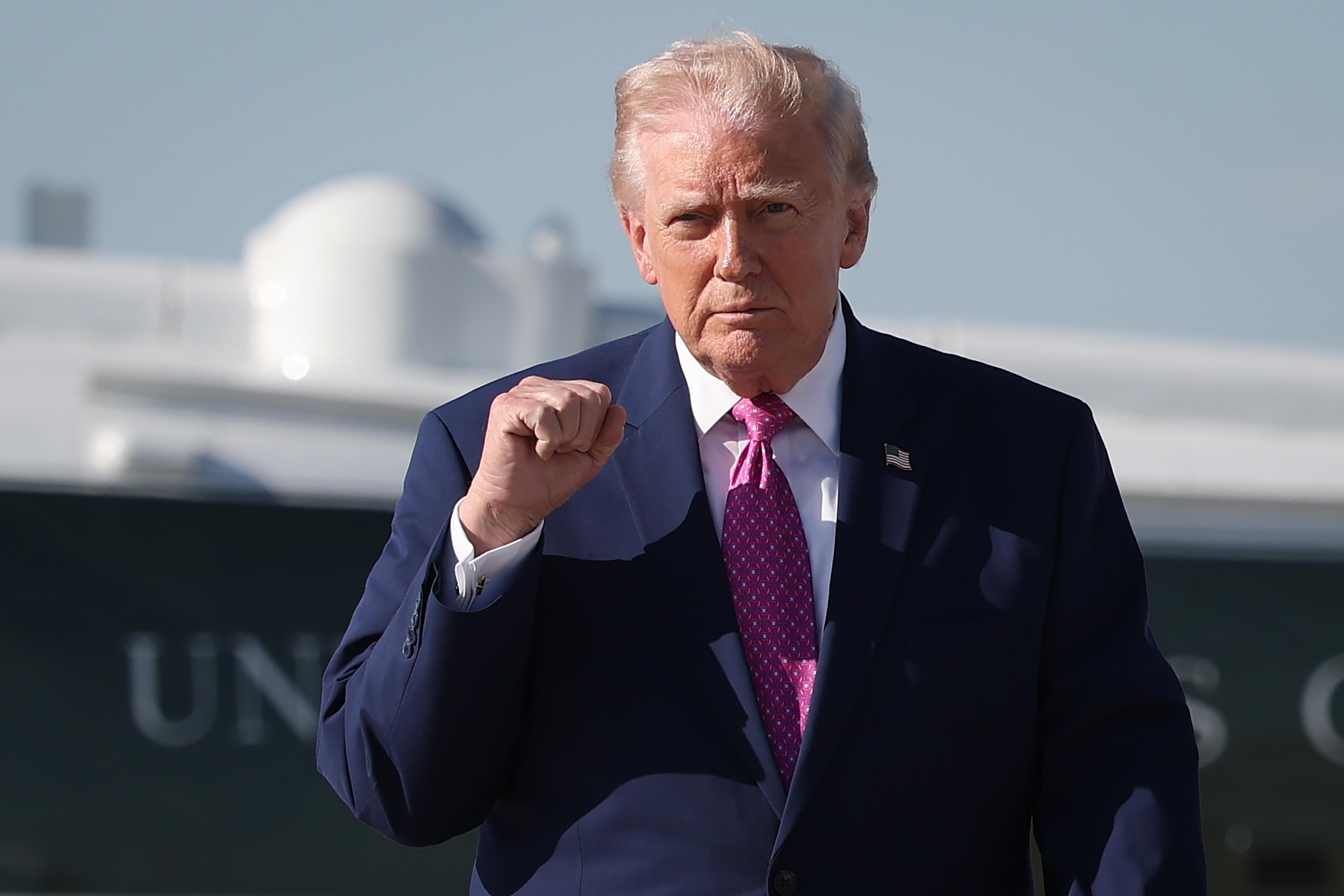
Reeves’ position also comes amid concerns about the possibility of US President Donald Trump attempting to negotiate an agreement with Moscow to end the war. European policymakers have expressed concerns about the terms of any potential settlement, particularly if an agreement is reached without sufficient consideration of Ukraine’s sovereignty and long-term security.
The issue of frozen Russian assets has remained a major point of discussion among Western governments. Following the invasion of Ukraine, several countries imposed financial sanctions on Moscow, resulting in the immobilisation of substantial Russian state assets.
However, turning those frozen funds into direct financial support for Ukraine involves complex legal, diplomatic and economic questions. European governments must consider international law, potential retaliation from Russia and the broader implications for the global financial system.
Supporters of the proposal argue that Russia should bear a significant part of the financial burden associated with the destruction caused by the war. Others remain cautious about the legal consequences of permanently confiscating sovereign assets.
Deadly Russian Drone Strike Reported in Dnipro
While diplomatic and political discussions continue, the humanitarian situation in Ukraine remains deeply concerning. Ukrainian President Volodymyr Zelenskyy reported that a Russian drone strike targeting passenger trains in Dnipro killed at least 13 people and injured another 10.
The reported attack has once again drawn attention to the dangers faced by civilians as the conflict continues to affect transport networks and other essential infrastructure.
Passenger trains are an important means of transportation for millions of Ukrainians, particularly as the country continues to deal with the consequences of the prolonged war. Attacks involving civilian transport infrastructure raise serious concerns about public safety and the protection of non-combatants.
The reported casualties have added to the mounting human cost of the conflict. Ukrainian authorities continue to face the challenge of protecting civilians while maintaining essential services amid repeated Russian attacks.
The strike in Dnipro underscores how the consequences of the war extend far beyond military positions, affecting ordinary people, public transportation and critical infrastructure.
Growing Concerns Over a Wider European Conflict
The latest developments highlight the increasingly complicated security situation surrounding the Russia-Ukraine war. Putin’s warning, concerns over Baltic Sea navigation, discussions about frozen Russian assets and the deadly attack reported in Dnipro all point towards a conflict with consequences extending well beyond Ukraine’s borders.
European governments face the difficult task of maintaining support for Kyiv while avoiding direct military confrontation with Moscow. At the same time, NATO members remain focused on regional security, military preparedness and cooperation in response to Russia’s actions.
The diplomatic discussions involving Finland and Norway are particularly significant given their geographical position and security interests in Northern Europe. Any deterioration in relations across the Baltic region could create additional challenges for European defence and international trade.
Meanwhile, the debate over frozen Russian assets demonstrates that Western countries are also exploring financial and economic measures to increase pressure on Moscow and strengthen Ukraine’s ability to withstand the conflict.
As the war continues, the central challenge for Europe will be to balance military preparedness, economic pressure and diplomatic engagement without allowing the crisis to develop into a direct confrontation with Russia.
Putin’s latest remarks serve as another reminder of the risks associated with escalating tensions. Although Moscow says it does not want a war with Europe, its warning that it is prepared for one has added fresh uncertainty to an already volatile geopolitical situation.