The Major Physical Features of the Earth: A Complete Guide for Students – Earth is a wonderfully diverse planet, filled with landscapes that range from soaring snow-covered mountains to vast blue oceans and deep valleys hidden beneath the surface. These natural features, known collectively as physical features or landforms, shape the planet and influence everything from climate and weather to where plants, animals, and humans can live. Understanding these features helps students appreciate Earth’s complexity and the forces that shape our world over millions of years.
This guide explores the major physical features of the Earth—how they form, what makes each unique, and why they matter.
1. Mountains: The Earth’s Rising Giants
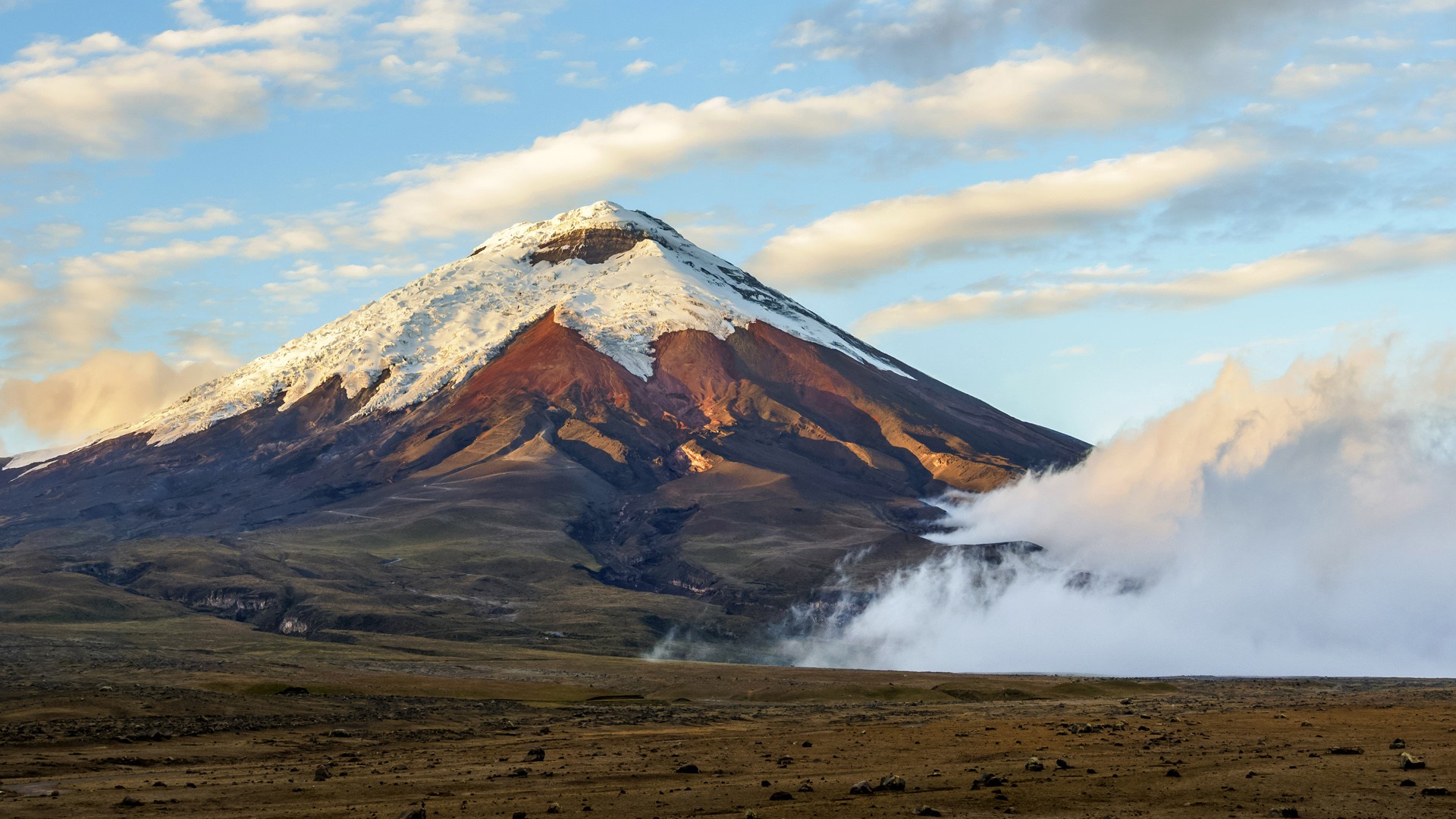
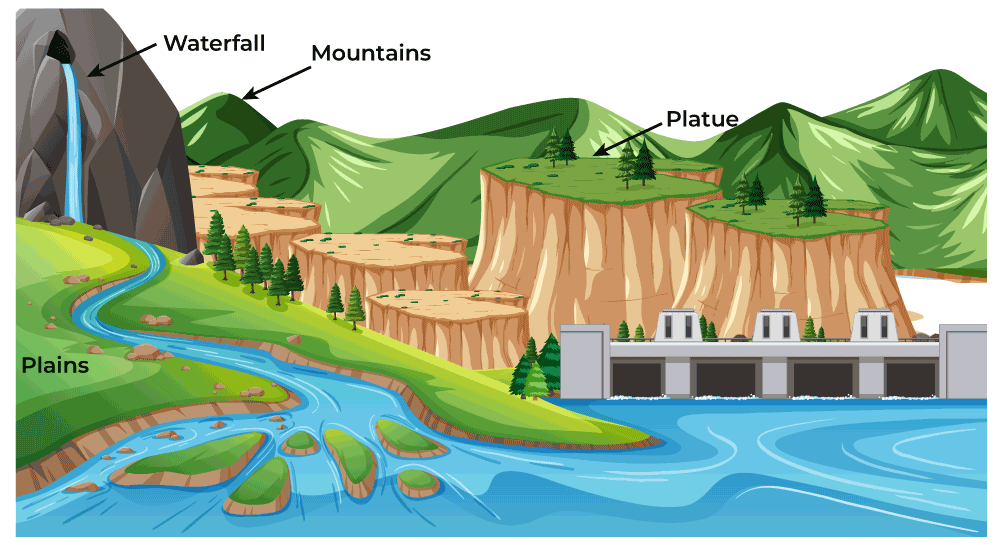
Mountains are some of the most dramatic and recognizable landforms. They are large landmasses that rise significantly above the surrounding terrain and are usually formed when tectonic plates—huge slabs of the Earth’s crust—collide or move apart.
How Mountains Form
-
Fold mountains (e.g., the Himalayas) form when tectonic plates push together, causing the crust to fold and rise.
-
Volcanic mountains (e.g., Mount Fuji) form when molten rock pushes upward from beneath the Earth’s surface.
-
Block mountains form when faults in the Earth’s crust force blocks of land to rise.
Why Mountains Matter
Mountains influence climate by blocking air currents and forcing moist air upward, creating rain and snowfall. They are home to unique ecosystems and act as sources of major rivers. Many human communities depend on mountains for fresh water, minerals, and tourism.
2. Plateaus: Elevated Flatlands
A plateau is a large, flat, elevated area of land. Unlike mountains, which have pointed or rugged peaks, plateaus appear like large tables rising above the land.
How Plateaus Form
-
Tectonic uplift, when large forces push a whole region upward.
-
Volcanic activity, when lava spreads across an area and solidifies.
-
Erosion, when surrounding land wears away, leaving higher ground behind.
Importance of Plateaus
Plateaus often contain rich mineral deposits such as gold, iron, and coal. Many are important agricultural regions, especially where river systems have cut fertile valleys. They also host grasslands and unique wildlife due to their high altitudes.
3. Plains: Wide and Fertile Land
Plains are large, flat, or gently rolling areas that stretch across continents. They lie at low elevations and often surround rivers, lakes, or coastal regions.
How Plains Form
-
River deposits: Over thousands of years, rivers carry sediments that settle along their banks, creating fertile floodplains.
-
Wind deposits: Wind-blown dust and sand can form flat desert plains.
-
Coastal plains: Formed along oceans where sediments accumulate.
Why Plains Are Valuable
Plains are crucial for human agriculture. Their fertile soils support farming and livestock grazing, making them some of the world’s most populated regions. Many major cities, such as those along the Ganges or Mississippi Plains, developed because these areas support transportation, trade, and food production.
4. Deserts: Lands of Extreme Conditions
Deserts are dry regions that receive very little rainfall—usually less than 25 centimeters per year. They can be hot, like the Sahara, or cold, like the Gobi.
Characteristics of Deserts
-
Sparse vegetation
-
Extreme temperature changes between day and night
-
Sand dunes, rocky plains, and bare soil
How Deserts Form
Deserts form due to:
-
High-pressure zones near the tropics
-
Rain shadow regions where mountains block moist air
-
Continental interiors far from oceans
Why Deserts Are Important
Despite harsh conditions, deserts support unique plants and animals adapted to survive with minimal water. They are rich in resources such as petroleum, natural gas, and valuable minerals. Deserts also shape global weather patterns and wind systems.
5. Valleys: Pathways Carved by Nature
A valley is a low area of land between hills or mountains, typically formed by rivers or glaciers.
Types of Valleys
-
V-shaped valleys: Formed by river erosion cutting through rock.
-
U-shaped valleys: Carved by glaciers dragging ice and debris across the land.
Importance of Valleys
Valleys often contain fertile soil, making them ideal for farming. River valleys have supported human life for thousands of years, with ancient civilizations like those in the Nile and Indus valleys depending heavily on these landscapes.
6. Rivers and Lakes: Freshwater Lifelines
Rivers and lakes are freshwater bodies that support life, shape landscapes, and sustain ecosystems.
Rivers
Rivers begin in mountains or hills and flow toward oceans, lakes, or other rivers. They erode rock, create valleys, and deposit rich soil along their banks.
Lakes
Lakes are inland bodies of standing water. They may form from:
-
Tectonic activity
-
Glacial melting
-
Volcanic craters
-
River blockages
Why Freshwater Features Matter
Freshwater systems provide drinking water, irrigation for agriculture, and habitats for countless species. Many cities and civilizations grew along rivers due to access to water, transport routes, and fertile land.
7. Oceans and Seas: Earth’s Water World
Oceans cover about 71% of Earth’s surface, making them the largest physical feature on the planet. Seas are smaller portions of oceans, often partially enclosed by land.
Major Oceans
-
Pacific Ocean
-
Atlantic Ocean
-
Indian Ocean
-
Southern Ocean
-
Arctic Ocean
Importance of Oceans
Oceans regulate Earth’s climate, absorb carbon dioxide, and produce more than half of the world’s oxygen through marine plants. They support vast ecosystems, provide food, enable global trade, and influence weather systems like monsoons and hurricanes.
8. Islands and Peninsulas: Landforms Surrounded by Water
Islands
Islands are landforms completely surrounded by water. They may form from volcanic activity, rising sea levels, or coral growth.
Peninsulas
A peninsula is a piece of land surrounded by water on three sides but connected to the mainland.
These landforms are significant for biodiversity, tourism, trade, and cultural diversity.
Conclusion: A Planet Shaped by Dynamic Forces
The Earth’s major physical features—mountains, valleys, plains, deserts, plateaus, rivers, and oceans—are shaped by natural forces such as plate tectonics, erosion, wind, and water movement. Together, they create the diverse landscapes that support life and make our planet unique.
Understanding these features helps students appreciate the dynamic nature of Earth and the interconnectedness of its climates, ecosystems, and human civilizations. From the highest mountains to the deepest oceans, every landform plays an essential role in the planet we call home.
Why Do Plants and Humans Both Have Ovaries—But Use Them Differently? | Maya