
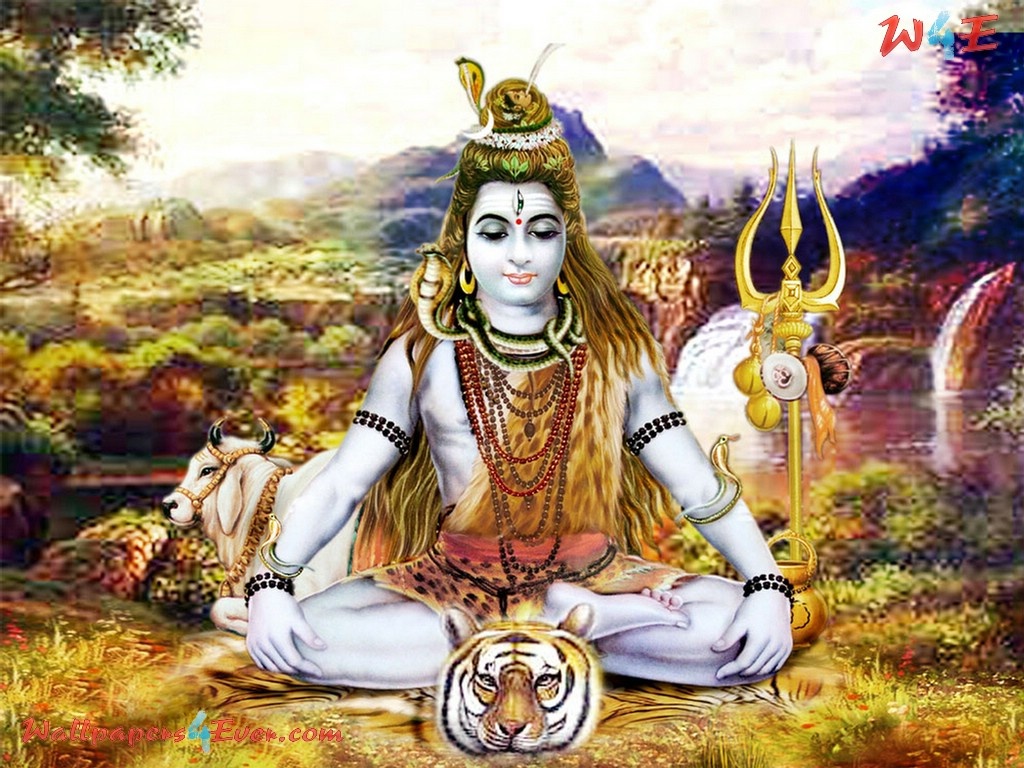
When Shiva Refused to Save the Devas- A Forgotten Lesson from the Vayu Purana
In most mythological stories, the pattern is familiar.
The Devas are in trouble.
The Asuras grow powerful.
And Shiva intervenes, often dramatically, restoring balance to the cosmos.
But the Vayu Purana preserves a far more unsettling and rarely discussed episode—one in which Shiva refuses to act.
No boon.
No weapon.
No intervention.
The gods plead.
The crisis deepens.
And Mahadeva remains silent.
This story is rarely retold because it challenges a comforting assumption: that divine grace is always immediate, and that righteousness automatically guarantees rescue.
The Crisis of the Gods
According to the Vayu Purana, a time comes when the Devas find themselves steadily losing power.
Their rituals continue.
Their sacrifices remain flawless.
Yet their authority weakens.
The Asuras, fueled not by chaos but by discipline and tapas, begin to rise.
What alarms the Devas is not just defeat—but confusion.
“We follow dharma. We uphold cosmic order. Why then are we losing?”
Unable to understand the shift, they do what they have always done.
They go to Shiva.
The Appeal to Mahadeva
The Devas approach Shiva with reverence and urgency.
They praise him as:
-
Destroyer of Adharma
-
Protector of cosmic balance
-
Refuge of the distressed
They ask him to:
-
Destroy the Asuras
-
Restore their lost powers
-
Reaffirm their rightful place in the heavens
The request is direct, almost routine.
After all, Shiva has intervened before.
Shiva Does Not Answer
But this time, something unexpected happens.
Shiva listens.
And then he says:
Nothing.
No command.
No refusal in words.
No promise of future action.
Just stillness.
The Devas assume this is contemplation.
They wait.
But Shiva remains unmoved.
The Question the Devas Never Asked
In the Vayu Purana’s Shaiva reading, Shiva’s silence is deliberate.
The Devas have asked for power, not understanding.
They have asked for restoration, not reflection.
They assume their authority is permanent.
Shiva finally speaks—not in anger, but in clarity:
“You ask me to save you from loss.
But have you asked why loss has come?”
The Devas are unsettled.
They have never considered this.
The Forgotten Role of Ego
Shiva reveals what the Devas cannot see.
Over time, their dharma has become mechanical.
-
Ritual without humility
-
Authority without gratitude
-
Privilege without responsibility
They perform sacrifices not as offering, but as entitlement.
In Shaiva philosophy, ego is not limited to Asuras.
Even gods can fall into it.
“You no longer serve the cosmos,” Shiva says.
“You expect the cosmos to serve you.”
Why Shiva Refuses to Act
The Devas ask again.
Shiva refuses again.
Not because he cannot help—but because help would prolong their blindness.
If Shiva intervenes now:
-
The Devas will regain power
-
Their ego will deepen
-
The cycle will repeat
The Vayu Purana emphasizes a difficult truth:
Grace that arrives too early becomes an obstacle.
The Turning Point
Left without divine intervention, the Devas are forced to confront themselves.
They lose territory.
They lose influence.
They lose certainty.
And in that loss, something rare happens.
They begin to question rather than demand.
They turn inward.
They perform tapas—not to gain weapons, but to understand their place in the cosmic order.
This is what Shiva was waiting for.
Shiva’s True Protection
Only when the Devas abandon entitlement does Shiva respond.
But not by destroying the Asuras.
Instead, he restores discernment (viveka).
He teaches them:
-
Power is temporary
-
Roles are cyclical
-
Dharma must be renewed constantly
Balance returns—not through annihilation, but through realignment.
The Asuras decline naturally, their purpose fulfilled.
The cosmos stabilizes without spectacle.
Why This Story Is Rarely Told
This episode is uncomfortable.
It suggests that:
-
Gods can be wrong
-
Prayer can be denied
-
Silence can be mercy
It does not offer dramatic victory, only quiet correction.
Such stories survive mostly in Purāṇic philosophical layers, not popular retellings.
The Deeper Shaiva Message
Shiva is not a rescuer on demand.
He is a transformer of awareness.
Sometimes, saving someone means not saving them—until they are ready.
The Vayu Purana frames Shiva not as an emotional deity, but as the guardian of cosmic maturity.
A Lesson for Our Time
This ancient story feels remarkably modern.
We often ask for:
-
Quick solutions
-
Immediate relief
-
External rescue
But Shiva’s refusal reminds us:
-
Not all suffering is punishment
-
Not all delay is denial
-
Some crises exist to refine us
The Next World Order: 20 Shifts That Will Redefine Our Future | Maya
Closing Reflection
When the Devas begged for rescue, Shiva gave them silence.
When they asked for power, he gave them perspective.
And when they finally surrendered entitlement, he restored balance.
Perhaps that is why Shiva is called Mahadeva—not because he always acts, but because he knows when not to.
Sometimes the most compassionate answer
is the one that forces us to grow.

/colognenewyearssilvesterGettyImages-1088903992ChanachaiPanichpattanakij-5fa1387f5819414487be6b6a25a2b0d9.jpg "Unraveling the Origins of the New Year")