Gods Who Chose Mortality- Across the tapestry of world mythology, there is a recurring, deeply moving theme: gods who willingly embrace mortality. These divine figures, often immortal by nature, choose to walk the human path, to experience suffering, death, and sacrifice. Their stories carry profound lessons about courage, love, and the inevitability of change. By accepting mortality, they bridge the gap between the divine and human experience, showing that even gods are not untouched by the realities of life. From the compassionate Krishna and Rama of India to Baldr of Norse myth, the self-sacrificing Quetzalcoatl of the Aztecs, and the death-and-resurrection Osiris of Egypt, these tales resonate across cultures with timeless emotional power.
The Divine Who Walks Among Us
Mortality is humanity’s universal bond. No one can escape it. Yet, for deities who are typically eternal, to embrace mortality is a radical act of empathy and love. It is an acknowledgment that the human experience—pain, loss, and death—is worth understanding intimately. These gods do not merely observe from afar; they live, struggle, and die as humans do, transforming their divine power into a deeply relatable lesson in courage and compassion.
Rama and Krishna: Accepting Human Death
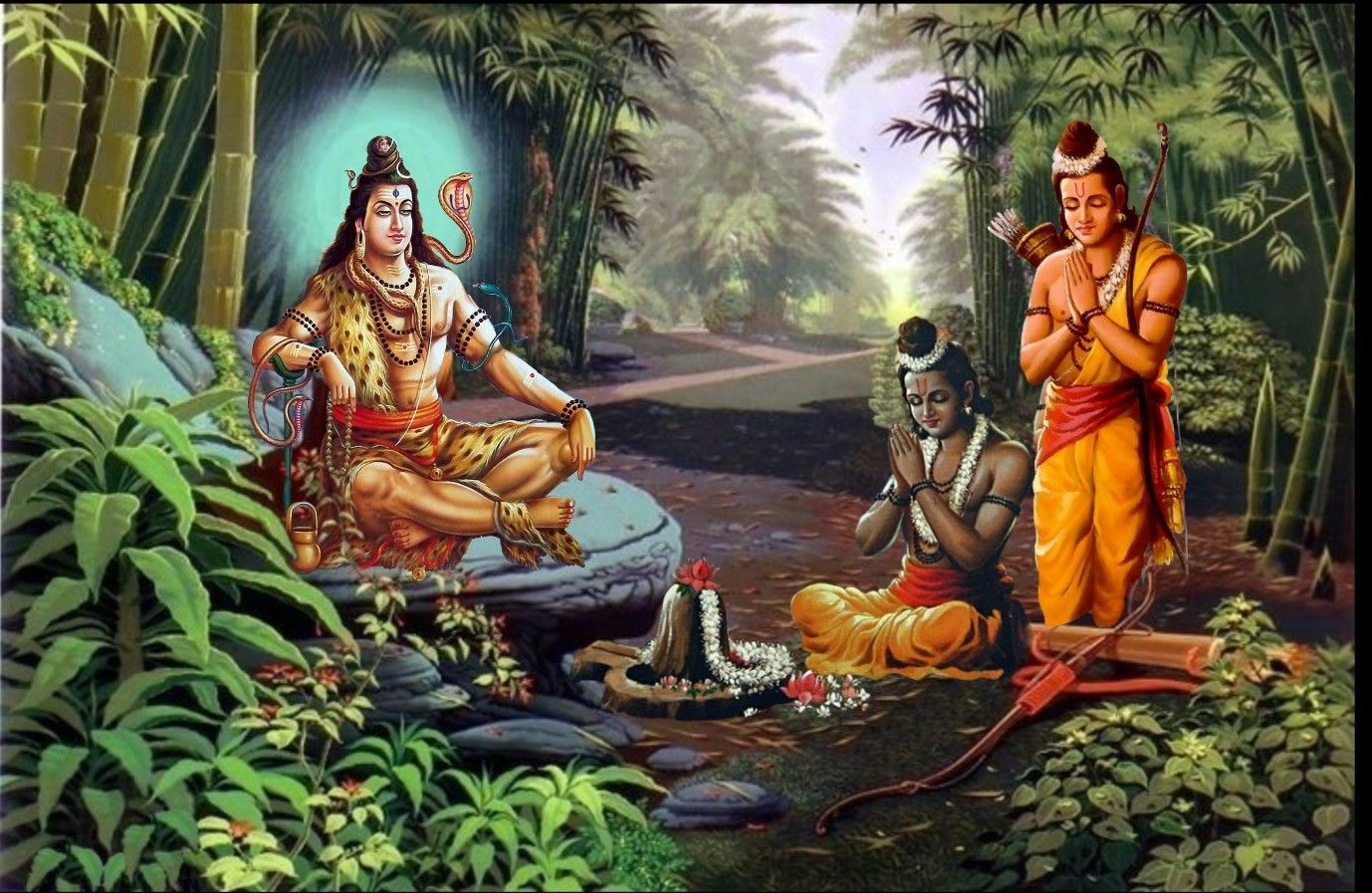
In Indian tradition, the epics Ramayana and Mahabharata present two of the most beloved avatars of Vishnu: Rama and Krishna. Both are divine, yet they choose to live among humans and ultimately accept human death.
Rama, the prince of Ayodhya, embodies dharma—righteousness and moral duty. Throughout his life, he faces exile, loss, and war, never forsaking his principles. At the end of his earthly journey, Rama returns to the divine realm, yet only after completing his mortal existence. His story teaches that even the divine respects the natural order of life and death.
Krishna, in contrast, is a figure of joy, play, and cosmic strategy. Yet, his life too ends in mortality: struck by an arrow, he departs from the earthly plane. His death is not a retreat from humanity but a culmination of his mission—to guide, protect, and teach. In both cases, these gods show that mortality is not a limitation but a profound opportunity for meaningful engagement with the world.
Baldr: Death as Cosmic Transformation
In Norse mythology, Baldr, the radiant god of light and purity, experiences death in a story that is both tragic and transformative. Loved by all the gods, his death—caused by the mistletoe, the one thing able to harm him—sets off a chain of events leading to Ragnarok, the apocalyptic rebirth of the cosmos.
Baldr’s choice—or acceptance—of death underscores the idea that mortality carries transformative power. Even divine beings cannot escape the laws of fate (wyrd). In his death, Baldr becomes a symbol of renewal and hope: through the end of one life, the cosmos itself is prepared for rebirth. His story reminds us that mortality is intertwined with the cycles of existence, and even in loss, there is profound purpose.
Quetzalcoatl: The God Who Sacrifices Himself
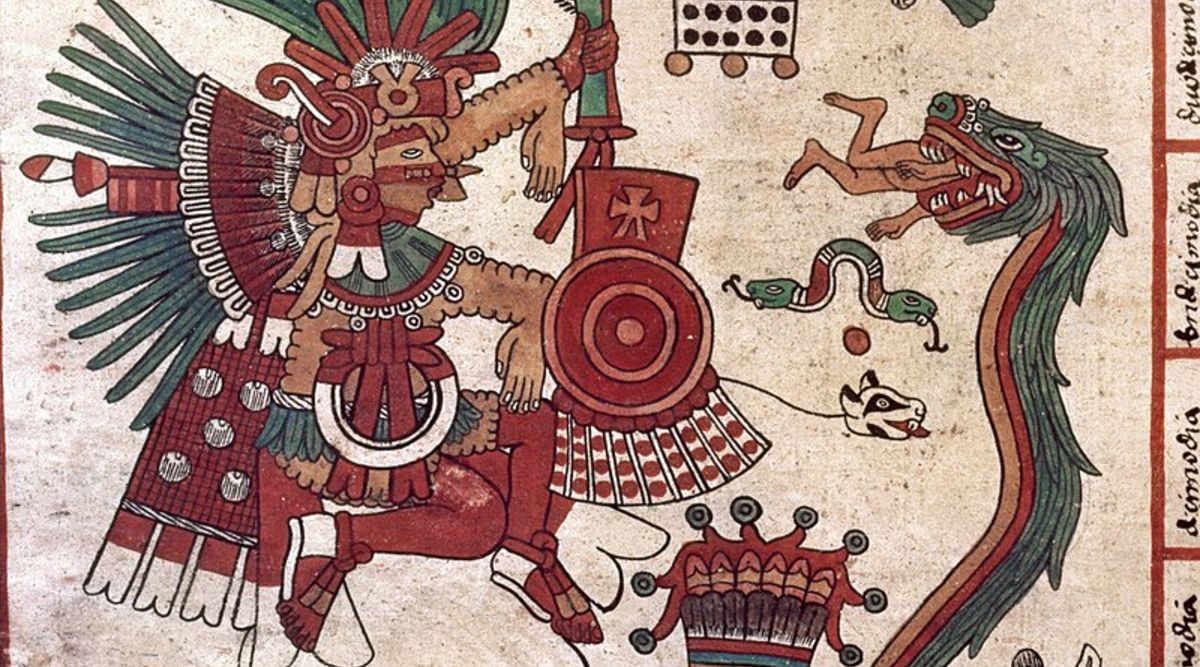
In Aztec mythology, Quetzalcoatl, the Feathered Serpent, represents wisdom, life, and culture. Yet he also chooses mortality through the act of self-sacrifice. Legends describe how he departs the earthly realm or even gives himself to death in order to ensure the survival and well-being of humanity.
Quetzalcoatl’s willingness to surrender his divine safety for the sake of others conveys one of the most powerful aspects of mortality: its potential for love and transformation. Death, in this context, is not merely an ending but an offering, a bridge to renewal and the continuation of life for those left behind. His story is a reminder that the ultimate act of courage may be to face mortality for the sake of others.
Osiris: Death and Resurrection
In Egyptian mythology, Osiris embodies the profound cycle of death and rebirth. Murdered by his brother Set, Osiris descends into the underworld, only to be resurrected as the lord of the afterlife. Through his mortality, he becomes a guide for humanity in navigating death, judgment, and renewal.
Osiris’ journey shows that mortality is not merely a personal experience but a transformative principle with cosmic implications. His death allows him to mediate between life and the afterlife, giving hope to humans that death is not an absolute end but a passage to renewal. In choosing mortality, Osiris exemplifies the idea that suffering and death can be transformative, both for oneself and for the world.
The Emotional Power of Mortal Gods
What draws humans to these stories is their emotional resonance. A god who experiences human suffering validates our own struggles. When Rama faces exile, Krishna faces betrayal, Baldr faces death, Quetzalcoatl sacrifices himself, or Osiris descends into the underworld, their stories evoke empathy and reflection.
Mortality is universal, but it is also deeply personal. By choosing mortality, gods enter that personal space, showing us that even the divine is not immune to loss, pain, or death. This connection makes the divine approachable, creating a bridge between the eternal and the ephemeral, between the cosmic and the personal.
Mortality as a Form of Love
One of the most compelling themes in these myths is the idea that choosing mortality is an act of love. Love, in its truest sense, involves vulnerability. When a god accepts the limitations and pains of human life, they step into vulnerability on our behalf. Krishna’s teachings, Rama’s adherence to dharma, Quetzalcoatl’s self-sacrifice, and Osiris’ descent all exemplify this truth: mortality is a path of compassion, empathy, and relational courage.
This emotional resonance is why these stories endure. They are not abstract theological concepts; they are narratives that touch the human heart, illustrating how the divine and mortal can meet in moments of sacrifice, loss, and renewal.
Lessons for Modern Life
Even today, the stories of gods who choose mortality carry relevance. They remind us to embrace the fleeting nature of life, to act with courage in the face of suffering, and to recognize the transformative potential of death and sacrifice. In a world that often fears mortality or treats it as a taboo, these myths offer a radical, liberating perspective: that mortality is sacred, meaningful, and deeply human.
From a personal standpoint, they invite reflection: How can we approach our own challenges with the courage of Rama or the selflessness of Quetzalcoatl? How can we see loss and death not merely as endings but as opportunities for transformation, like Baldr or Osiris? By contemplating these stories, we can find guidance, solace, and inspiration for navigating our own mortal lives.
Conclusion: Walking with Mortality
Gods who choose mortality teach us some of the deepest lessons about life, love, and existence. Through their stories, we learn that mortality is not weakness, but a path to courage, empathy, and cosmic understanding. Rama and Krishna show us the dignity in human death; Baldr reveals the transformative power of loss; Quetzalcoatl embodies self-sacrifice; and Osiris demonstrates resurrection and renewal.
These divine figures walk among us, not as distant, untouchable beings, but as companions in our mortal journey. Their willingness to face death, suffering, and limitation speaks to the profound interconnection between humanity and the divine. In embracing mortality, they illuminate a truth that words alone cannot capture: that life, in all its fleeting beauty and inevitable end, is sacred, meaningful, and worthy of love.
To engage with these stories is to walk alongside the gods themselves, learning to face our mortality with courage, compassion, and grace. And in doing so, we discover a deep, enduring wisdom: that life is not measured by its length, but by the depth of our engagement, the courage of our choices, and the love we bring to every fleeting moment.
Space Wars Are Coming: 10 Future Facts About Military Satellites and Orbital Weapons | Maya