Biohacking Facts That Will Redefine Human Life by 2030- The human body is no longer just something we live in — it’s a system we can enhance, optimize, and even redesign. By 2030, biohacking will move from fringe experimentation to mainstream practices, fundamentally changing what it means to be human. From genetic tweaks to brain-boosting devices, the next decade promises innovations that feel like science fiction but are rapidly becoming reality.
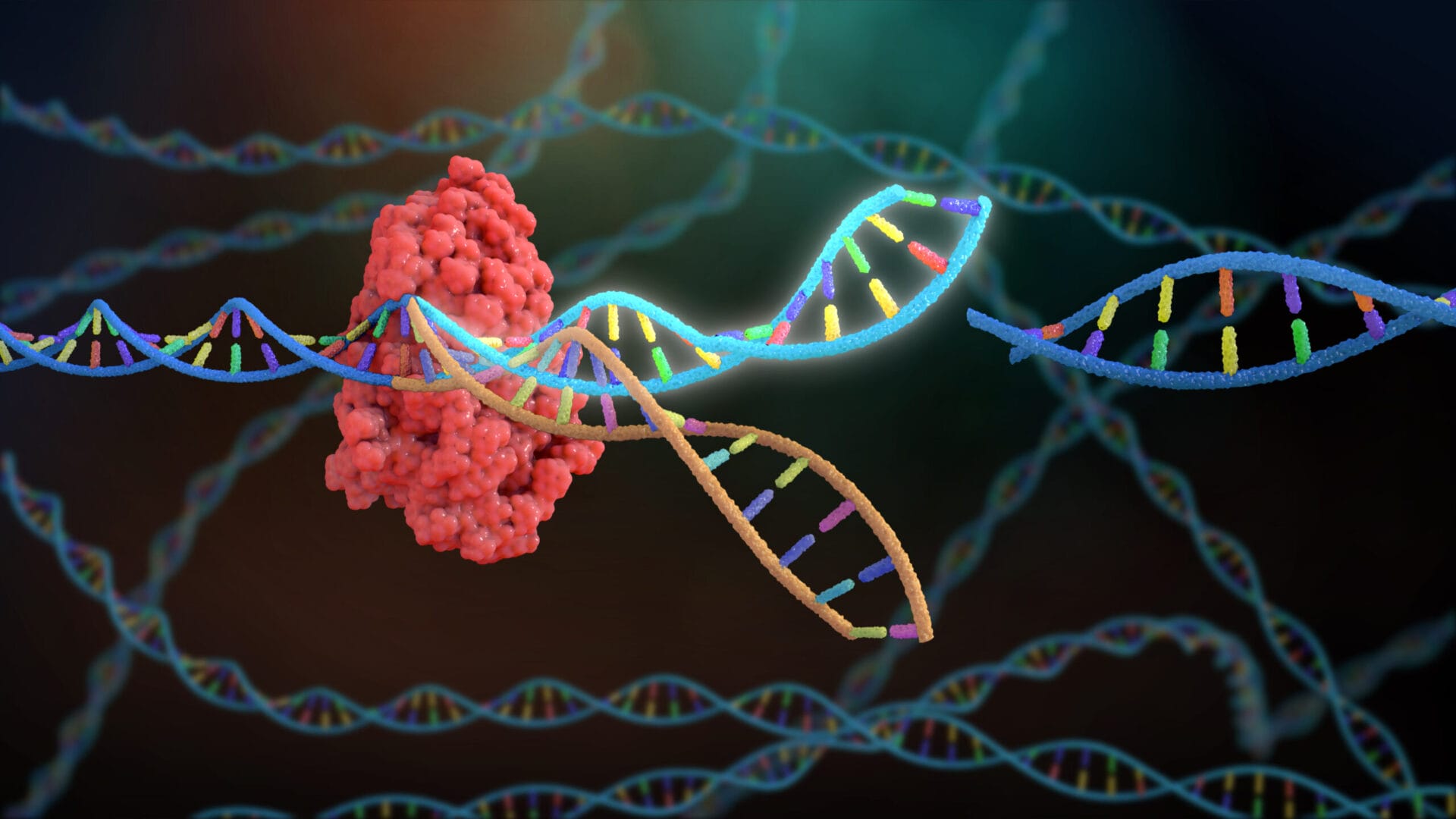
1. DNA Editing Could Prevent Hereditary Diseases
CRISPR and other gene-editing technologies are advancing at an unprecedented pace. By 2030, scientists expect that targeted DNA edits could prevent dozens of hereditary diseases, including certain cancers, muscular dystrophy, and genetic heart conditions. While ethical debates continue, early applications are already showing promise in clinical trials, paving the way for a future where your genetic blueprint isn’t fixed at birth.
2. Nootropics and Cognitive Enhancers Will Become Routine
Cognitive biohacking — using supplements, drugs, or digital tools to enhance brain function — is growing rapidly. By 2030, nootropics could be a standard part of daily routines for millions seeking improved memory, focus, or creativity. Market projections suggest that the global cognitive enhancement industry could reach over $10 billion, driven by rising demand for mental performance optimization in work, education, and personal life.
3. Wearable Devices Will Monitor and Optimize Your Body Constantly
Wearables will no longer just track steps or sleep. By 2030, devices could continuously monitor blood chemistry, hormone levels, hydration, and even micronutrient deficiencies. AI will analyze the data to provide personalized recommendations in real time, creating a feedback loop that keeps the body in peak condition. The wearable health device market alone is expected to more than double by 2030, reflecting widespread adoption of these biohacking tools.
4. Brain-Computer Interfaces Will Enhance Thought and Memory
Brain-computer interfaces (BCIs) are evolving from research labs into real-world applications. By 2030, it may be possible to store and retrieve memories digitally, enhance learning, or control devices using thought alone. Early trials already show that implants can restore partial mobility or help people communicate, and the technology is poised to expand into cognitive enhancement, making biohacking not just physical but mental.
5. Synthetic Biology Could Make Humans Part-Machine
Synthetic biology and biotechnology will allow humans to integrate engineered tissues, organs, and bio-devices into their bodies. From lab-grown organs for transplants to bioengineered skin that resists UV damage, by 2030, augmenting the body with synthetic parts could become a routine procedure, blurring the line between human and machine.
6. Longevity Hacks Will Extend Healthy Lifespan
Anti-aging research is accelerating. Caloric restriction mimetics, senolytic drugs, and genetic therapies could collectively extend healthy human lifespan by a decade or more by 2030. People may routinely use biohacking strategies to slow aging at the cellular level, redefining expectations for physical and cognitive performance in midlife and beyond.
7. Microbiome Optimization Will Redefine Health
Our gut bacteria influence mood, metabolism, and immunity. Biohackers are now designing personalized probiotics, diets, and supplements to optimize the microbiome. By 2030, microbiome interventions could prevent metabolic disorders, boost immunity, and even enhance mental health, making gut health one of the most important frontiers in human biohacking.
8. DIY Biohacking Will Become More Regulated but Accessible
The biohacking community — once an underground network of enthusiasts — is growing rapidly. By 2030, DIY biohacking labs will be more regulated, safer, and more accessible, allowing people to experiment with gene editing, supplements, and wearable devices legally and safely. The democratization of these tools will empower individuals to optimize health outside traditional medical systems.
9. Personalized Nutrition and Genetic Diets Will Be Mainstream
By analyzing genes, metabolism, and microbiomes, personalized nutrition plans will allow people to eat for optimal energy, longevity, and performance. Instead of one-size-fits-all diets, biohacking will make nutrition a precise, science-driven practice, supported by apps, wearables, and genetic testing kits.
10. Human Augmentation Could Become a Social Norm
By 2030, enhancements such as enhanced vision, strength, or cognitive performance may no longer be rare novelties but accepted forms of self-improvement. Biohacking could become as common as fitness or skincare routines, blurring ethical lines and creating new social expectations around human performance and capability.
Conclusion
Biohacking is no longer a fringe curiosity — it is rapidly becoming an integral part of human life. From genetic editing to wearable AI assistants, brain enhancements, and longevity strategies, by 2030, humans may routinely optimize physical, cognitive, and even emotional capacities. The future of biohacking promises a world where the boundaries of human potential are redefined, and what feels impossible today may become commonplace tomorrow.
Why Do Plants and Humans Both Have Ovaries—But Use Them Differently? | Maya