
Europe’s Hidden Art and Cultural Hotspots- When most people think of Europe’s art and culture, their minds go to Paris, Rome, or London. But the continent is packed with lesser-known cities, towns, and neighborhoods where creativity thrives in surprising ways. These hidden hotspots showcase art, music, festivals, and heritage that often fly under the radar—but for curious travelers, they offer some of the most authentic and inspiring cultural experiences. Here’s a journey to some of Europe’s lesser-known art and cultural gems.
1. Ghent, Belgium – A Medieval City with a Modern Twist
Ghent is a medieval city that balances history with a vibrant contemporary art scene. Its cobblestone streets, canals, and Gothic architecture create a perfect backdrop for museums, galleries, and street art.
The STAM Museum offers an immersive look at the city’s history, while smaller galleries showcase modern Belgian artists. Ghent is also home to the Gent Festival, an annual music and arts event that brings creativity to the streets. With fewer crowds than Brussels or Bruges, Ghent allows visitors to explore both its historic and contemporary culture at a relaxed pace.
2. Matera, Italy – The City of Stones and Stories
Italy’s Matera is famous for its ancient cave dwellings, the Sassi, which have been inhabited for thousands of years. Beyond its striking architecture, Matera is a growing hub for contemporary art, with galleries, art installations, and workshops popping up among the historic stone streets.
Visitors can explore underground churches, modern art spaces, and artisan workshops. Matera’s blend of ancient history and modern creativity makes it a must-visit for anyone seeking culture off the beaten path in Italy.
3. Plovdiv, Bulgaria – Europe’s Oldest Living City
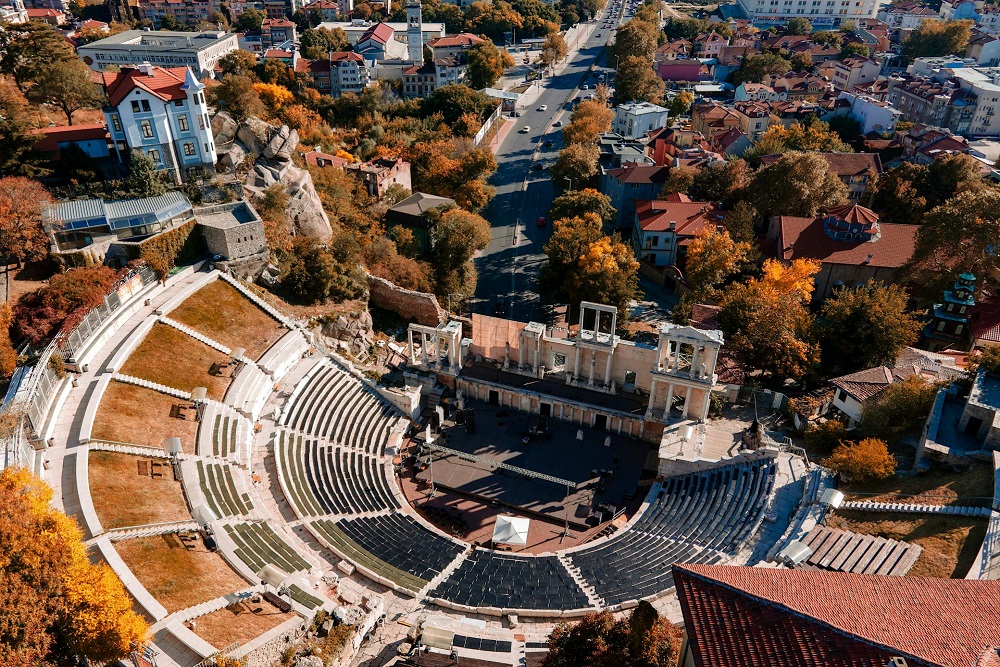
Plovdiv is one of Europe’s oldest cities, yet it remains surprisingly under-the-radar. The city’s Roman theater, Ottoman-era architecture, and cobblestone Old Town offer a fascinating glimpse into its long history.
Plovdiv also has a thriving arts scene, particularly in the Kapana district, known as the “Creative District.” Here, colorful murals, galleries, and cafés showcase contemporary Bulgarian art. Plovdiv’s festivals, including photography and music events, provide cultural experiences that rival bigger European cities—without the crowds.
4. Lille, France – Hidden Northern Gem
Often overlooked in favor of Paris, Lille is a northern French city rich in culture and art. Its historic center is a blend of Flemish and French architecture, with museums like Palais des Beaux-Arts, one of the country’s largest art collections outside Paris.
Lille also has a lively street art scene, vibrant markets, and a calendar full of cultural events, from music festivals to theatrical performances. Exploring Lille feels like discovering a city that has kept its charm and creativity intact while staying just off most tourist itineraries.
5. Coimbra, Portugal – A University Town with Soul
Coimbra is a historic Portuguese city known for its university, one of the oldest in Europe. The city’s cultural richness goes beyond academia—it’s filled with fado music, historic libraries, and art-filled churches.
The Biblioteca Joanina, a 17th-century library, is a masterpiece in itself, while the old streets echo with the melodies of traditional Coimbra fado, distinct from the Lisbon style. Coimbra’s combination of history, music, and artistic expression makes it a hidden gem for culture seekers.
6. Kraków’s Kazimierz District, Poland – Jewish Heritage and Creativity
Kraków is famous for its Main Square and Wawel Castle, but the Kazimierz district offers a different, lesser-known cultural experience. Once a vibrant Jewish quarter, it’s now a hub for contemporary art, music, and café culture.
Visitors can explore synagogues, street art, and galleries, or enjoy live jazz in intimate venues. The district also hosts cultural festivals celebrating film, music, and Jewish heritage. Kazimierz is a neighborhood where history, memory, and modern creativity intersect beautifully.
7. Ghardaïa, Algeria – A Unique Blend of Culture and Architecture
While technically in North Africa, Ghardaïa is a gem of cultural heritage with strong European ties in art and architecture through trade history. Its M’Zab Valley villages feature traditional architecture, local crafts, and cultural practices that are centuries old.
The community has preserved its identity through unique festivals, market traditions, and artisanal crafts. For travelers interested in cultural heritage beyond the mainstream European circuit, Ghardaïa offers an extraordinary experience where architecture, art, and daily life merge.
8. Sibiu, Romania – Cultural Capital in Transylvania
Sibiu is a Transylvanian city that rivals any European cultural hub in charm and creativity. Its historic squares, Gothic churches, and pastel-colored buildings host art galleries, museums, and theaters.
Sibiu’s International Theatre Festival and Jazz Festival bring global artists to this small city, making it a hotspot for culture lovers. Despite its vibrant arts scene, Sibiu remains far less crowded than other European destinations, giving visitors a sense of discovery and intimacy.
To sum it up
Europe’s hidden art and cultural hotspots offer a refreshing alternative to the continent’s well-trodden landmarks. Cities like Ghent, Plovdiv, and Matera allow travelers to immerse themselves in history while discovering contemporary creativity. Neighborhoods like Kraków’s Kazimierz or cities like Sibiu provide intimate, authentic cultural experiences that feel personal and memorable.
Exploring these lesser-known destinations means avoiding tourist crowds while connecting with living traditions, modern art, and unique festivals. These hidden gems reveal that Europe’s creativity and cultural richness extend far beyond its most famous museums and monuments—waiting for curious travelers to uncover them.
Whether it’s discovering street art, attending a local music festival, or wandering through centuries-old streets, Europe’s off-the-radar cultural hotspots prove that the continent still has surprises for those willing to look beyond the guidebooks.
Why Do Plants and Humans Both Have Ovaries—But Use Them Differently? | Maya


Сегодня сложно представить успешный бренд без качественного видео, а значит, стоит разобраться в том,
Какие примеры видеопрезентаций сейчас в тренде? Это способ за считанные секунды объяснить суть вашего предложения, который позволяет простым языком презентовать продукт.
Вот здесь можно почитать про виды и применение таких видео,:
По ссылке https://baw-rus.ru/
Это база, которую должен знать каждый маркетолог.