Which American States Have Surprising Cultural Connections? When we think about American culture, we often picture Broadway in New York, jazz in Louisiana, or Hollywood in California. Yet across the United States, there are surprising cultural connections that link states in unexpected ways. These connections can be found in cuisine, music, festivals, architecture, and even shared historical roots. Exploring these hidden threads reveals that America’s cultural landscape is more interconnected—and fascinating—than most travelers realize.
1. Louisiana and New Mexico – A Fiesta of Flavor and Tradition
At first glance, Louisiana and New Mexico seem worlds apart—one is bayous and jazz, the other deserts and adobe—but both states share a deep connection to Spanish and French colonial history.
In Louisiana, especially in New Orleans, Creole and Cajun traditions reflect French and Spanish influences, seen in food, music, and festivals like Mardi Gras. Similarly, New Mexico’s Santa Fe and Albuquerque celebrate Spanish colonial heritage through adobe architecture, traditional crafts, and vibrant fiestas.
Food is another shared link. Louisiana’s use of spices and New Mexico’s love of chiles may differ in flavor, but both reflect centuries of colonial fusion and Native American culinary traditions. Traveling to both states offers a taste of history and flavor shaped by centuries of cultural blending.
2. Pennsylvania and Maryland – Colonial Roots and Musical Traditions
Pennsylvania and Maryland share a rich colonial history, from early European settlements to the legacy of Quaker and German communities. Their historic towns, cobblestone streets, and old churches echo similar European influences.
Both states also contributed to early American music. Pennsylvania’s Pennsylvania Dutch traditions preserved folk songs and dances, while Maryland’s waterways nurtured African American musical forms that evolved into jazz, gospel, and blues. Despite their geographic differences, the states reveal interconnected histories of immigration, settlement, and cultural exchange.
3. Tennessee and New York – Music Across Borders
At first glance, Tennessee and New York might seem like opposites—Memphis and Nashville on one side, New York City on the other—but the two states share surprising musical ties.
Tennessee gave the world country, blues, and rock ’n’ roll, while New York nurtured jazz, hip-hop, and Broadway musicals. Many iconic musicians and composers migrated between these states, exchanging styles and influencing national trends. Traveling through Tennessee’s historic music halls and New York’s clubs offers a fascinating glimpse into how regional traditions can spark nationwide cultural movements.
4. Minnesota and Wisconsin – A Nordic Connection
Minnesota and Wisconsin are not only neighbors but also share a strong Nordic heritage. Scandinavian immigrants settled heavily in both states, shaping architecture, food, and festivals.
In Minnesota, towns like Lanesboro celebrate Swedish traditions, while Wisconsin hosts Norwegian heritage events and local lutefisk dinners. Beyond food, both states share a love for winter sports, folk music, and craftsmanship inspired by their Scandinavian roots. This connection demonstrates how immigrant communities helped shape Midwestern culture in enduring ways.
5. New Mexico and Arizona – Indigenous and Spanish Influences
The American Southwest is known for its rich Native American heritage, but New Mexico and Arizona share deeper cultural connections than many realize.
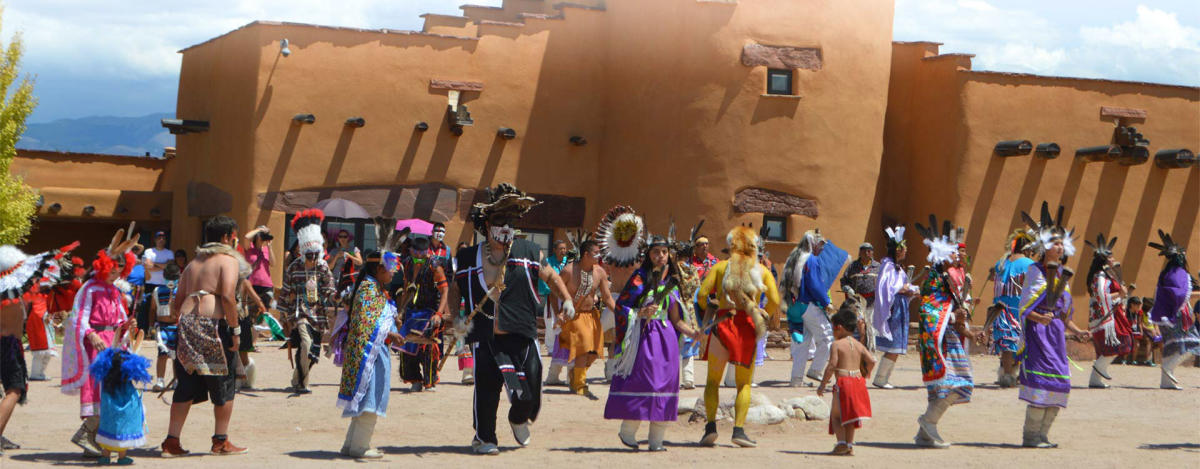
Both states boast pueblos, mission churches, and indigenous crafts that have been preserved for centuries. Their shared history of Spanish colonization and Native American communities has produced similar architectural styles, traditional dances, and festivals celebrating local saints and harvests. Visiting towns like Santa Fe or Tucson offers travelers insight into a cultural blend that transcends state borders.
6. Oregon and California – West Coast Artistic Threads
Oregon and California might be famous for their scenic landscapes, but they also share a vibrant history of artistic movements and countercultural expression.
From San Francisco’s Beat Generation and the Haight-Ashbury scene to Portland’s indie music, craft breweries, and art communities, both states fostered innovation in literature, visual arts, and music. Eco-conscious living, farm-to-table cuisine, and progressive festivals are part of this shared cultural identity, making a road trip between Oregon and California feel like following the threads of West Coast creativity.
7. Massachusetts and Virginia – Early American Heritage
Massachusetts and Virginia are often associated with different colonial powers—Massachusetts with the Puritans and Virginia with the English settlers—but both played critical roles in early American history.
Historic towns like Salem and Williamsburg offer living history experiences, from colonial architecture to reenactments. Both states celebrate traditional crafts, folk festivals, and maritime heritage, highlighting how different colonial origins still produced shared values and cultural practices that shaped the nation.
8. Hawaii and Louisiana – Fusion of Worlds
At first glance, Hawaii and Louisiana could not seem more different—one is tropical islands, the other swamplands—but both states have a unique blend of cultures, from indigenous roots to immigrant influences.
In Hawaii, Asian, Polynesian, and Western traditions blend in music, hula, luaus, and cuisine. Louisiana’s Creole and Cajun culture similarly fuses French, African, Spanish, and Native American influences. Both states demonstrate how geography, colonization, and immigration can create vibrant, hybrid cultures that define local identity and national fascination.
In Summary
The United States is often viewed through the lens of regional stereotypes, but exploring cultural connections across states reveals a more interconnected story. From the colonial echoes linking Pennsylvania and Maryland, to the musical ties between Tennessee and New York, to the Nordic heritage of Minnesota and Wisconsin, these surprising threads show that America’s cultural map is woven with shared histories, traditions, and innovations.
Traveling through these connected regions allows visitors to experience the country in a deeper, richer way—seeing not just individual states, but networks of culture that span decades, centuries, and sometimes the entire nation. These hidden links prove that America’s story isn’t just about isolated regions; it’s about the fascinating ways diverse communities influence one another, leaving traces of culture wherever they go.
Top 10 Largest Rivers in the World: Length, Location & Fascinating Facts | Maya