Do Canada and the USA Share Similar Cultural Traditions? Canada and the United States are often seen as neighbors defined by geography, but their cultural landscapes also reveal striking similarities. Despite differences in history, governance, and demographics, both countries share traditions that cross the border—from holidays and food customs to music, festivals, and regional practices. Exploring these shared cultural threads highlights how proximity, migration, and historical ties have shaped complementary, yet distinct, ways of life.
Shared Holidays and Celebrations
One of the most obvious areas of overlap is holidays. Both countries celebrate Christmas, Thanksgiving, and Halloween, but with regional twists:
-
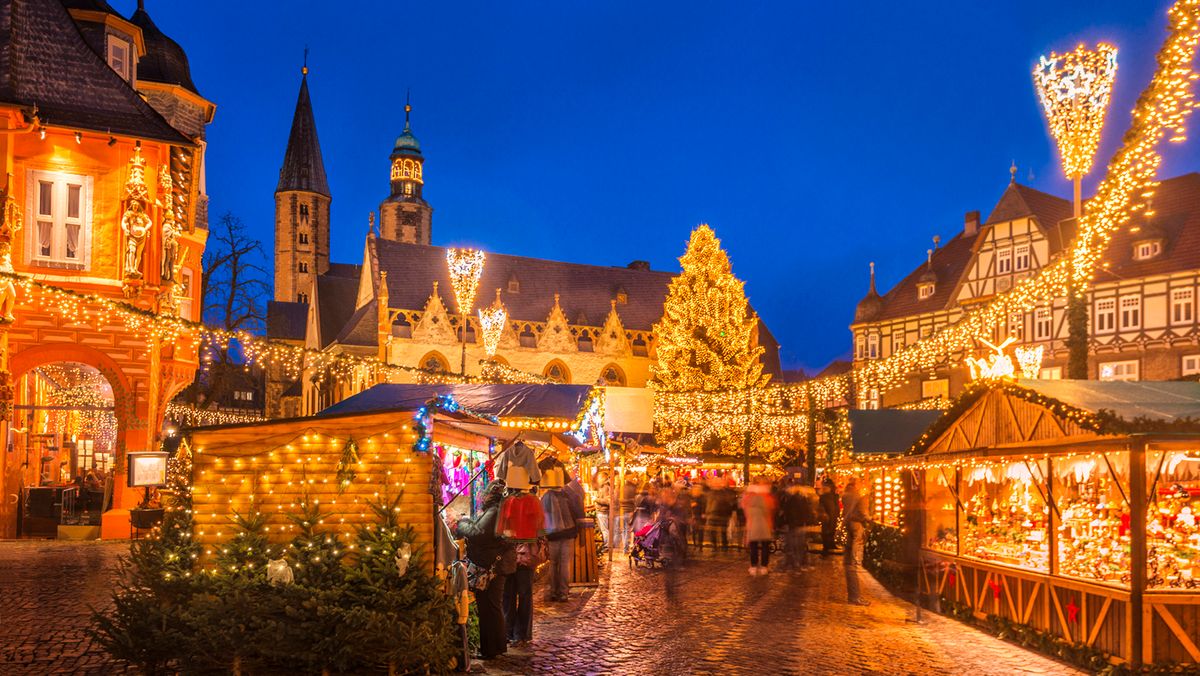
Christmas: In both nations, homes are adorned with lights, decorated trees, and festive displays. Communities organize markets, parades, and holiday concerts. While the USA emphasizes Black Friday shopping traditions, Canada often includes uniquely local customs like Canadian Christmas parades in cities like Toronto and Vancouver.
-
Thanksgiving: The USA celebrates Thanksgiving on the fourth Thursday of November, while Canada observes it on the second Monday of October. Despite the date difference, both holidays emphasize family gatherings, turkey dinners, and reflections on gratitude—highlighting shared colonial and agricultural roots.
-
Halloween: Across both countries, children dress in costumes, go trick-or-treating, and communities decorate homes. Haunted houses, pumpkin patches, and themed events are common in both nations, illustrating how popular culture travels across the border seamlessly.
Culinary Connections
Food is another area where Canada and the USA share traditions, yet regional flavors give each country a unique identity.
-
Barbecue and Grill Culture: Southern-style barbecue in the U.S. mirrors Canadian backyard grilling traditions, especially during summer holidays like the Fourth of July in the U.S. or Canada Day. Both cultures emphasize community gatherings, seasonal produce, and slow-cooked meats.
-
Maple and Sweet Traditions: Canada’s famous maple syrup has parallels with American regional sweeteners and fall traditions, such as pumpkin spice desserts in the U.S. Both countries celebrate harvest flavors, pies, and baked goods that reflect autumnal abundance.
-
Street Food and Fast Casual Dining: Hot dogs, burgers, poutine, and fried chicken are popular in both countries, showing how shared urban and suburban eating habits reflect broader North American tastes.
Music, Dance, and Performance Traditions
Music is a powerful cultural thread connecting the two nations.
-
Country, Folk, and Blues: Country music originated in the southern United States, but its influence extends into southern Canada. Similarly, folk and blues traditions overlap across border regions, with festivals in Ontario, Quebec, and Manitoba celebrating styles reminiscent of American roots music.
-
Jazz and Rock Influences: Jazz, rock ’n’ roll, and hip-hop—originally American movements—have thriving Canadian scenes. Cities like Montreal and Toronto host jazz festivals, hip-hop events, and live music venues that echo the vibrant U.S. music landscape.
-
Dance and Performance: Shared traditions include square dancing, community theater, and folk dancing events. Canadian fiddling competitions and U.S. county fairs both celebrate music and dance rooted in rural and immigrant communities.
Sports and Recreational Traditions
Sports culture also shows surprising similarities, though with some regional distinctions:
-
Ice Hockey: Hockey is more dominant in Canada, but the NHL spans both countries, creating shared fan culture. Cities like Boston, Chicago, Toronto, and Montreal share rivalries that transcend borders.
-
Baseball and Football: Baseball has deep roots in both nations, with leagues, minor teams, and college competitions cultivating similar traditions. Football, while more U.S.-centric, has Canadian variants like the CFL that show shared interest in team sports and stadium culture.
-
Outdoor Recreation: Camping, fishing, hiking, and snow sports are widely enjoyed in both countries. Cross-border similarities in national parks and recreational areas highlight a shared appreciation for nature.
Festivals and Community Traditions
Both Canada and the USA celebrate local and regional festivals that reflect agricultural, cultural, and historical roots:
-
State and Provincial Fairs: Country fairs in Iowa or Wisconsin resemble agricultural exhibitions in Alberta or Ontario, featuring livestock shows, craft booths, and food competitions.
-
Multicultural Festivals: Both nations host multicultural celebrations reflecting immigration history, such as Caribbean carnivals in Toronto or Mardi Gras in New Orleans. These festivals celebrate community, heritage, and artistic expression.
-
Music Festivals: From jazz and folk to rock and electronic music, Canada and the USA host festivals drawing international artists. Lollapalooza in Chicago and Osheaga in Montreal illustrate a shared cultural enthusiasm for large-scale music events.
Historical and Indigenous Connections
While both countries have distinct colonial histories, they share overlapping cultural roots:
-
European Colonization: French, British, and Spanish colonization influenced governance, language, religion, and architecture in both nations. Quebec’s French heritage parallels Louisiana’s Creole culture, showing shared colonial influences with regional adaptations.
-
Indigenous Traditions: Many Native American and First Nations practices cross the U.S.-Canada border, from powwows to storytelling, weaving, and craft traditions. These connections highlight continuity of indigenous culture across national boundaries despite historical disruptions.
Language and Media Influence
Media and language also bridge cultural traditions:
-
English is predominant in both countries, while French connects Quebec and parts of Louisiana. Television shows, movies, and streaming content circulate widely across the border, influencing pop culture, humor, and entertainment traditions in both nations.
Final Words
Canada and the USA, while distinct in politics, geography, and identity, share a surprising number of cultural traditions. Holidays, food, music, sports, festivals, and even indigenous practices reveal interconnected histories shaped by colonization, migration, and proximity.
These shared traditions create a cultural continuum that transcends borders, highlighting both common experiences and regional uniqueness. Traveling across North America offers a chance to see this in action—whether attending a harvest festival, listening to folk music, enjoying outdoor sports, or tasting similar seasonal dishes.
Ultimately, understanding these cultural overlaps enriches our appreciation of both nations, showing that despite their differences, Canada and the USA share a deeply intertwined North American heritage.