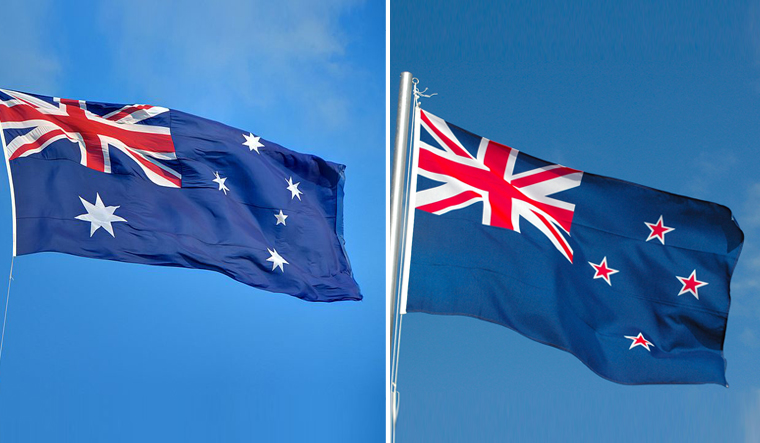
Do Australia and New Zealand Celebrate Similar Festivals? Australia and New Zealand are geographically close and share historical ties, yet each country has cultivated its own unique identity. Despite this, a closer look at their cultural calendars reveals that both nations celebrate festivals in surprisingly similar ways. From seasonal events and music gatherings to food and indigenous traditions, Australia and New Zealand show how neighboring countries can develop parallel celebrations that reflect shared heritage, climate, and community values.
National Holidays and Civic Celebrations
Some of the most apparent similarities are national holidays and civic celebrations:
-
ANZAC Day: Perhaps the most iconic shared festival, ANZAC Day honors soldiers who fought in World War I. Both countries hold dawn services, parades, and remembrance ceremonies across cities and towns. While each nation has unique local elements, the core purpose—a tribute to bravery and national identity—remains the same.
-
Australia Day and Waitangi Day: While Australia Day (January 26) celebrates national history and culture, New Zealand’s Waitangi Day (February 6) marks the signing of the Treaty of Waitangi. Both holidays include public celebrations, parades, and community events, reflecting civic pride and historical awareness.
Music and Arts Festivals
Music and arts are central to cultural life in both countries, with numerous festivals celebrating creativity:
-
Outdoor Music Festivals: Australia’s Splendour in the Grass and New Zealand’s Rhythm & Vines attract local and international artists, highlighting indie, rock, and electronic music. Both countries embrace outdoor summer festivals that encourage community participation, camping, and celebration of youth culture.
-
Film and Arts Events: Film festivals like Australia’s Sydney Film Festival and New Zealand’s Auckland Arts Festival showcase cinematic and artistic talents, often featuring indigenous and multicultural works. These festivals highlight creative expression as a shared cultural value.
Food and Wine Celebrations
Both countries have embraced gastronomic festivals, reflecting their agricultural richness and love of communal dining:
-
Wine Festivals: Australia’s Barossa Valley Wine Festival and New Zealand’s Marlborough Wine & Food Festival celebrate local vineyards, regional cuisine, and culinary artistry. Both festivals emphasize tasting, pairing, and showcasing the best of local produce.
-
Seafood and Food Fairs: Coastal communities in Australia and New Zealand hold seafood festivals, featuring oysters, mussels, and fish prepared in traditional and modern styles. The festivals are lively, community-oriented, and often paired with music and local arts.
Seasonal and Outdoor Events
The Southern Hemisphere’s climate influences festival timing, leading to similar seasonal celebrations:
-
Summer Festivals: Both nations host summer music, beach, and cultural events that encourage outdoor activity and tourism. For example, New Zealand’s World of WearableArt and Australia’s Vivid Sydney combine creativity with public engagement.
-
Winter Celebrations: Ski resorts in both countries host winter festivals, including snow sports competitions, light displays, and winter-themed markets, reflecting shared outdoor recreation culture.
Indigenous and Cultural Heritage Festivals
Both Australia and New Zealand honor indigenous cultures through festivals that celebrate history, art, and identity:
-
Australia: NAIDOC Week celebrates Aboriginal and Torres Strait Islander culture with art, dance, and storytelling.
-
New Zealand: Matariki, the Māori New Year, is marked by festivals, performances, and community gatherings that celebrate Māori traditions, the harvest, and the stars.
-
Shared Principles: Both countries use these festivals to promote cultural education, preserve traditions, and celebrate indigenous contributions to national identity.
Street Parades and Community Gatherings
Parades and street festivals are common in both countries, often linked to seasonal or cultural events:
-
Laneway and Urban Festivals: Australia’s Melbourne International Arts Festival and New Zealand’s Auckland Lantern Festival transform city streets into hubs of music, art, and performance.
-
Community Celebrations: Smaller town fairs, farmers’ markets, and local cultural events emphasize community bonding, arts, and local traditions. Both countries prioritize participation and inclusivity.
Sports and Recreational Festivals
Sporting culture also influences festival life:
-
Cricket, Rugby, and Multi-Sport Events: Australia and New Zealand host sports-themed festivals and fan events, such as cricket carnival days or rugby fan zones, where music, food, and entertainment complement the sporting action.
-
Adventure and Outdoor Festivals: Both nations host hiking, sailing, and extreme sports events that celebrate their natural landscapes while fostering community participation.
Conclusion
Australia and New Zealand, while distinct in national identity and cultural expression, share surprising similarities in how they celebrate festivals. Seasonal events, music and arts gatherings, culinary celebrations, indigenous heritage festivals, and community parades reveal a parallel approach to celebrating life, community, and culture.
Experiencing these festivals allows travelers to appreciate the unique character of each country while noticing shared traditions that stem from geography, climate, and historical ties. Whether attending ANZAC Day ceremonies, dancing at summer music festivals, or tasting local wines, visitors can see how Australia and New Zealand celebrate culture in ways that are both distinct and remarkably aligned.