What Does Iran Mean by “Total War” With the West?
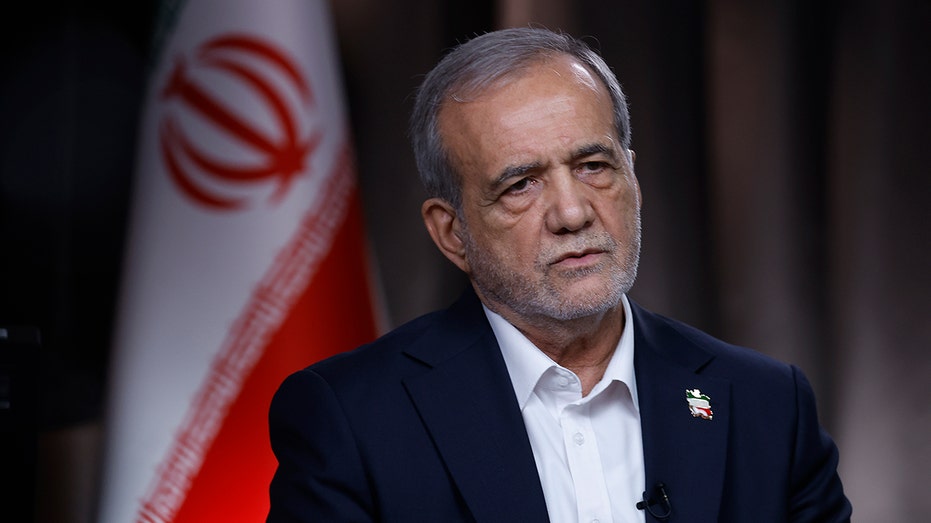
When Iranian President Masoud Pezeshkian declared that Iran is engaged in a “total war” with the United States, Israel, and Europe, the phrase immediately raised alarms beyond the region. The term evokes images of full-scale military conflict, but in Tehran’s political language, “total war” refers to something broader, more complex, and largely below the threshold of conventional warfare.
At its core, Iran’s use of the phrase signals a belief that it is under sustained, multidimensional pressure from Western powers—military, economic, political, cultural, and psychological. According to Pezeshkian, the West’s objective is not merely to curb Iran’s nuclear program, but to weaken the Islamic Republic internally and force it into submission.
More Than a Battlefield
Iranian leaders argue that the conflict is not limited to bombs or missiles. Instead, they frame it as a comprehensive campaign that includes sanctions, diplomatic isolation, information warfare, and covert operations. From Tehran’s perspective, U.S. and European sanctions restricting oil exports, banking access, and international trade are as damaging as military strikes. These measures have strained Iran’s economy, fueled inflation, and complicated everyday life for ordinary citizens.
Pezeshkian emphasized this internal dimension, noting that Iran is “besieged from every aspect,” with pressure mounting even as public expectations for economic relief and social stability rise. In this sense, “total war” is as much about domestic resilience as it is about external threats.
The Nuclear Flashpoint
The backdrop to this rhetoric is Iran’s nuclear program, which remains the central fault line between Tehran and the West. The United States and Israel accuse Iran of seeking a nuclear weapon, a claim Tehran denies, insisting its enrichment activities are for civilian energy and research purposes. Following U.S.- and Israel-led attacks on Iran’s nuclear facilities in June, Iranian leaders hardened their tone, portraying the strikes as proof that the West is willing to use force to contain Iran’s technological and strategic ambitions.
President Donald Trump has reiterated his commitment to preventing Iran from acquiring a nuclear weapon and is scheduled to meet Israeli Prime Minister Benjamin Netanyahu, underscoring the close U.S.-Israel alignment on the issue. For Iran, this coordination reinforces the narrative of an organized Western front intent on undermining its sovereignty.
Allies and the “Axis of Resistance”
Iran is not alone in what it calls this confrontation. Over the past two decades, Tehran has cultivated a network of regional allies and partners often described as the “Axis of Resistance.” This includes Hezbollah in Lebanon, various armed groups in Iraq and Syria, the Houthi movement in Yemen, and Palestinian factions such as Hamas and Islamic Jihad. Iran also maintains close ties with the Syrian government, which has relied heavily on Iranian support during its civil war.
Beyond the Middle East, Iran has strengthened relations with major global powers that are themselves at odds with the West. Russia and China are Iran’s most significant international partners. Moscow and Tehran have expanded military and economic cooperation, while Beijing remains a critical buyer of Iranian oil and a diplomatic counterweight to U.S. pressure. Though neither Russia nor China is formally allied with Iran in a military sense, both benefit from challenging Western dominance and resisting U.S.-led sanctions regimes.
Why Use the Term “Total War”?
Domestically, the language serves to rally the Iranian public and legitimize calls for unity and sacrifice. By framing economic hardship and political tension as the result of an external siege, Iranian leaders shift blame away from internal mismanagement and toward foreign adversaries. It also helps justify increased security measures and continued investment in defense and missile capabilities.
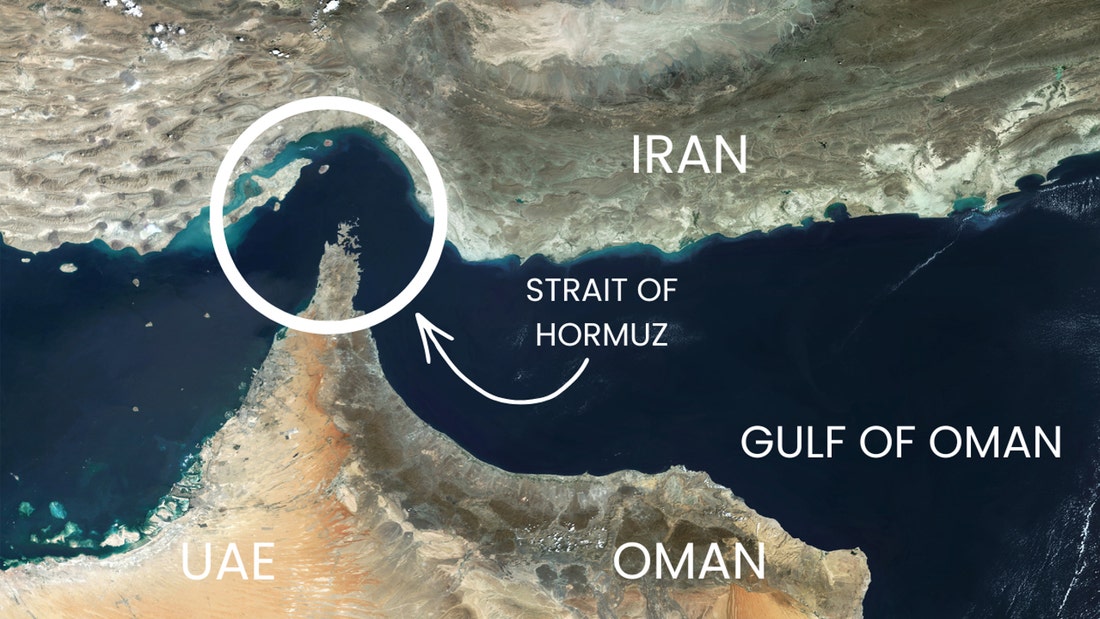
Internationally, the phrase acts as a warning. Iran is signaling that while it may avoid direct, large-scale war, it is prepared to respond across multiple arenas—cyber operations, regional proxy conflicts, maritime pressure in the Persian Gulf, and diplomatic alignment with rival powers of the West.
Potential Consequences
The most immediate risk of this rhetoric is escalation through miscalculation. Even if Iran does not intend conventional war, heightened language raises tensions and reduces room for diplomacy. Any incident involving Iranian allies—such as attacks on U.S. forces in the region or clashes involving Israel—could spiral into a broader confrontation.
Economically, continued sanctions and isolation may deepen Iran’s internal challenges, increasing public frustration and testing the government’s ability to maintain stability. Regionally, Iran’s rivals, particularly Israel and Gulf Arab states, may interpret Tehran’s stance as confirmation that containment and deterrence must be strengthened.
At the same time, Iran’s “total war” framing suggests it will continue seeking alternatives to Western systems—deepening ties with Russia and China, pushing for regional trade mechanisms, and relying on asymmetric strategies rather than direct military confrontation.
A War Without a Front Line
Ultimately, when Iran speaks of “total war,” it is not announcing tanks on the move or armies mobilizing. It is describing a prolonged struggle over power, influence, and survival in a world it believes is stacked against it. The danger lies not in the phrase itself, but in how long such a high-stakes standoff can continue without tipping into the very kind of war all sides claim they want to avoid.
2026 Hijri Calendar: Major Islamic Festivals, Ramadan & Eid Dates | Maya