Milly Alcock’s Supergirl and the DC Universe’s Next Big Test
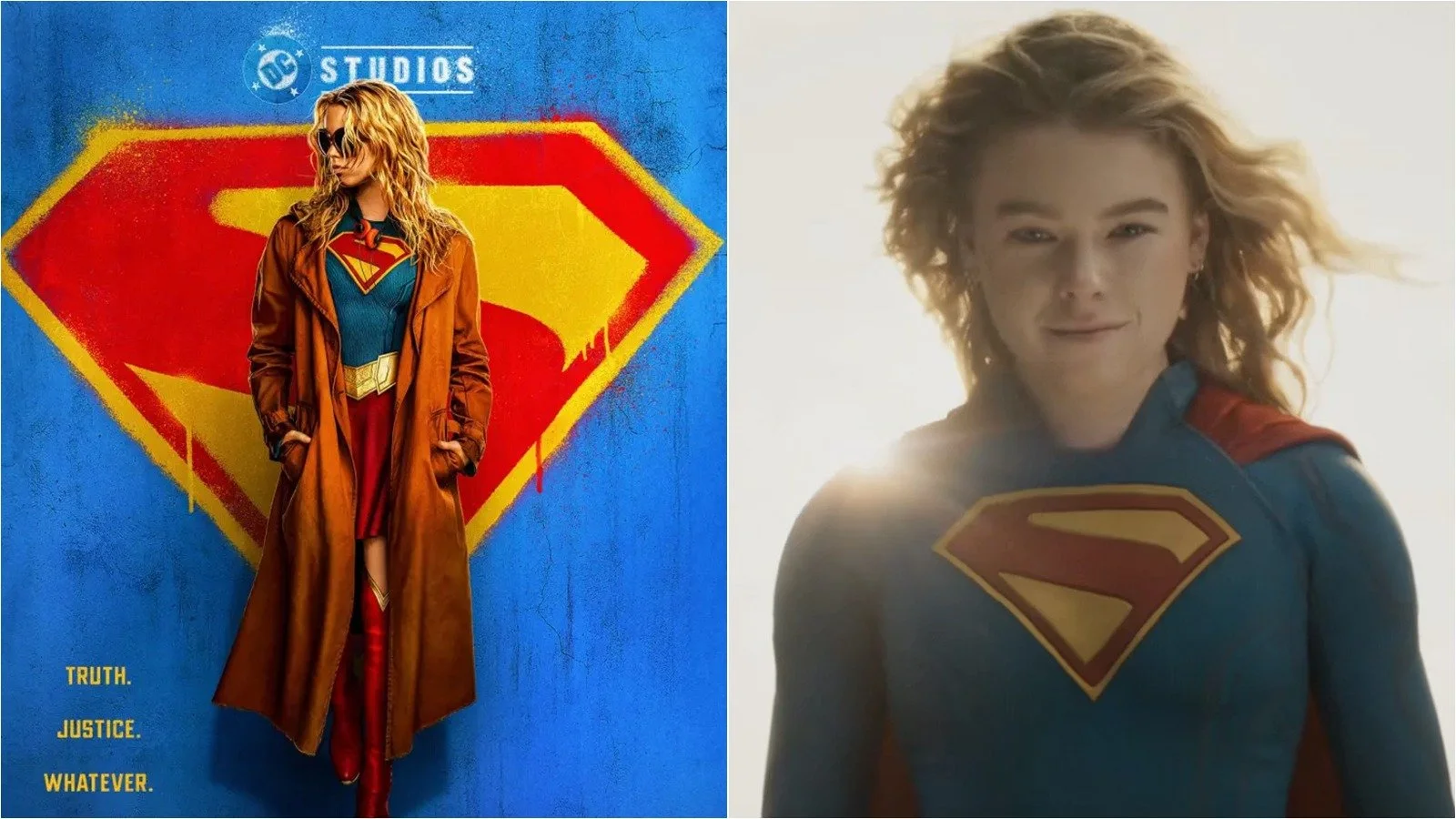
As the DC Universe continues its long-awaited reinvention, Supergirl is shaping up to be far more than just another superhero movie. Slated as part of DC Studios’ new “Chapter One: Gods and Monsters,” the film represents a crucial turning point for the franchise—and for the young actor leading it. With Milly Alcock stepping into the role of Kara Zor-El, DC may be betting on a fresh face to help define its future tone, identity, and creative independence.
Since James Gunn and Peter Safran took over DC Studios, the message has been clear: this is a full reset. While Gunn is personally directing Superman, Supergirl is notably the first major DCU film not helmed by him. Instead, it’s directed by Craig Gillespie, with a script by Ana Nogueira, making it a real test of whether the DCU can succeed as a shared vision rather than a one-man show. If Supergirl lands, it proves the new universe can thrive under multiple creative voices. If it doesn’t, concerns about consistency and long-term cohesion will quickly resurface.
Milly Alcock’s casting already signaled that DC was aiming for something different. Rather than choosing a traditionally established movie star, the studio opted for an actor still on the rise, best known for her emotionally charged performance in House of the Dragon. That choice aligns with Gunn and Safran’s broader strategy: prioritize character-first storytelling and long-term growth over short-term spectacle. Alcock’s Supergirl is reportedly inspired by the Woman of Tomorrow comic run, which portrays Kara as more hardened, emotionally complex, and shaped by trauma in ways that sharply contrast with Superman’s hopeful upbringing on Earth.
That contrast is important for the DCU. Superman is positioned as the moral center of this new universe, representing optimism and compassion. Supergirl, by comparison, offers a more jagged perspective—someone who remembers Krypton, carries survivor’s guilt, and struggles with anger and grief. If handled well, this dynamic gives DC something it has often lacked: genuine emotional variety among its heroes, rather than tonal sameness.
Visually, Supergirl is also expected to stand apart. Early reactions suggest the film leans into a cosmic, almost sci-fi western aesthetic, balancing sweeping interstellar imagery with more intimate character moments. This is a smart move for DC, which has historically swung between grounded realism and mythic grandeur without always finding the right balance. A visually confident Supergirl could help establish what the DCU looks and feels like beyond Earth-based stories.
Jason Momoa’s appearance as Lobo adds another intriguing layer. Once rumored to be returning as Aquaman, Momoa instead reenters the DCU as one of its most chaotic antiheroes. While reports suggest his screen time is limited, Lobo’s presence hints at the wider cosmic playground DC is building—one that includes Lanterns, New Gods, and other spacefaring corners of the universe. Even brief appearances like this help reinforce the idea that these films are interconnected, without relying on constant crossovers.
Not all buzz has been glowing. Some early chatter points to concerns about the film’s villain, Krem of the Yellow Hills, who may lack the impact of DC’s most iconic antagonists. Villain issues have plagued superhero films across studios, and DC in particular has struggled to consistently deliver memorable foes. However, the studio appears to be placing its confidence squarely in character work rather than spectacle-driven conflict. If Alcock’s performance resonates strongly enough, it could offset weaknesses elsewhere in the story.
More broadly, Supergirl arrives at a moment when DC needs momentum. The previous era left audiences cautious, if not skeptical, after years of uneven quality and abrupt cancellations. The success of Superman will matter, but Supergirl may matter just as much—perhaps more—because it demonstrates whether audiences are willing to invest emotionally in the wider DCU beyond its flagship hero.
For Milly Alcock, the stakes are equally high. A strong performance could elevate her from breakout TV star to defining face of a major franchise. For DC, it could mark the beginning of a new era where character depth, creative risk, and long-term planning finally align. If Supergirl delivers, it won’t just be a win for one film—it could be the moment the DC Universe truly finds its footing.
The Billion-Dollar Beat: Beyoncé’s Journey to Iconic Wealth | Maya