A 500-Year Relationship: Denmark and Greenland Explained
And Why Donald Trump’s “Buy Greenland” Claim Was Not as Crazy as It Sounded
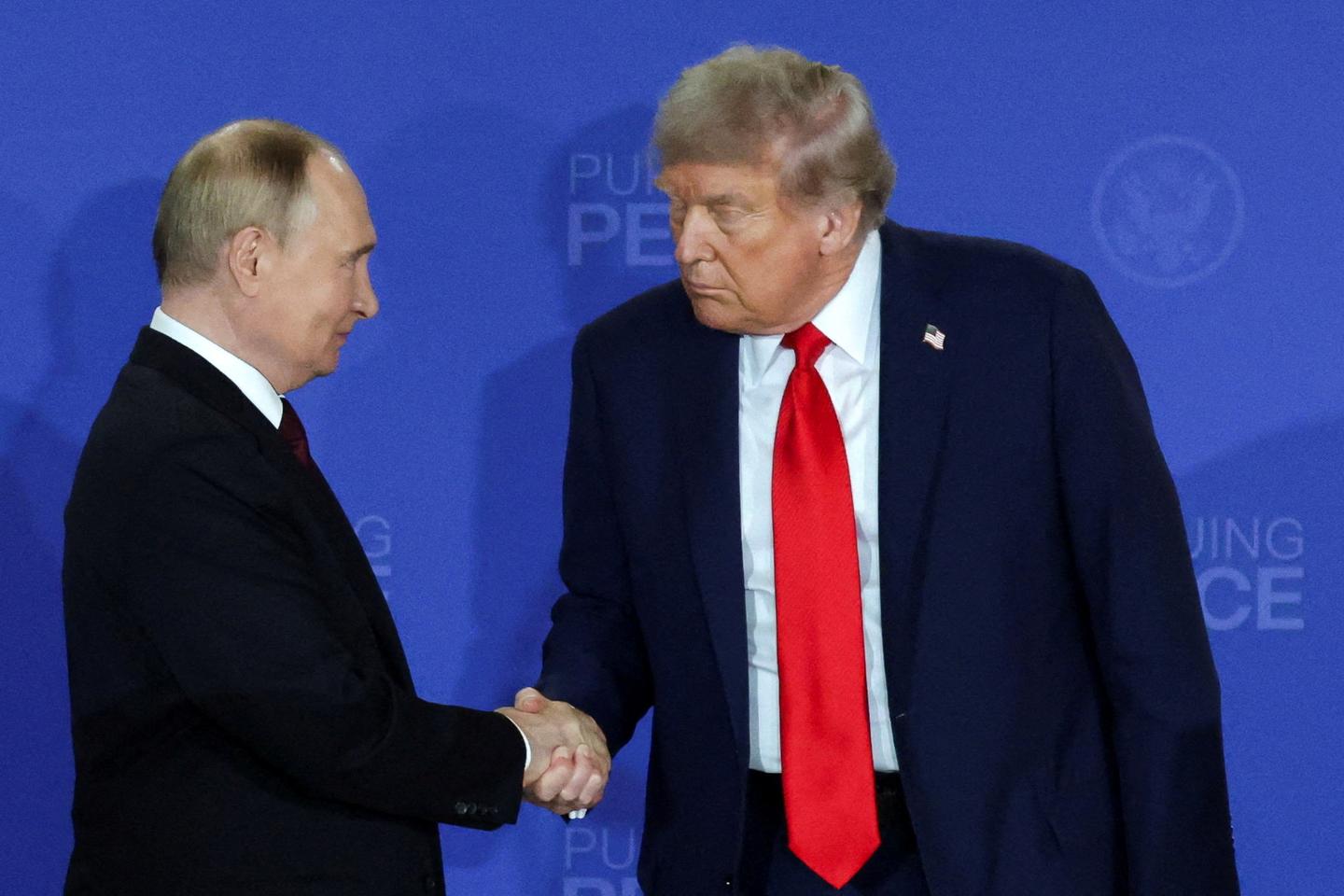
For 500 years, Greenland has been treated less like a land and more like a strategic object—claimed, traded, reshaped, and spoken for by outsiders. Denmark calls it a “part of the Kingdom.” Greenlanders call it “home.” And in 2019—and again echoed in global politics later—Donald Trump called it something else entirely: a deal waiting to happen.
The world laughed. Memes exploded. Denmark said Greenland was “not for sale.”
But here’s the uncomfortable truth no one puts in the headline:
Greenland has been “sold,” claimed, and controlled before—just not with a price tag.
To understand Trump’s claim, you have to understand the 500-year story Denmark rarely tells plainly.
The Land That Was Never Empty—but Treated Like It Was
Long before Denmark, before Europe even knew Greenland existed, Inuit communities lived across the island for thousands of years. They adapted to the ice, hunted sustainably, and built culture around survival—not ownership.
Then came the Norse Vikings around the year 985. They settled, farmed, and vanished by the 1400s. No war. No conquest. Just disappearance.
When Denmark arrived centuries later, Greenland was not empty, but it was treated as if it were ownerless.
That single assumption shaped everything that followed.
1721: When God, Trade, and Control Arrived Together
In 1721, Danish-Norwegian missionary Hans Egede arrived in Greenland. Officially, he came to find “lost Norse Christians.” Unofficially, Denmark came to plant a flag.
What followed wasn’t just missionary work—it was colonial engineering:
- Inuit spiritual systems were replaced with Christianity
- Trade became a Danish monopoly
- Movement, commerce, and contact with the outside world were controlled
- Greenlanders became economically dependent on Denmark
- Greenland wasn’t conquered with armies. It was absorbed slowly, quietly, and “politely.”
That made it easier to forget it was colonization at all.
The Colonial Freeze: Isolation by Design
For nearly 200 years, Greenland was deliberately kept closed to the world.
Why?
Because Denmark didn’t want:
- Other European powers interfering
- Greenlanders trading independently
- Any competing claim on Arctic resources
This was colonialism without spectacle—no plantations, no revolts, just long-term dependency.
By the time slavery was being abolished elsewhere, Greenland was still being run as a managed experiment.
1953: When Denmark Said “You’re Equal Now”
In 1953, Denmark made a dramatic announcement:
Greenland was no longer a colony—it was now an integral part of Denmark.
Sounds progressive. It wasn’t.
Behind the scenes:
- Inuit families were relocated from traditional lands
- Children were placed in Danish-speaking schools
- Danish became the language of success
- Traditional hunting economies collapsed
Equality, in practice, meant becoming more Danish.
Many Greenlanders later described this period as more destructive than colonialism itself—because it targeted identity, not just governance.
1979–2009: Greenland Starts to Wake Up
By the late 20th century, Greenlanders began asking dangerous questions:
“If we are equal… why don’t we decide?”
In 1979, Greenland gained Home Rule.
In 2009, it gained Self-Government, including control over:
- Natural resources
- Law enforcement
- Language and culture
- Denmark still controls:
- Foreign policy
- Defense
- Currency
And Denmark still sends Greenland over $600 million annually—a subsidy that quietly maintains influence.
Greenland is not independent.
But it is no longer silent.
Enter Donald Trump: The Comment That Exposed Everything
When Donald Trump suggested the United States should buy Greenland, the reaction was instant outrage.
Denmark called it “absurd.”
European media mocked it.
Twitter had a field day.
But here’s what almost no one said out loud:
Trump wasn’t talking like a madman.
He was talking like an empire.
The U.S. already:
- Controls Thule Air Base, one of the most critical missile defense sites on Earth
- Sees Greenland as vital to Arctic dominance
- Knows melting ice is unlocking rare earth minerals, oil, and shipping routes
Trump simply said the quiet part loudly.
The Real Question Trump Accidentally Asked
Trump didn’t just offend Denmark.
He exposed a deeper contradiction:
If Greenland is truly “not for sale”… who owns it?
- Denmark? A former colonial ruler?
- Greenlanders? Who don’t control foreign policy?
- Or global powers circling the Arctic like sharks?
Denmark said Greenland must decide for itself.
Greenland’s leaders responded clearly:
“We are not for sale—but we are open for business.”
That line terrified everyone.
Why Greenland Matters More Now Than Ever
This isn’t about Trump anymore.
It’s about:
- Climate change opening the Arctic
- China investing quietly in Greenlandic infrastructure
- Russia militarizing the polar north
- The U.S. reinforcing Arctic command
Greenland sits at the center of 21st-century geopolitics, whether it wants to or not.
For 500 years, Greenland was controlled because it was remote.
Now it’s powerful because it isn’t anymore.
The Uncomfortable Ending No One Likes
Denmark’s 500-year relationship with Greenland is not a love story.
It’s a story of protection mixed with control, care mixed with silence.
Trump didn’t invent the idea of owning Greenland.
He just reminded the world that Greenland has never fully owned itself.
The next chapter won’t be written in Copenhagen—or Washington.
It will be written in Nuuk.
And this time, the world is watching.