
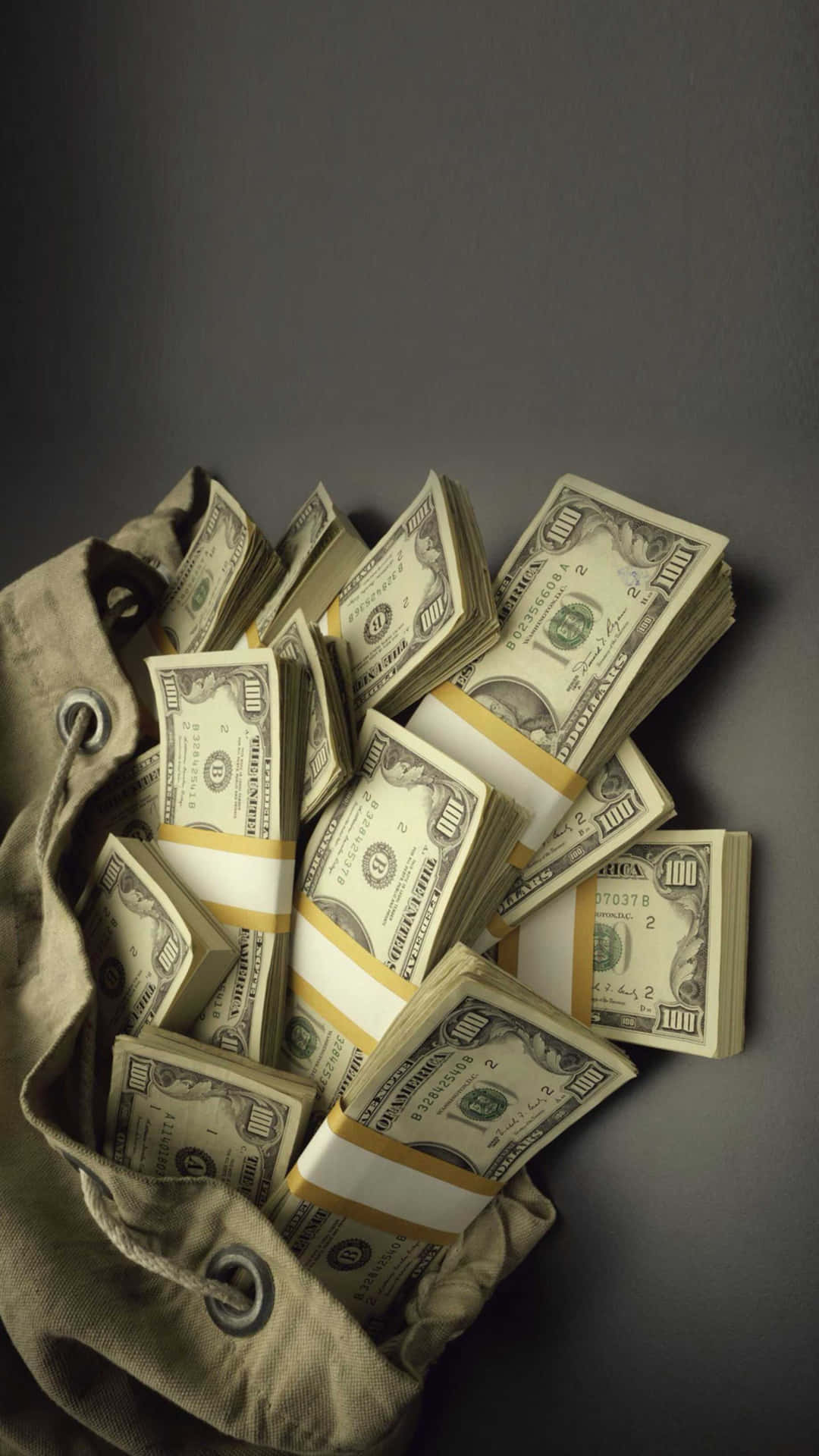
Why Every Country Secretly Works for the Dollar- At first glance, the global economy looks competitive. Countries fight for exports, influence, technology, and power. Governments talk about sovereignty, independence, and national interest. But beneath this surface-level rivalry lies a strange and uncomfortable truth:
Almost every country on Earth works, directly or indirectly, for the US dollar.
Not because they want to — but because the system leaves them little choice.
This isn’t a conspiracy. It’s a structure. And once you understand it, global politics, trade wars, sanctions, and even inflation start making sense.
The Dollar Is Not Just a Currency — It’s Infrastructure
Most people think of money as paper, numbers on a screen, or something you earn and spend. But the US dollar is something far bigger.
It is global financial infrastructure.
Over:
80% of global trade
Nearly all oil and energy trade
Most international debt
Global reserves held by central banks
are either priced, settled, or stored in US dollars.
This means the dollar is not just America’s money — it is the operating system of the global economy.
And if you want to participate in the world economy, you must use the operating system.
Oil: The Hidden Backbone of Dollar Power
The real reason every country works for the dollar is energy.
Oil is essential for:
Transportation
Food production
Manufacturing
Electricity
Military operations
Modern civilization runs on energy. And for decades, oil has been priced almost exclusively in US dollars.
This system is known as the petrodollar.
If a country wants oil, it must first obtain dollars.
To obtain dollars, it must:
Export goods or services
Borrow from global markets
Attract foreign investment
Or hold dollar reserves
In other words, countries must earn dollars before they can survive.
The Silent Arrangement That Changed the World
In the 1970s, after the US left the gold standard, the dollar faced a credibility crisis. It was no longer backed by gold. By logic, it should have collapsed.
Instead, the US struck a strategic deal with major oil-producing nations, especially Saudi Arabia:
Oil would be sold only in US dollars
Oil exporters would reinvest surplus dollars into US financial assets
In return, the US would provide military and political protection
This created a loop:
The world needs oil
Oil needs dollars
Dollars flow back into the US
From that moment, the dollar stopped being just a currency.
It became global necessity.
How Countries End Up Working for the Dollar
Here’s how the system quietly forces cooperation:
1. Export Dependency
Countries export goods not just to grow, but to earn dollars. Even if trade is “balanced,” the ultimate goal is dollar accumulation.
2. Reserve Accumulation
Central banks hold dollars and US Treasury bonds as reserves. This means countries lend money to the US, often at low interest.
3. Debt Pricing
International loans are usually denominated in dollars. When the dollar strengthens, debtor countries suffer — even if they did nothing wrong.
4. Financial Plumbing
Global payment systems, banking settlements, and trade finance are deeply tied to US-controlled institutions.
So while countries appear independent, they are functionally servicing the dollar system.
The Dollar’s Greatest Weapon: Sanctions
Because the dollar sits at the center of global finance, it can be weaponized.
When the US sanctions a country, it often:
Cuts access to dollar payments
Freezes reserves
Blocks international trade
This works not because the US is everywhere, but because the dollar is everywhere.
Even countries that dislike US policies still rely on the dollar to function.
That is real power.
Why the US Can Print Money (And Others Can’t)
Here’s the part that feels unfair.
Most countries:
Print money → currency weakens → inflation explodes
The US:
Prints money → global demand absorbs it
Why?
Because dollars don’t stay in America. They flow out to:
Buy oil
Settle trade
Sit in reserves
Purchase US bonds
The world absorbs America’s inflation.
This privilege is often called the “exorbitant privilege” — the ability to live beyond normal economic limits because your currency is global.
So Why Doesn’t the World Just Quit the Dollar?
Many countries ask this question. And increasingly, they are trying.
But quitting the dollar is harder than it sounds.
To replace the dollar, a currency must offer:
Trust
Stability
Liquidity
Large financial markets
Legal predictability
Global acceptance
No alternative fully checks all these boxes yet.
The euro is regional.
The yuan is controlled.
Gold is slow.
Crypto is volatile.
The dollar remains the least bad option.
What Is De-Dollarization?
De-dollarization is the process of reducing reliance on the US dollar in:
Trade
Reserves
Debt
Financial settlements
It does not mean the dollar disappears overnight.
It means gradual diversification.
Examples include:
Countries trading in local currencies
Central banks reducing dollar reserves
Energy deals priced outside USD
Regional payment systems
China, Russia, and several emerging economies are actively pursuing this strategy.
Is De-Dollarization a Threat to the Dollar?
In the short term: No
In the long term: Yes, but slowly
The dollar’s dominance was built over decades. It will unwind, if at all, over decades too.
What matters is not collapse — but erosion.
Even a small reduction in dollar demand changes:
US borrowing costs
Inflation dynamics
Global power balance
The system becomes less absolute.
The Final Truth
Every country doesn’t work for the dollar because America forces them to.
They work for the dollar because:
The world runs on energy
Energy runs on oil
Oil runs on dollars
And dollars run the system
Until that chain is broken or replaced, the dollar remains king.
Not because it is perfect — but because everything else depends on it.



Dive into the world of excitement with Juwa 777 and win big!
Ultimately, Juwa 777 offers a blend of enjoyment, protection, and customer care that enhances user satisfaction.