
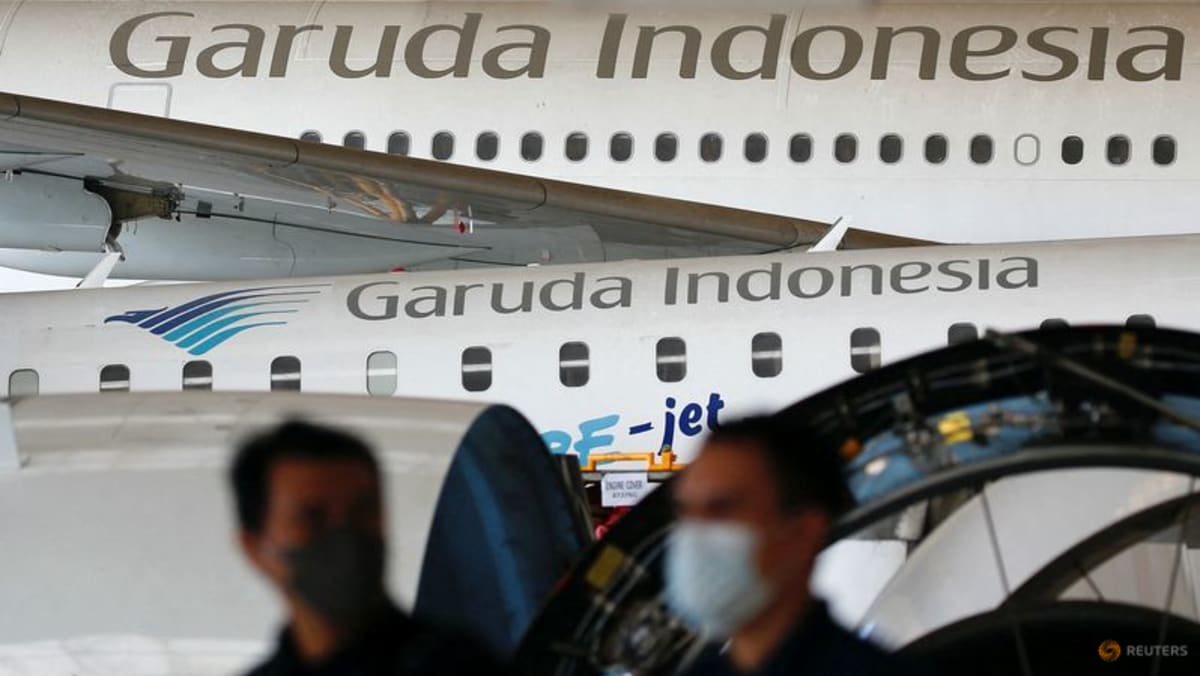
Indonesia to Say Goodbye to Imported Jet Fuel by 2027 — Here’s What That Means!
Indonesia is preparing for a major shift in its energy landscape. The government has announced plans to stop importing aviation fuel by 2027, a move aimed at boosting national energy self-sufficiency and reducing reliance on foreign fuel products. Energy and Mineral Resources Minister Bahlil Lahadalia confirmed the plan during the inauguration of the Refinery Development Master Plan (RDMP) project in Balikpapan, East Kalimantan.
Under the directive of President Prabowo Subianto, the policy marks a decisive step toward self-reliance. “God willing, we will stop importing aviation fuel by 2027,” Lahadalia said. “From that point onward, the government will only import crude oil if needed, while relying on domestic refineries to produce finished fuel products, including jet fuel.”
The announcement signals a major shift for Indonesia, which has historically depended heavily on imported refined fuels to meet domestic demand. Aviation fuel, in particular, has been a critical import item, supporting the country’s growing domestic and international air travel sector. With the country’s population rising and air travel recovering post-pandemic, securing a steady domestic supply of jet fuel has become increasingly urgent.
The Balikpapan Refinery: Heart of the Plan
Central to this initiative is the newly upgraded Balikpapan Refinery, which underwent a massive expansion and modernization under the RDMP project. The project, with an investment of around $7.4 billion, is the first major refinery development in Indonesia in 32 years. Its completion has significantly increased the refinery’s processing capacity from 260,000 barrels per day to 360,000 barrels per day, positioning it as the largest refinery in the country.
The upgrade not only expanded capacity but also improved the refinery’s complexity and efficiency. The Nelson Complexity Index, a measure of a refinery’s ability to process crude into high-value products, rose from 3.7 to 8. This increase allows the refinery to produce a higher proportion of valuable fuels, including low-sulfur diesel and jet fuel that comply with international Euro 5 emission standards. As a result, the Balikpapan Refinery can now produce more environmentally friendly fuel products while minimizing the need for imports.
Diesel and Other Fuel Cuts
In addition to aviation fuel, Indonesia is targeting reductions in diesel imports. Minister Lahadalia announced that CN48 diesel imports would cease starting this year, while CN51 diesel imports would be gradually phased out in the second half of 2026. Pertamina, the state-owned oil and gas company overseeing the project, has been tasked with building the necessary infrastructure to meet domestic demand for these diesel grades.
By cutting diesel and jet fuel imports, the government expects to strengthen domestic production, support local industries, and stabilize fuel prices. Reducing dependence on foreign fuel also offers a measure of protection against global market volatility, which can have immediate impacts on Indonesia’s economy and energy security.
Strategic and Economic Implications
Indonesia’s move to stop importing aviation fuel has broad strategic and economic implications. First, it positions the country as a more energy-independent nation, capable of producing its own fuels at scale. Second, it strengthens Pertamina’s role as a key driver of domestic energy production, creating jobs and supporting the local economy. Third, by producing fuel that meets international environmental standards, Indonesia can align itself with global sustainability goals and improve air quality.
However, the policy is not without potential challenges. Lahadalia acknowledged that some stakeholders, including companies involved in fuel imports, may criticize the plan. There are concerns about whether domestic refineries can fully meet the country’s growing fuel demand, particularly if there are disruptions in crude oil supply or operational setbacks. Ensuring consistent quality and sufficient supply of aviation fuel will be essential to maintaining confidence among airlines and consumers.
Environmental and Technological Advancements
The Balikpapan RDMP project also emphasizes environmental performance. By upgrading to Euro 5-standard fuels, the refinery will produce fuels with lower sulfur content, reducing harmful emissions from both aviation and diesel engines. The higher complexity of the refinery allows for greater production of high-value products, meaning more jet fuel and diesel can be made from the same amount of crude oil. This efficiency not only reduces waste but also enhances Indonesia’s energy security.
The refinery’s expansion represents a significant technological achievement. With advanced processing capabilities, it can handle a wider range of crude types, produce cleaner fuels, and maximize output of premium products. This modernization is expected to make Indonesia more competitive in the global energy market while supporting the country’s environmental commitments.
Looking Ahead
Indonesia’s plan to end aviation fuel imports by 2027 is part of a broader energy self-sufficiency drive. Beyond refineries, the government has been exploring alternative energy sources, including biofuels, renewable energy, and electric mobility initiatives, to further reduce reliance on imported fossil fuels.
For the aviation sector, this policy promises a more stable and locally sourced supply of fuel, potentially lowering costs and reducing exposure to global price fluctuations. For the national economy, it signals a step toward stronger energy independence, technological innovation, and environmental sustainability.
In short, by 2027, Indonesia could become a country that no longer depends on imported jet fuel, thanks largely to strategic investments in refinery infrastructure and a clear vision for domestic energy production. While challenges remain, the combination of capacity expansion, advanced refinery technology, and government policy is positioning Indonesia on a path toward greater energy sovereignty.
 "25% Tariff? Trump Just Shook Up India’s Economy")
