Artificial Gravity Stations: The Next Leap in Orbital Living- Imagine a future where astronauts don’t float endlessly inside space stations, where your morning coffee doesn’t drift across the cabin, and your muscles and bones stay strong without hours of exercise. Welcome to the era of artificial gravity stations—the next frontier in orbital living.
By 2030, these rotating habitats could transform long-duration space missions, making orbit—and even deep-space travel—more like home, rather than a place where everything drifts.
Why Artificial Gravity Matters
Current orbital missions, including the International Space Station (ISS), operate in microgravity, where astronauts experience weightlessness. While awe-inspiring, long-term exposure has serious consequences:
-
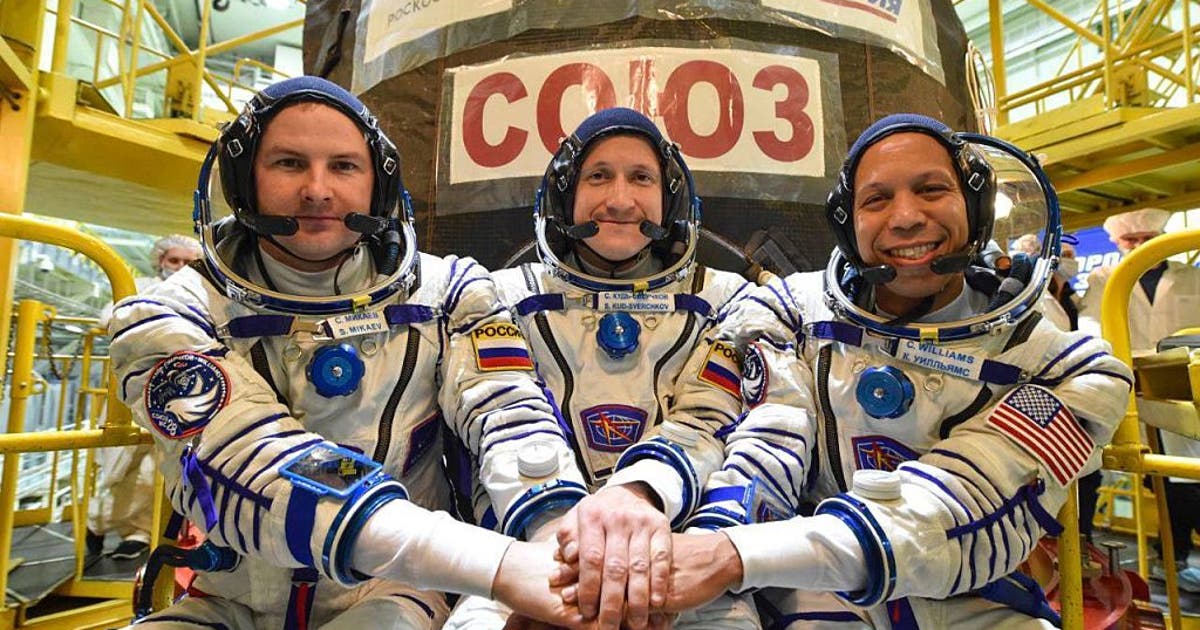
Bone density loss – Astronauts can lose up to 1-2% of bone mass per month.
-
Muscle atrophy – Muscles weaken without the constant pull of gravity.
-
Cardiovascular changes – Heart and blood vessels adapt to microgravity in ways that can be dangerous on return to Earth.
-
Psychological stress – Floating freely isn’t always fun, especially in confined spaces over months.
Artificial gravity could solve these problems by providing a constant downward force, letting humans live and work in orbit much more naturally.
How Artificial Gravity Works
There are two main approaches being explored:
1. Rotational Gravity (Centrifugal Force)
-
Spinning habitats create a force that pushes objects outward, mimicking gravity.
-
The faster the rotation, the stronger the “gravity” at the station’s perimeter.
-
Ideal spin rate: Low enough to avoid dizziness (~2 rotations per minute for large structures).
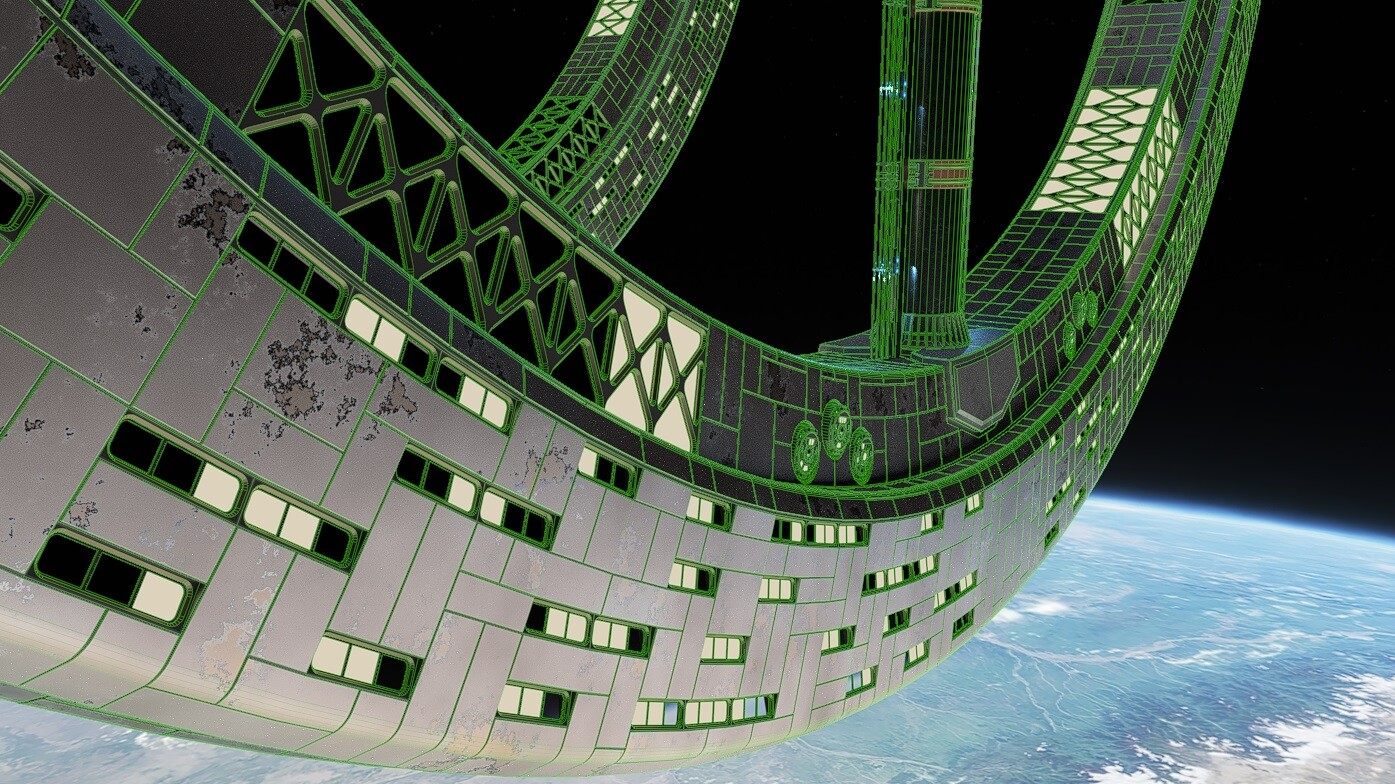
Example: Imagine a giant rotating ring—astronauts walking along the inner edge experience “down” as if they were on Earth.
2. Linear Acceleration
-
Moving a station or spacecraft at constant acceleration creates gravity along the direction of motion.
-
Less practical for orbiting stations, more useful for long interplanetary flights.
Most current proposals focus on rotational habitats, as they can be modular and integrated into existing orbital infrastructure.
Real-World Experiments and Concepts
While no full-scale artificial gravity station exists yet, multiple experiments have paved the way:
-
Centrifuge experiments on the ISS – Small rotating modules tested crew tolerance to artificial gravity for short periods.
-
NASA’s Human Research Program – Studying partial gravity effects on humans for Moon and Mars missions.
-
Conceptual designs – NASA’s Nautilus-X, MIT’s Tethered Rotating Habitats, and Bigelow Aerospace’s inflatable modules explore rotating living spaces.
These experiments suggest humans can adapt to artificial gravity, even in confined orbital stations.
Potential Benefits of Artificial Gravity Stations
-
Health and Longevity – Prevent bone and muscle loss, reduce cardiovascular risks, and minimize other microgravity-related ailments.
-
Long-Duration Missions – Mars missions could become safer and more sustainable with artificial gravity environments.
-
Productivity and Comfort – Crew members can perform daily tasks—cooking, sleeping, exercise—more naturally.
-
Tourism and Commercialization – Space hotels with artificial gravity would feel more Earth-like, attracting more visitors.
-
Science and Manufacturing – Certain experiments may benefit from controlled gravity levels, blending microgravity and partial gravity for specialized research.
Q&A: Living on a Rotating Space Station
Q: Won’t spinning make people dizzy?
A: Short-radius, fast-rotating habitats can cause motion sickness, but designs with larger radii and slower rotation minimize Coriolis effects. Astronauts typically adapt within a few days.
Q: How strong can artificial gravity get?
A: Current concepts aim for Earth-like gravity (1g) at the perimeter, but even partial gravity (0.3-0.6g) could dramatically reduce health risks.
Q: Can existing stations be retrofitted?
A: Not easily. Artificial gravity requires rotation, which current modules like the ISS aren’t designed for. New stations will likely be purpose-built.
Q: How big would a rotating station need to be?
A: Radius is key. For comfortable gravity without dizziness, structures may need to be 100 meters or more across, potentially modular rings or cylinders assembled in orbit.
Designs on the Drawing Board
Several exciting proposals hint at what orbital living could look like:
-
Torus-shaped stations – Giant rotating rings providing 1g at the outer edge, with labs and living quarters inside.
-
Cylindrical habitats – Spinning cylinders that simulate gravity on the inner wall, similar to sci-fi classics.
-
Tethered modules – Two masses connected by a tether, spinning to create artificial gravity at each end.
Some designs even include variable gravity zones, letting astronauts experience microgravity for experiments or full gravity for living.
Challenges to Overcome
Building and operating artificial gravity stations is complex:
-
Engineering hurdles – Large rotating habitats require precision, balance, and robust materials.
-
Launch logistics – Components may need to be launched in pieces and assembled in orbit.
-
Energy requirements – Maintaining rotation and life support consumes power.
-
Human adaptation – Some astronauts may experience disorientation or fatigue during rotation transitions.
Despite these hurdles, advances in modular construction, robotics, and space habitats make these challenges increasingly solvable.
Economic and Scientific Impact
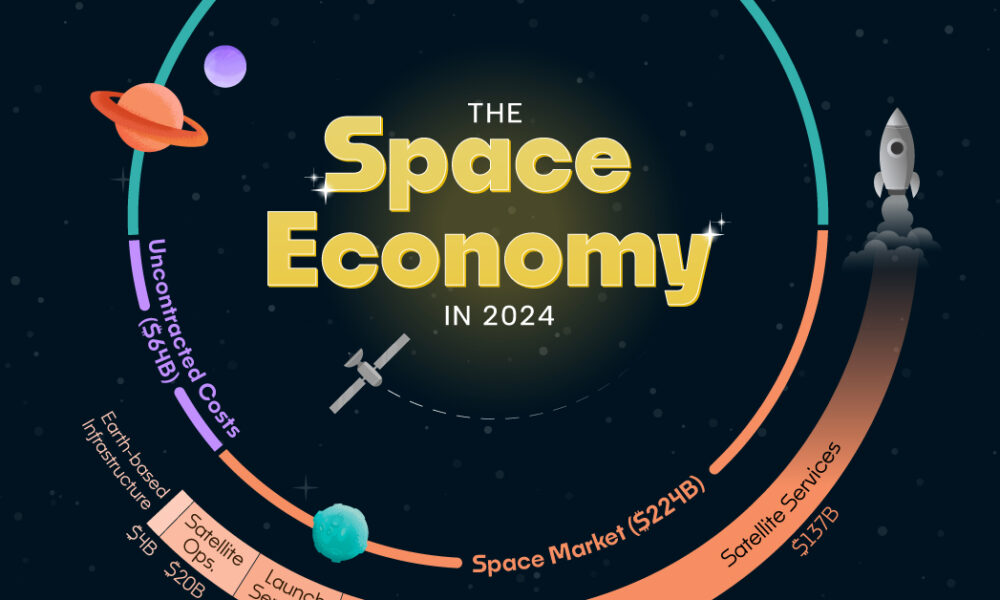
Artificial gravity stations could transform orbital living and the broader space economy:
-
Tourism – More comfortable, Earth-like experiences could make space travel more appealing.
-
Research hubs – Stable gravity environments allow long-duration studies in medicine, biology, and materials science.
-
Manufacturing – Partial gravity could optimize production of certain pharmaceuticals, alloys, and composites.
-
Deep-space mission staging – Stations could serve as training, health, and launch hubs for Mars or asteroid missions.
Looking Ahead: 2030 Vision
By 2030, we could see:
-
Partial gravity stations in low Earth orbit – Small rotating modules tested by NASA or commercial companies.
-
Orbital hotels – Offering tourists short stays in artificial gravity environments.
-
Hybrid research facilities – Combining microgravity labs with partial gravity living quarters for humans and experiments.
-
Modular colonies – Foundations for Moon or Mars missions, helping astronauts maintain health on long journeys.
These stations would mark the first true human habitats designed for long-term orbital life, rather than temporary microgravity experiments.
Expert Insights
Dr. Elena Vasquez, space habitation researcher:
“Artificial gravity is the missing piece in long-term human spaceflight. Without it, humans simply cannot thrive beyond months in orbit. Rotating stations give us the ability to live, work, and grow in space almost as naturally as on Earth.”
John Patel, aerospace engineer:
“The engineering challenges are immense, but modular spinning habitats are within our reach. By combining robotics, inflatable modules, and tethered designs, we could have operational artificial gravity stations within a decade.”
In Summary
Artificial gravity stations aren’t just science fiction—they are the next logical step in orbital living. By restoring Earth-like conditions in orbit, humans can live longer, work better, and prepare for deep-space missions without the debilitating effects of microgravity.
From tourism to research, from training for Mars to industrial-scale orbital construction, artificial gravity could unlock a new era of human activity in space.
By 2030, stepping onto a rotating station might feel less like leaving Earth and more like entering a floating city in the sky—where life is familiar, and the limits of gravity are finally under human control.
Understanding GLP-1 Weight Loss Medications: Side Effects and Key Facts | Maya