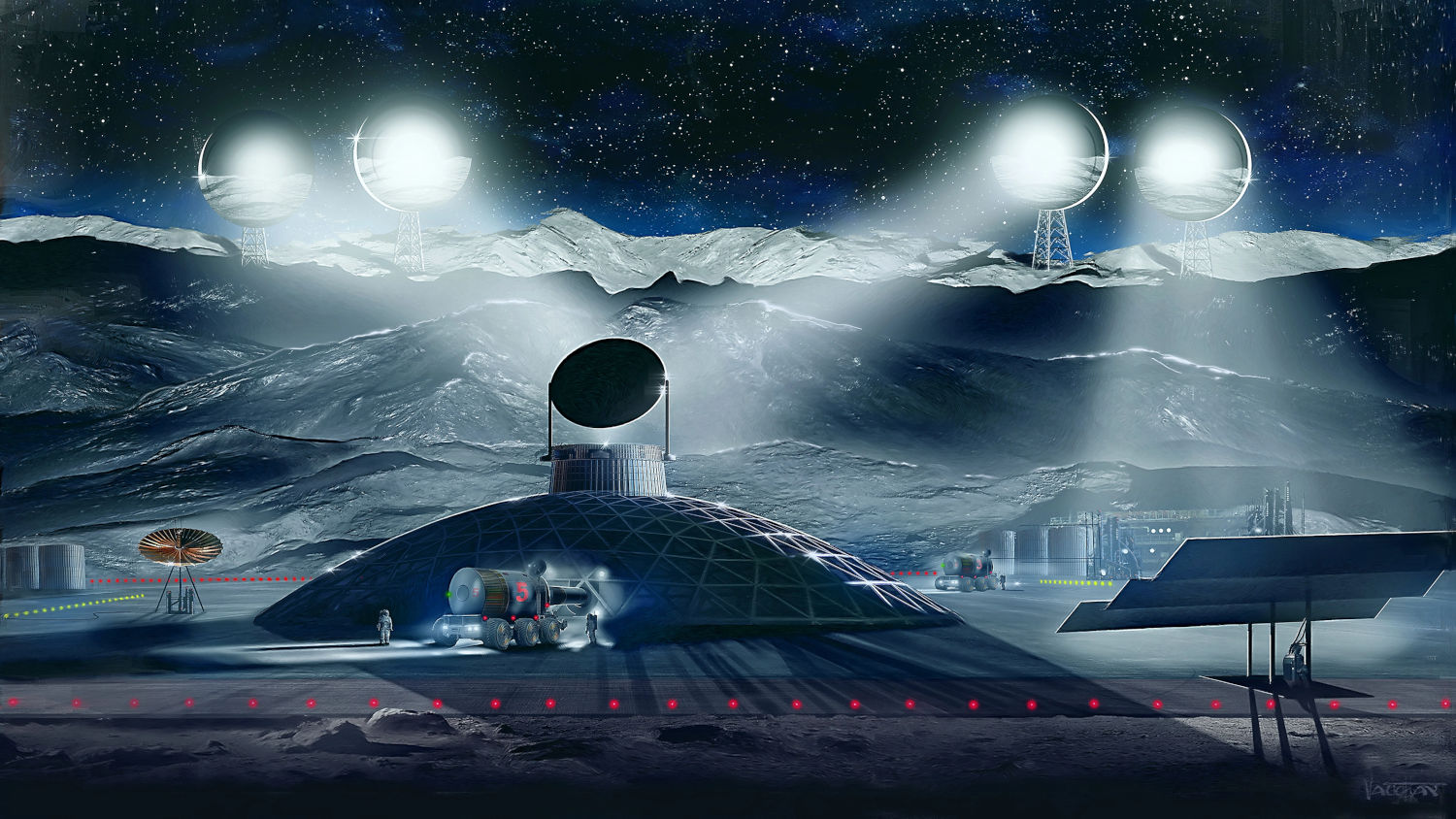
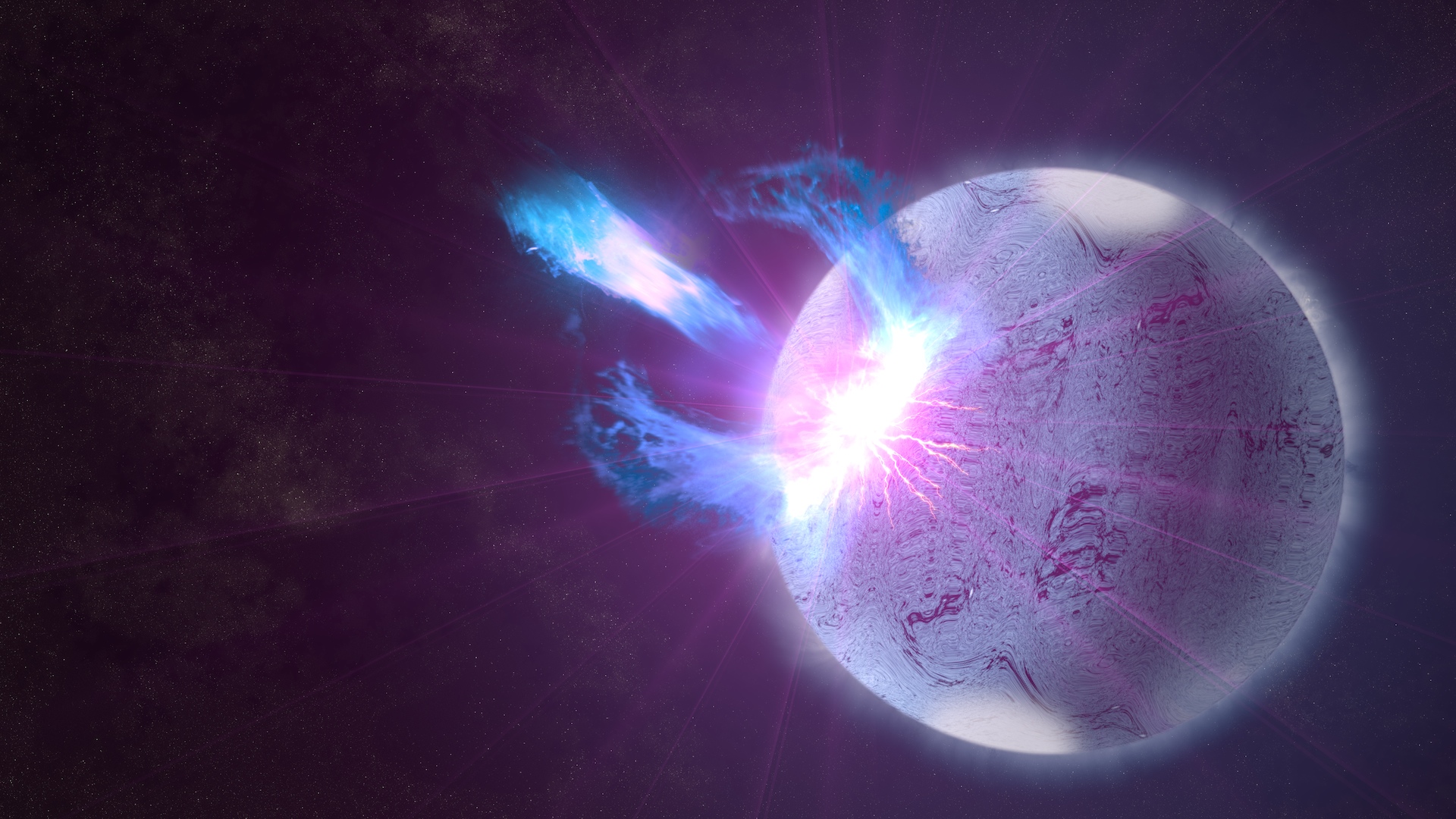
The Ethics of Terraforming: Can Humans Rewrite a Planet’s Biosphere? Imagine stepping onto Mars in 2050 and seeing blue skies, flowing rivers, and green patches of vegetation. Sounds like a dream? Perhaps—but it’s also the controversial vision of terraforming, the process of intentionally altering a planet’s environment to make it habitable for humans.
Terraforming promises new worlds to live on, but it also raises profound ethical questions. Should humans rewrite an entire biosphere? Do we have the right to “play god” on alien worlds? And what unintended consequences might our interventions unleash?
What is Terraforming?
Terraforming involves deliberately modifying a planet’s climate, atmosphere, and surface conditions to support Earth-like life. Key approaches include:
-
Atmospheric modification – Adding greenhouse gases to warm a planet or altering gas composition to increase oxygen.
-
Surface engineering – Melting polar ice caps, creating lakes, or seeding the soil with microbes.
-
Biological interventions – Introducing hardy organisms to produce oxygen, improve soil, or stabilize ecosystems.
Currently, Mars and Venus are the primary candidates for terraforming discussion, though icy moons like Europa are also considered for localized habitat modification.
Why Terraforming is Tempting
-
Long-term survival of humanity – Earth’s resources are finite; having multiple habitable worlds reduces existential risk.
-
Scientific curiosity and exploration – Terraforming pushes the limits of engineering, planetary science, and biotechnology.
-
Economic expansion – Mining, colonization, and energy production could benefit from modified planetary environments.
-
Inspiration and culture – Transforming a barren planet into a living world could symbolize human ingenuity and unity.
But the bigger question looms: just because we can, should we?
Ethical Dilemmas of Terraforming
1. Planetary Rights
-
Does Mars or another planet have intrinsic value independent of human use?
-
Some philosophers argue planets may have a form of moral standing, meaning altering their environment without consent is ethically questionable.
2. Risk of Harm
-
Terraforming is inherently unpredictable.
-
Could warming Mars trigger dust storms, toxic chemical releases, or other unintended consequences that make the planet less hospitable?
-
Ethical principle: Avoid causing harm—even if the harm is to a planet rather than a person.
3. Impact on Potential Native Life
-
Even if Mars appears lifeless, microbial life could exist underground.
-
Introducing Earth microbes or altering the environment might destroy alien ecosystems before we detect them.
-
Do humans have the right to erase unknown life forms for our own benefit?
4. Intergenerational Responsibility
-
Terraforming takes centuries or millennia to complete.
-
Future generations may inherit a world altered by decisions they did not consent to.
-
Ethical frameworks must consider long-term consequences and rights of future inhabitants.
5. Technological Hubris
-
Terraforming requires technologies we do not fully control.
-
Overconfidence may lead to ecological disasters on alien planets, repeating Earth’s history of environmental mismanagement on a cosmic scale.
Scenario: Terraforming Mars
Imagine a project in 2080:
-
Scientists release greenhouse gases to thicken Mars’ atmosphere.
-
Heat traps raise surface temperatures by 20°C over decades.
-
Liquid water forms in some valleys; hardy microbes are introduced to soil.
At first, the project succeeds—but then:
-
Dust storms intensify due to atmospheric changes.
-
Underground microbes, previously unknown, die off.
-
Future settlers may disagree with the ethical choices made generations earlier.
This scenario highlights the ethical tension between human ambition and planetary stewardship.
Q&A: Grappling with Terraforming Ethics
Q: If a planet is lifeless, is it ethical to terraform?
A: Many argue yes, since no life is directly harmed. Others counter that the intrinsic value of the planet itself might still warrant restraint.
Q: Can we justify terraforming for human survival?
A: Survival may be a strong ethical argument, but it must be balanced with risk, environmental stewardship, and long-term consequences.
Q: Could terraforming be reversible?
A: Partially. Reversing large-scale climate or biological interventions is extraordinarily difficult, making mistakes potentially permanent.
Q: Should international bodies regulate terraforming?
A: Most experts agree that planetary governance is essential. Decisions must be transparent, ethical, and globally accountable.
Scientific and Technical Challenges
Ethics aside, terraforming faces massive technical obstacles:
-
Atmospheric density – Mars’ thin atmosphere is hard to thicken, requiring trillions of tons of gas.
-
Temperature regulation – Maintaining a stable climate without runaway greenhouse effects is uncertain.
-
Radiation protection – Mars lacks a magnetic field, exposing settlers to dangerous cosmic rays.
-
Water accessibility – Liquid water must be maintained in a cold, low-pressure environment.
These challenges underscore the high stakes of any ethical or practical misstep.
Perspectives from Experts
Dr. Elena Torres, planetary ethicist:
“Terraforming raises questions about stewardship, consent, and intergenerational responsibility. It is not just engineering—it is a moral choice that affects billions of future beings.”
Dr. Rajiv Menon, planetary scientist:
“From a scientific standpoint, terraforming is feasible in principle, but ethically, it’s a Pandora’s box. We must first understand every consequence before acting.”
Prof. Mia Caldwell, astrobiologist:
“Even if Mars appears lifeless, introducing Earth life could destroy nascent ecosystems. The precautionary principle should guide us.”
Philosophical Frameworks
-
Anthropocentric Ethics – Human survival and expansion justify terraforming.
-
Biocentric Ethics – Life itself (including potential alien life) has moral value.
-
Planetary Ethics – Entire planetary systems possess intrinsic worth and deserve protection.
-
Intergenerational Ethics – Decisions must consider the rights and needs of future generations.
Balancing these frameworks is essential when contemplating rewriting a planet’s biosphere.
Looking to 2030 and Beyond
By 2030, we may not terraform planets yet, but:
-
Experiments with controlled ecological systems (Mars analog habitats, biospheres) will test feasibility.
-
International discussions on space ethics and planetary protection will continue under the UN and space agencies.
-
Ethical frameworks for introducing Earth microbes to extraterrestrial environments will shape future terraforming policies.
Terraforming may take centuries, but the decisions we make today will determine whether humanity acts responsibly—or recklessly—on alien worlds.
The Bottom Line
Terraforming is more than science and engineering; it is a profound ethical challenge. It asks us to consider:
-
Do we have the right to reshape another world?
-
How do we weigh human survival against planetary integrity?
-
What responsibilities do we owe to potential alien life and future generations?
In the end, terraforming is a moral as well as technical frontier. Humanity must decide whether to treat alien planets as blank canvases—or sacred ecosystems deserving respect.
The choice will define not just our future in space, but our values as a civilization.