What Rare and Critical Metals Are Hidden in Greenland?
Greenland at the Center of Global Resource Tensions
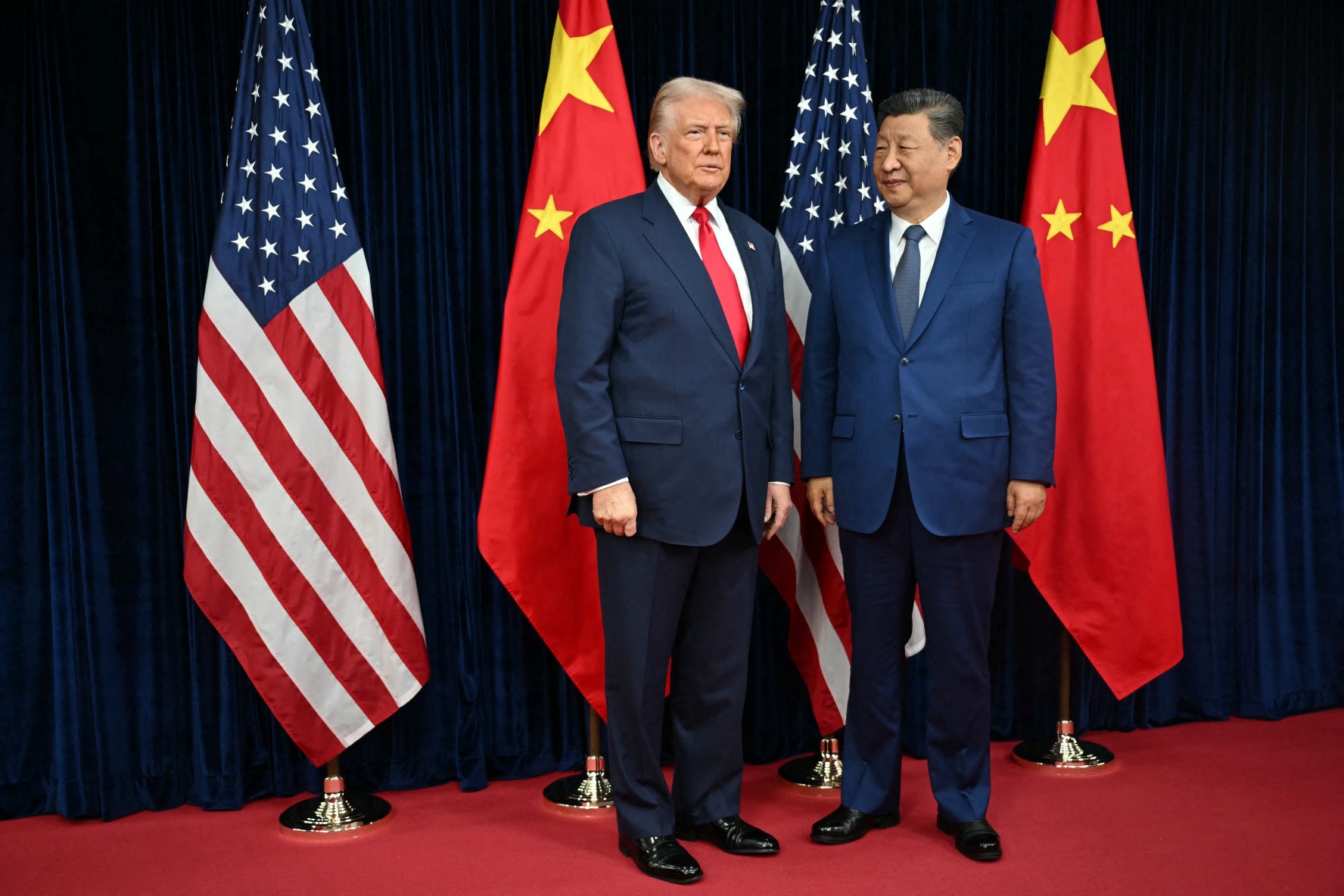
In recent years, Greenland has emerged as one of the most strategically important regions in the world, not just for its vast ice sheets, but for the rare and critical metals lying beneath them. Geopolitical tensions between the United States, Europe, and China have intensified the global scramble for secure supplies of these metals, which are essential for modern technology, clean energy, and defense industries.
Europe and the United States have become increasingly concerned about supply chain vulnerabilities, particularly in rare earth elements, where China currently dominates global production. Greenland, with its immense untapped mineral wealth, represents a potential alternative supply, making it a key focus of strategic planning and scientific exploration.
The interest is not just about economic opportunity—it’s about security. Countries are looking to ensure that they have access to the materials necessary to produce electric vehicles, wind turbines, batteries, advanced electronics, and defense systems. In this context, Greenland is no longer just an Arctic frontier; it is a potential cornerstone of global resource security.
Greenland’s Mineral Wealth: An Overview
Greenland’s geological landscape is exceptionally rich in minerals. Ancient rock formations and massive intrusions of magma over billions of years have concentrated a wide range of rare and critical metals, many of which are in high demand worldwide.
1. Rare Earth Elements (REEs)
Rare earth elements are a group of 17 metals essential for high-tech applications, green energy, and defense. Greenland has some of the world’s largest known undeveloped REE deposits. These elements include:
-
Neodymium (Nd) and Praseodymium (Pr): Key components for high-strength permanent magnets used in electric vehicles and wind turbines.
-
Dysprosium (Dy) and Terbium (Tb): Heavy rare earths critical for high-temperature applications in aerospace and defense technology.
-
Yttrium (Y), Cerium (Ce), and Lanthanum (La): Used in electronics, lasers, and specialized alloys.
Significant deposits have been identified in southern Greenland, particularly at the Kvanefjeld and Tanbreez sites. These deposits contain not only large amounts of REEs but also valuable byproducts such as uranium, zinc, and hafnium. The mineralization is unusually rich in heavy rare earths, which are scarcer and more valuable than light rare earths.
Key REEs in Greenland and Their Uses
| Element | Primary Use | Importance | Key Deposit |
|---|---|---|---|
| Neodymium (Nd) | Permanent magnets | Electric vehicles, wind turbines | Kvanefjeld |
| Dysprosium (Dy) | High-temp magnets | Aerospace, defense | Kvanefjeld |
| Praseodymium (Pr) | Magnets, alloys | High-tech electronics | Tanbreez |
| Yttrium (Y) | LEDs, lasers | Electronics, specialized alloys | Tanbreez |
| Cerium (Ce) | Catalysts | Automotive, industrial | Kvanefjeld |
| Lanthanum (La) | Batteries, catalysts | Automotive, electronics | Tanbreez |
A visual bar chart showing estimated REE concentrations at Kvanefjeld vs. Tanbreez could illustrate the relative abundance of heavy vs. light rare earths for readers.
2. Graphite
Graphite is another strategic mineral abundant in Greenland. It is essential for lithium-ion battery anodes, steelmaking, and advanced materials.
-
Greenland’s Amitsoq graphite project is considered one of the most promising sources of high-quality graphite, with a projected multi-decade lifespan.
-
Graphite from Greenland is particularly high-grade, making it valuable for high-tech batteries and renewable energy applications.
Suggested Graph 1: Pie chart of Greenland’s mineral potential by category
-
Rare Earth Elements: 40%
-
Graphite: 20%
-
Niobium & Tantalum: 15%
-
Base Metals (Cu, Ni, Zn, Pb): 15%
-
Platinum Group Metals & Others: 10%
This visual would give readers a clear sense of the scale and variety of Greenland’s resources.
3. Other Critical Metals
Greenland’s mineral wealth is not limited to REEs and graphite. Other critical metals include:
-
Niobium and Tantalum: Used in aerospace alloys, electronics, and high-performance steel.
-
Hafnium: Important in nuclear applications and superalloys.
-
Molybdenum and Titanium: Strengthening agents in industrial and defense materials.
-
Platinum Group Metals (PGMs): Useful for catalytic converters, electronics, and specialized chemical processes.
-
Copper, Nickel, Zinc, and Lead: Industrial staples found in various regions, often alongside REEs and graphite.
These metals make Greenland a potential global supplier of materials necessary for clean energy technologies and advanced manufacturing.
Critical Metals in Greenland and Applications
| Metal | Use | Industrial Importance | Key Areas |
|---|---|---|---|
| Niobium (Nb) | Steel alloys | Aerospace, defense | Southern Greenland |
| Tantalum (Ta) | Electronics capacitors | High-tech electronics | Tanbreez |
| Hafnium (Hf) | Nuclear rods, superalloys | Nuclear & aerospace | Kvanefjeld |
| Titanium (Ti) | Aerospace alloys, coatings | Industrial & defense | Multiple intrusions |
| Molybdenum (Mo) | Strengthening steel | Construction, defense | Various deposits |
| Copper (Cu) | Electrical wiring | Industrial | Eastern Greenland |
| Nickel (Ni) | Batteries, alloys | EV batteries, aerospace | Western Greenland |
Scientific Research and Exploration
Greenland has attracted extensive scientific attention due to its geological uniqueness. Research programs and private companies are actively mapping the island’s mineral potential:
-
Geological surveys have focused on the Ilimaussaq intrusive complex, an ancient formation hosting multiple rare minerals.
-
Exploration companies have conducted systematic drilling programs at Tanbreez and Kvanefjeld, confirming high-grade REE zones and additional byproducts like gallium, hafnium, and zirconium.
-
Surface sampling in southern Greenland has identified previously unknown REE occurrences, broadening the understanding of Greenland’s potential.
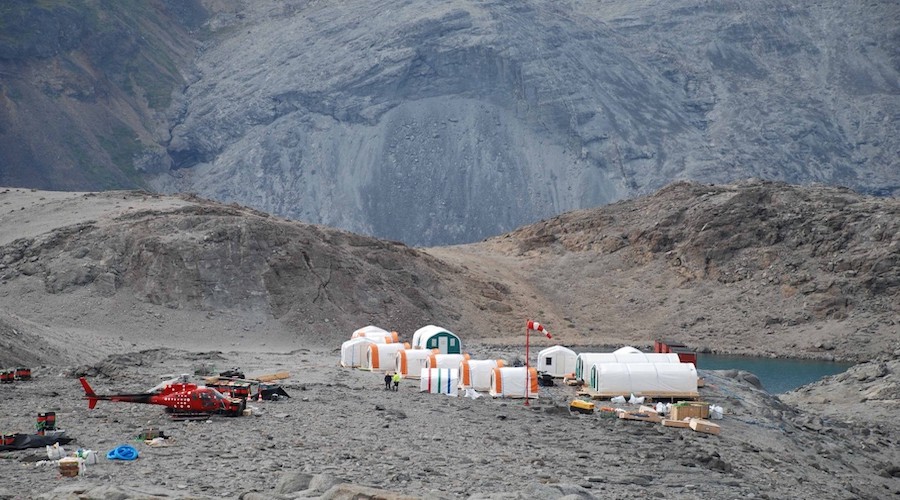
These efforts not only quantify mineral reserves but also provide critical insight into the environmental and logistical challenges of Arctic mining. Greenland’s terrain is harsh, ice-covered, and largely inaccessible, complicating infrastructure development and extraction.
Suggested Graph 2: Map of Greenland showing key deposits and mineral types
-
Kvanefjeld: Heavy REEs, uranium, zinc
-
Tanbreez: REEs, hafnium, niobium
-
Amitsoq: High-grade graphite
-
Citronen Fjord: Zinc, lead
This map would help readers visualize the geographic spread of resources across the island.
Geopolitical and Economic Significance
Greenland’s mineral wealth is now a central concern in international politics. The island is seen as a potential solution to supply chain vulnerabilities in rare earths and other critical metals, especially as Western countries seek alternatives to China, which dominates global production.
Access to Greenland’s resources is not just about profit—it is about strategic security. These materials are vital for military applications, renewable energy, electric vehicles, and advanced electronics. The U.S. and Europe are closely monitoring exploration progress and investing in projects that could eventually provide secure, local sources of critical minerals.
However, challenges remain. Greenland’s remote location, extreme weather conditions, and limited infrastructure make mining costly and complex. Environmental concerns are also significant, as mining projects must navigate sensitive Arctic ecosystems and local communities’ interests. These hurdles mean that large-scale production is likely years away, even for the most promising deposits.
Greenland as a Strategic Resource Frontier
Greenland’s subsurface is a treasure trove of rare and critical metals. From rare earth elements vital for high-tech applications to graphite, niobium, tantalum, and other strategic metals, the island has the potential to play a central role in global supply chains for decades to come.
Scientific exploration continues to uncover new deposits and refine estimates of mineral potential, while geopolitical competition highlights the island’s importance to national security and economic resilience. Greenland is not just a frozen land of ice; it is a critical resource frontier, offering materials that could power the next generation of technology, defense systems, and clean energy solutions.
As global demand for these metals grows, Greenland’s mineral resources are poised to become a pivotal factor in the strategic calculations of nations and corporations alike. The challenge will be to balance resource development with environmental protection and the interests of local communities, ensuring that the benefits of Greenland’s wealth are sustainable and equitable.