What Really Happened During the Defenestrations of Prague? When you hear the phrase Defenestrations of Prague, it might sound like something out of a fantasy novel—people being thrown out of windows as a political statement. But these events were very real, extremely dramatic, and deeply influential in European history. So what really happened? Let’s break it down in a way that’s clear, engaging, and a little surprising.
Defenestration: A Word You Should Know
The word defenestration comes from the Latin de (“down from”) and fenestra (“window”). Literally, it means being thrown out of a window. But in Prague, it became a symbol of political rebellion. The city experienced multiple incidents over the centuries where defenestration was used as a weapon of protest, each shaping history in a unique way.
The First Defenestration: 1419
The first defenestration happened in 1419, during a time of religious tension in Bohemia. Followers of Jan Hus, a reformer executed for challenging the Catholic Church, were outraged at local authorities for suppressing their movement.
The immediate spark came when a crowd of Hussites, led by radical preacher Jan Želivský, marched to the New Town Hall in Prague. They demanded the release of imprisoned Hussite members. The city council refused. Frustration boiled over, and in a shocking turn, several councilors were seized and thrown out of the windows. They fell to their deaths, igniting riots across Prague.
This act wasn’t random—it was deeply symbolic. Throwing someone out a window sent a clear message: authority could be challenged and overthrown. It also marked the beginning of the Hussite Wars, a series of religious conflicts that lasted 15 years and transformed Bohemia.
The Second Defenestration: 1618
The event most people associate with the Defenestration of Prague took place almost 200 years later, on May 23, 1618. This incident directly triggered the Thirty Years’ War, one of the deadliest conflicts in European history.
By this time, Bohemia was ruled by the Catholic Habsburgs, but many nobles and citizens were Protestant. They were frustrated by increasing restrictions on their religious freedoms, guaranteed under a previous agreement called the Letter of Majesty.
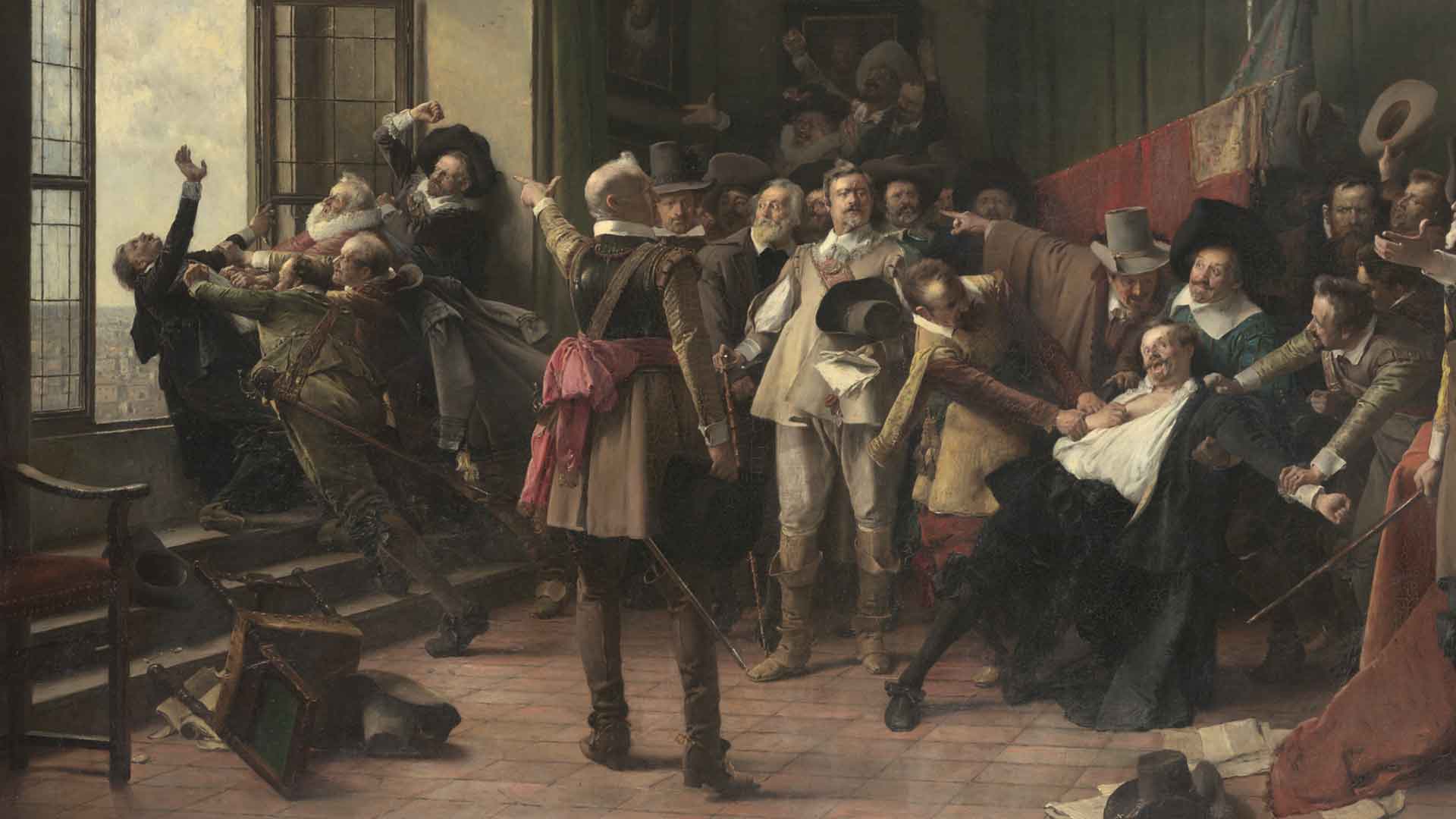
The tension came to a head at Prague Castle. Protestant nobles confronted the king’s officials—Jaroslav Bořita of Martinice, Vilem Slavata of Chlum, and their secretary Philip Fabricius—demanding accountability. When talks broke down, the nobles threw the officials out of a third-story window. Miraculously, all three survived the fall, landing on a pile of manure (or so Catholic accounts say).
This bold act sent a powerful message: the Protestants would resist Habsburg authority by force if necessary. It sparked the Bohemian Revolt, which escalated into the Thirty Years’ War, reshaping Europe’s political and religious landscape.
Why Were People Thrown Out of Windows?
At first glance, throwing someone out of a window might seem chaotic—or even comical—but in Prague, it had a clear purpose:
-
Symbolic Rebellion: A window represents the boundary of power. Throwing an official out was a literal “casting out” of authority.
-
Dramatic Message: Public defenestration served as a warning to others in power: resistance would not be tolerated.
-
Historical Precedent: Once the first defenestration happened in 1419, it became a model for political protest. The 1618 defenestration drew inspiration from this past event.
-
Opportunity: Prague’s architecture—high windows over courtyards—made such acts feasible and visually impactful.
Myths vs. Reality
Over time, the Defenestrations of Prague have been romanticized. Myths include miraculous survivals (like landing in manure) and exaggerated political drama. Here’s what we know for sure:
-
1419: Several city councilors were killed after being thrown from the New Town Hall window.
-
1618: Three royal officials were thrown from Prague Castle windows and survived. This event sparked a major European war.
-
Symbolism: Both incidents were deliberate acts of political rebellion, not accidents or spontaneous violence.
The Lasting Impact
The Defenestrations of Prague weren’t just local scandals—they shaped European history. The 1618 defenestration led to:
-
The Bohemian Revolt and the wider Thirty Years’ War, which caused immense destruction across Europe.
-
A reminder of how religious conflict and political power struggles can intertwine with dramatic acts of protest.
-
A lasting cultural memory in Prague, where the events are commemorated through plaques, statues, and historical tours.
Even today, the term “defenestration” is used metaphorically for the sudden removal of someone from power. Prague’s windows have become symbols of resistance, courage, and political upheaval.
Why Readers Still Love This Story
The Defenestrations of Prague grab attention for several reasons:
-
Drama and Suspense: People were literally thrown out of windows!
-
High Stakes: Each act had serious political consequences, from local riots to a continent-wide war.
-
Surprising Survival Stories: The officials in 1618 survived a fall from a third-story window, adding almost mythical intrigue.
-
Lessons in Power and Protest: The events remind us how ordinary spaces—like windows—can become stages for extraordinary acts of rebellion.
Conclusion
So, what really happened during the Defenestrations of Prague? In short: brave, desperate, and angry citizens literally threw officials out of windows to protest injustice and defend their beliefs. The 1419 defenestration sparked religious wars in Bohemia, while the 1618 incident set Europe on fire with the Thirty Years’ War.
These events show how powerful symbolism can be in politics, how architecture can influence history, and how one dramatic act can change the course of nations. Prague’s windows remain a vivid reminder that sometimes, history falls quite literally from above—and the impact can last for centuries.
Can Urban Electromagnetic Pollution Disrupt Quantum Biology? | Maya