Forza Horizon 6’s Premium Pricing Sparks Gaming Industry Debate- Japan-set racing spectacular draws criticism over steep cost increases and incomplete premium bundles
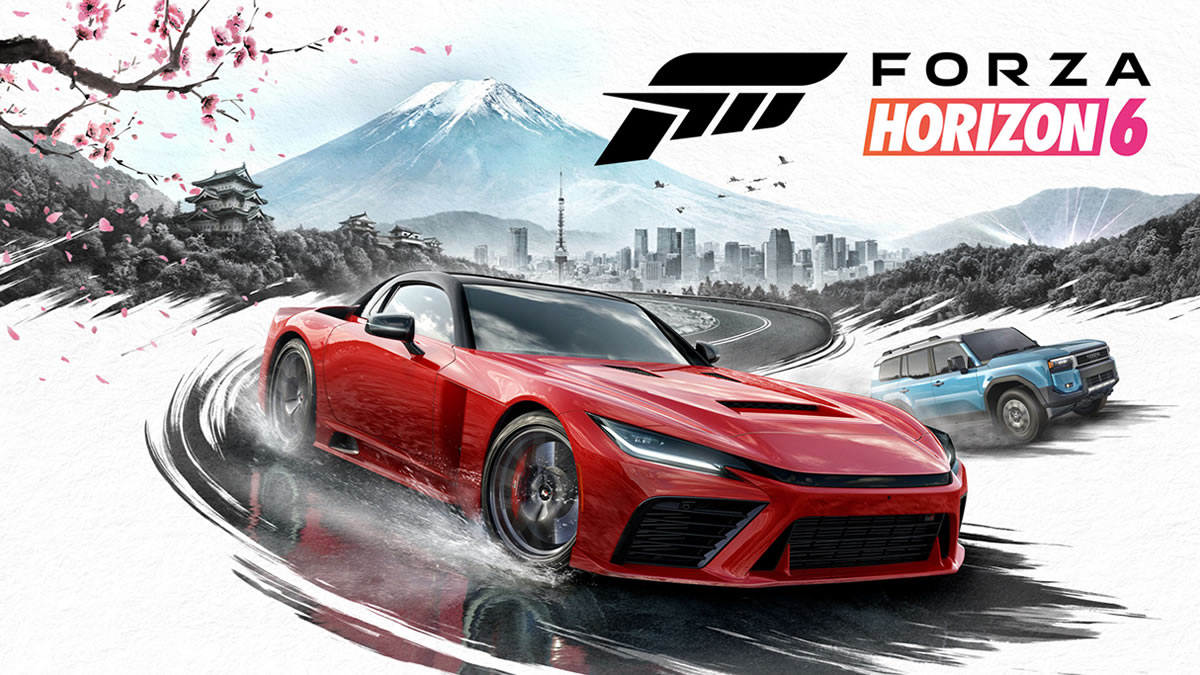
Forza Horizon 6 delivered exactly what fans hoped for during Thursday’s Xbox Developer Direct showcase. Playground Games unveiled stunning Japanese landscapes, from neon-lit Tokyo streets to Mount Fuji’s snow-capped peaks, alongside innovative gameplay features and a massive vehicle roster exceeding 550 cars. However, the excitement surrounding the racing game’s May 19 launch has been dampened by growing concerns over its pricing structure, which represents a significant increase across all editions compared to its predecessor.
The pricing controversy centers primarily on what players receive for their money. The base game now costs $70 in the United States and £60 in the United Kingdom, marking a $10 increase from Forza Horizon 5’s $60 launch price in 2021. While this aligns with industry-wide price adjustments seen across major publishers, it’s the premium tier pricing that has raised eyebrows within the gaming community.
Breaking Down the Editions
Forza Horizon 6 arrives in three distinct versions, each carrying a substantial price tag. The Standard Edition provides the core experience at $70. For those seeking additional content, the Deluxe Edition jumps to $100, a notable $20 increase from Forza Horizon 5’s equivalent tier, which launched at $80. This middle-tier package includes a Car Pass featuring numerous additional vehicles throughout the game’s lifecycle, along with a Welcome Pack containing five pre-tuned cars, a complimentary player house, and various cosmetic bonuses.
The Premium Edition commands the highest price at $120, representing a $20 markup from the previous game’s $100 premium offering. This top-tier package bundles VIP membership benefits, supplementary car packs, access to two planned major expansions, and perhaps most importantly for eager fans, four days of early access ahead of the official May 19 release date. For Xbox Game Pass subscribers, a Premium Upgrade option exists at $60 in the United States and £60 in Britain, effectively matching the price of purchasing the Standard Edition outright.
The Hidden Catch
What troubles many prospective buyers isn’t just the increased cost, but what these premium editions don’t include. Fine print on the game’s Steam page explicitly states that additional downloadable content, including various car packs beyond those specified, won’t be covered by either Deluxe or Premium Edition purchases. The message reads clearly: “Any additional content including (but not limited to) Car Packs is not included in the Deluxe or Premium Editions or in the Premium Upgrade.”
This means that even players who invest $120 upfront will likely need to open their wallets again when Playground Games releases future content packs. The Car Pass included in higher-tier editions covers a specific set of vehicles, but history with previous Forza Horizon titles suggests numerous additional car packs will emerge throughout the game’s post-launch support window, each requiring separate purchases.
Gaming community forums and discussion platforms have erupted with debate over whether this pricing model offers genuine value. Some longtime fans on Steam Community discussions expressed frustration that spending over $100 doesn’t guarantee access to all future content. One user noted sarcastically that they’d need to pay premium prices while still facing the possibility of missing out on content, describing the situation as “extortionate.”
Industry Context and Consumer Pushback
The price increases don’t exist in isolation. They reflect broader industry trends where major publishers have gradually shifted baseline prices upward while simultaneously expanding monetization through season passes, battle passes, and premium editions. Sony’s first-party PlayStation 5 titles frequently launch at $70, while Nintendo has maintained higher regional pricing in many markets. Microsoft, despite its consumer-friendly reputation built through Xbox Game Pass, is now bringing Forza Horizon 6’s pricing more in line with competitors.
However, the Premium Upgrade for Game Pass subscribers presents a particularly thorny issue. At $60 or £60, this upgrade costs exactly the same as buying the Standard Edition outright in the UK, and only $10 less than the full game in America. For subscribers who already pay monthly fees for Game Pass Ultimate, this feels like paying twice for access, especially considering the base game will be available through the subscription service from day one.
Community sentiment varies wildly. Dedicated Forza Horizon enthusiasts who invested hundreds of hours into Forza Horizon 5 argue the pricing remains reasonable given the entertainment value. Several players noted they logged over 200 hours in the previous entry, calculating the cost-per-hour as relatively economical compared to other entertainment options. These defenders point out that for players planning to spend months exploring Japan’s virtual roads, even $120 represents solid value.
Conversely, many gamers express concern about setting precedents. They worry that accepting increasingly expensive premium editions signals to publishers that consumers will tolerate higher prices regardless of what’s included. The sentiment that “everything is just money now” echoed through multiple discussion threads, with users lamenting how fear of missing out drives purchasing decisions rather than genuine value assessment.
What You Get for Your Money
To understand whether Forza Horizon 6’s pricing justifies the cost, examining what each edition delivers becomes essential. The Standard Edition provides the complete base game, featuring the franchise’s largest open world map to date. Design Director Torben Ellert confirmed Tokyo alone is five times larger than any previous Horizon city, while the overall Japanese setting encompasses diverse environments from dense urban centers to rural mountain passes decorated with cherry blossoms.
Gameplay innovations include a progression system tied to exploration rather than purely racing achievements. The new Journey system serves as what Ellert describes as “a visual representation of your journey,” tracking players’ discoveries across the map. Player houses return with expanded functionality, complemented by a novel Estate feature inspired by Japan’s Akiya concept of abandoned rural properties. This system allows players to invest racing proceeds into developing and customizing their own rural retreats.
Car Meets represent another fresh addition, drawing inspiration from Japan’s famous Daikoku parking area gatherings. These social spaces enable players to congregate without competitive pressure, sharing custom designs and trading vehicles. The car roster exceeds 550 models at launch, ensuring variety for collectors and racing enthusiasts alike.
The Deluxe Edition enhances this foundation with the Car Pass, guaranteeing regular vehicle additions over the game’s early months. The Welcome Pack provides immediate access to competitive machinery without requiring extensive grinding. For players wanting to dive straight into high-performance driving, these bonuses eliminate early progression barriers.
Premium Edition buyers receive everything from Deluxe, plus VIP membership perks typically including exclusive events, bonus credit earnings, and cosmetic items. The two included expansions will likely follow Forza Horizon 5’s pattern of introducing entirely new map regions with distinct themes. However, previous expansions have drawn mixed reactions, with Forza Horizon 5’s Hot Wheels expansion praised while others felt less essential.
Regional Pricing Disparities
Global pricing structures add another layer of complexity to the value equation. While American buyers face a $70 base price, regional variations mean players in different markets pay different relative amounts. Indian players, for instance, reported the base game priced at approximately 5,499 INR (roughly $62), with Premium Edition reaching 9,999 INR (about $108). These localized prices attempt to account for purchasing power differences, though whether they succeed remains debatable among affected communities.
United Kingdom pricing particularly stings, with the Premium Upgrade costing £60, identical to the full Standard Edition price. This creates an awkward situation where Game Pass subscribers considering the upgrade must decide whether four days early access plus additional content justifies paying the same amount as simply buying the game outright and canceling their subscription temporarily.
Developer Perspective and Production Costs
Playground Games faces its own balancing act. Developing open-world racing games at the scale and polish Forza Horizon demands requires substantial resources. The studio has expanded significantly to handle dual development of both Forza Horizon 6 and the long-anticipated Fable reboot. Modern game development costs have risen dramatically, driven by increasing visual fidelity expectations, larger team sizes, and extended development cycles.
Thursday’s Developer Direct presentation showcased the care invested in recreating Japan authentically. From accurately modeled Tokyo districts to meticulously detailed car interiors, the attention to detail appears exceptional. Dynamic weather systems reflecting seasonal changes, day-night cycles affecting lighting and traffic patterns, and persistent online worlds supporting social interactions all demand significant technical investment.
Yet consumers increasingly question whether rising development costs should automatically translate to higher retail prices, particularly when games incorporate additional monetization through downloadable content, microtransactions, and subscription services. The argument that publishers deserve compensation for expensive productions clashes with consumer expectations that competition should drive efficiency rather than perpetually escalating prices.
The Game Pass Factor
Microsoft’s Xbox Game Pass complicates value assessments considerably. The service includes Forza Horizon 6 from day one, allowing subscribers to play without purchasing. For casual players planning limited engagement, this represents obvious value. However, dedicated racing fans intending to invest hundreds of hours face difficult calculations.
Premium Edition benefits, particularly early access and expansion content, push committed players toward higher spending tiers. The $60 Premium Upgrade essentially asks subscribers to pay Standard Edition prices while maintaining their subscription fees. Over time, this could exceed simply buying the Premium Edition outright, especially if players maintain subscriptions primarily for other games.
This pricing strategy reveals tensions in Microsoft’s dual business model. Game Pass aims to provide affordable access to extensive game libraries, positioning itself as the “Netflix of gaming.” Simultaneously, Microsoft remains a traditional publisher seeking to maximize revenue from premium software sales. Balancing these approaches creates situations where subscriber benefits feel compromised by premium tier incentives.
Historical Precedent and Future Implications
Forza Horizon isn’t alone in testing higher price points. The broader gaming industry has witnessed steady price creep across AAA titles. What once represented exceptional pricing, reserved for special collectors’ editions, has gradually become standard for anyone wanting complete experiences without future spending.
Early access windows, once rare perks, now routinely gate full releases behind premium purchases. Downloadable content that might previously have been included in season passes now requires separate transactions even for top-tier edition buyers. The fragmentation of post-launch content across multiple purchasing options creates confusion and frustration among consumers trying to budget gaming expenses.
Whether Forza Horizon 6’s approach succeeds depends largely on the game’s quality and longevity. If Playground delivers an exceptional racing experience that maintains player engagement for years, current pricing may fade as a concern. Conversely, if the game disappoints or additional content feels exploitative, the pricing controversy could significantly damage the franchise’s reputation.
Consumer Strategies
For potential buyers weighing their options, several strategies merit consideration. Patient gamers could wait for sales, which inevitably arrive months after launch. Forza Horizon 5 saw numerous discounts throughout its lifecycle, bringing premium editions to prices below current standard pricing. The tradeoff involves missing launch excitement and early community engagement.
Game Pass subscribers playing casually might simply enjoy the base game through their subscription without additional spending. Those planning extensive play could compare total costs across different purchasing approaches, calculating whether Premium Edition upfront spending beats subscriptions plus eventual Standard Edition purchases.
Importantly, consumers should resist pressure to pre-order based solely on early access incentives. Four days represents minimal time, and post-launch reviews provide valuable information unavailable during pre-order periods. The fear of missing out drives many premium edition sales, but waiting rarely results in genuinely missing meaningful content.
In Summary
Forza Horizon 6‘s pricing structure encapsulates current gaming industry tensions between rising development costs, publisher revenue targets, and consumer value expectations. The game itself appears poised to deliver exceptional quality, with Japan’s diverse landscapes and innovative features promising fresh experiences for racing enthusiasts.
However, the $120 Premium Edition price point, coupled with incomplete content coverage and expensive Game Pass upgrade options, raises legitimate questions about value and industry direction. Whether these prices represent fair compensation for quality entertainment or opportunistic exploitation of fan dedication depends partly on individual perspectives and partly on how the final product and post-launch support unfold.
What remains clear is that gaming’s pricing landscape continues evolving, with publishers testing boundaries while consumers increasingly scrutinize whether higher costs deliver proportional value. Forza Horizon 6 won’t resolve these debates, but its commercial performance will certainly inform future publisher strategies as the industry navigates its expensive, uncertain future.
SpaceX Pushes Starlink Expansion With Polar Orbit Launch | Maya