Chrome Gets AI Image Tools and Gemini Assistant in New Side Panel- Google is transforming Chrome from a simple web browser into a full-blown AI workspace. With its latest update, Chrome now includes built-in AI image generation tools and a Gemini-powered virtual assistant housed in a new side panel, signaling one of the browser’s biggest upgrades in years.
The changes reflect Google’s broader push to weave artificial intelligence directly into everyday software. Instead of treating AI as a separate app or website, Chrome now puts it alongside tabs, bookmarks, and extensions—right where users already spend much of their time online.
AI Image Generation Built Into the Browser
One of the most eye-catching additions is native AI image generation and editing inside Chrome. Users can now create or modify images directly within the browser without switching to external tools or downloading separate software.
The feature allows users to generate images from text prompts or edit existing visuals found on the web. For example, a user browsing a furniture website could modify an image to see how a different couch color might look in a living room, or a content creator could quickly generate custom visuals for a blog or presentation.
Because the tool lives inside Chrome, the workflow is seamless. Images can be generated, adjusted, and saved without opening a new tab or launching a design program. This makes quick visual experimentation far more accessible, especially for users who are not professional designers.
At the same time, the addition raises familiar questions about digital authenticity. As AI-generated visuals become easier to create, distinguishing between real images and synthetic ones may become more challenging—a concern that continues to follow the rapid adoption of generative AI.
Gemini Assistant Arrives in a Side Panel
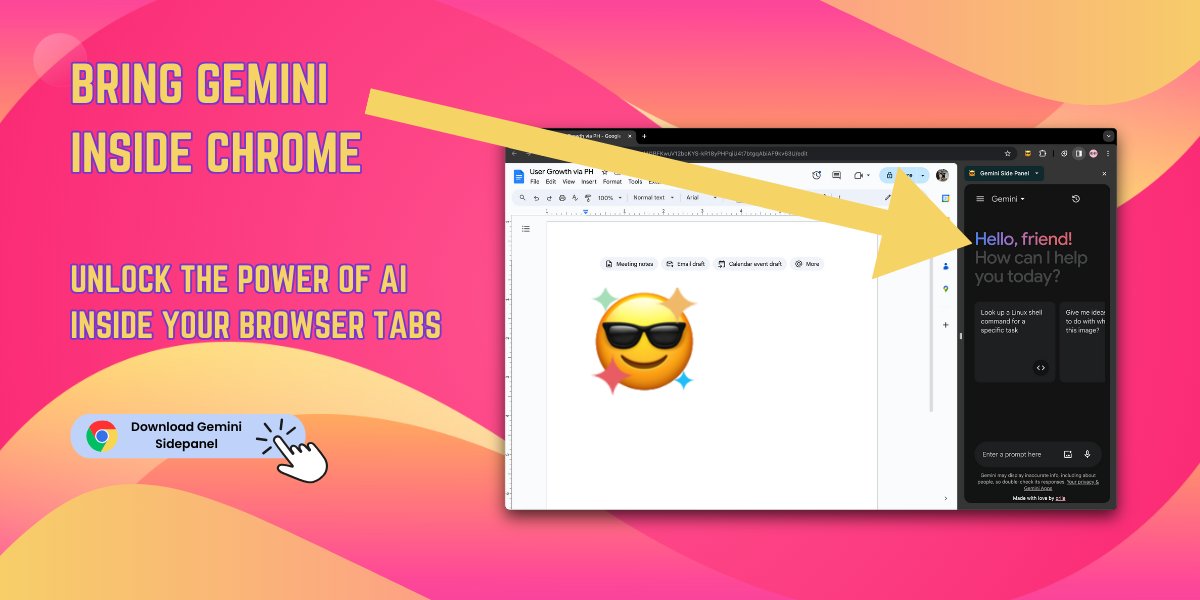
Alongside image tools, Google has introduced a persistent AI assistant powered by its Gemini model. The assistant appears in a side panel that can stay open while users browse, allowing them to interact with AI without leaving the current webpage.
The Gemini side panel is designed to be context-aware. Users can ask it to summarize long articles, explain complex topics, compare products across tabs, or help draft text based on what’s currently on screen. Because it operates alongside open pages, it supports multitasking rather than interrupting it.
This setup marks a shift from traditional AI chatbots that require users to jump back and forth between apps or tabs. Instead, Gemini functions more like a co-pilot for browsing, quietly assisting while users research, shop, or read.
Google positions the assistant as a productivity tool rather than just a conversational bot. It can help organize information, surface key details quickly, and reduce the friction of online research.
Automation and Advanced AI Features
For users subscribed to Google’s premium AI plans, Chrome also introduces more advanced automation features. These tools allow the AI to handle multi-step tasks such as researching travel options, tracking down deals, or gathering information across multiple websites.
The idea is to let users delegate time-consuming online chores to AI while still keeping humans in control. Purchases, form submissions, and final actions still require user approval, addressing concerns about security and unintended actions.
This kind of browser-level automation pushes Chrome closer to becoming an intelligent agent rather than a passive tool. Instead of simply displaying the web, the browser can now actively help navigate it.
A Strategic Move for Google
The update comes at a time when competition in the browser market is intensifying. Rivals like Microsoft Edge have already integrated AI assistants deeply into their experiences, and independent AI-first browsers are gaining attention.
By embedding Gemini and generative image tools directly into Chrome, Google is leveraging its massive user base to normalize AI-assisted browsing. With billions of users worldwide, even small changes to Chrome can have a huge impact on how people interact with the web.
This move also aligns with Google’s broader AI strategy, which already includes Gemini integration across Search, Gmail, Docs, and other services. Chrome now becomes another major pillar in that ecosystem.
What It Means for Users
For everyday users, the update promises faster workflows, easier content creation, and less friction while browsing. Tasks that once required multiple apps—reading, researching, writing, and designing—can increasingly be done in one place.
For the web as a whole, Chrome’s evolution hints at a future where browsers are no longer neutral windows to the internet, but intelligent partners that help interpret and shape online experiences.
Whether users embrace or resist this shift, one thing is clear: Chrome is no longer just a browser. With AI image tools and a Gemini assistant built into its core, it’s becoming a smarter, more active participant in how people experience the web.