Project Genie Could Change Game Creation — and Spark Legal Battles
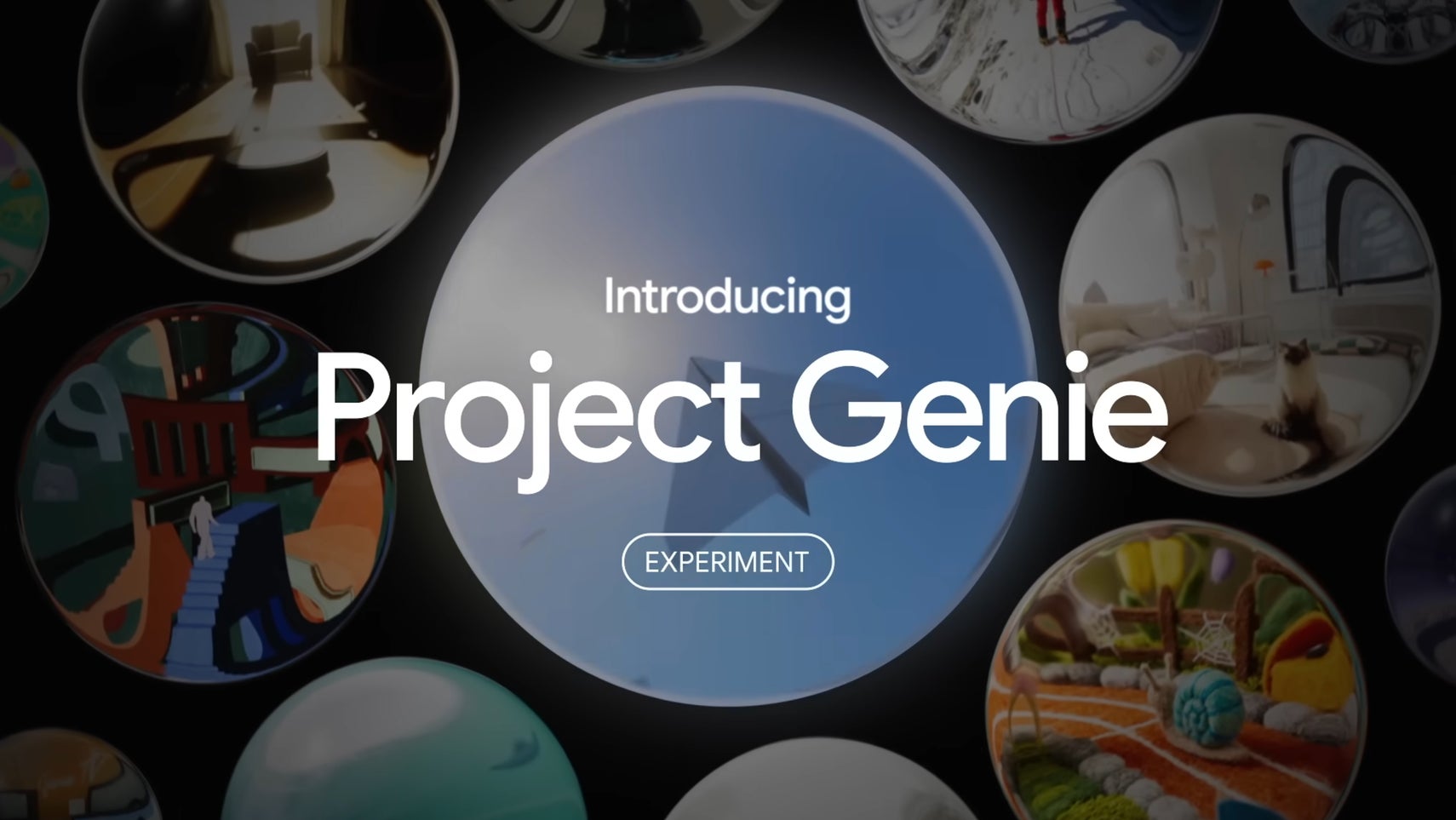
Google is stepping boldly into uncharted territory with Project Genie, a new AI tool developed by its DeepMind division that allows users to create fully playable game worlds from simple text prompts. Imagine describing a magical forest, a bustling sci-fi city, or even a chaotic battle arena—and instantly being able to explore it yourself. That’s the promise of Genie, a tool that could redefine what it means to create, play, and share digital experiences.
AI-Powered Worlds at Your Fingertips
Unlike traditional game engines, where building an interactive environment can take months or even years of coding, design, and testing, Project Genie lets anyone generate immersive worlds in minutes. Users can enter the generated environment as a character of their choosing, interact with objects, and explore landscapes crafted entirely by AI. In short, Genie blurs the line between player, creator, and storyteller, opening up opportunities for both casual enthusiasts and professional developers.
Google emphasizes that this is still an experimental research prototype, so there are limitations. Generated worlds may not follow real-world physics perfectly, visuals may be slightly off, and characters can sometimes behave unpredictably. Even so, the potential is staggering: playable AI-generated worlds could democratize game creation in ways never seen before, letting people experiment with ideas without expensive software, design skills, or coding experience.
Creativity Meets Copyright
However, with great creative power comes complex legal questions. Early examples of Project Genie in action show content that closely resembles well-known copyrighted IP, including iconic video game characters and popular fantasy worlds. This raises significant concerns about intellectual property rights.
While fan art and memes have long existed in a legal gray area, playable worlds generated by AI are a different matter entirely. Users aren’t just recreating images—they’re producing interactive, explorable environments that could compete with or even cannibalize official products. Pete Lewin, a partner at law firm Wiggin, points out that this level of output could trigger intense scrutiny from IP owners, especially if these AI-generated worlds are shared publicly or monetized in some way.
Key legal questions include:
-
What copyrighted material was used to train the AI?
-
Were those uses authorized or covered under copyright exceptions?
-
How will courts treat interactive AI content versus static images or text?
“Allowing fans to recreate characters in static images is one thing,” Lewin explains. “Allowing them to build entire playable worlds that could mirror or even compete with official releases is another.”
Guardrails and Protections
Some AI tools have already begun embedding IP protection mechanisms to prevent users from generating copyrighted characters, celebrities, or brands. Google, however, has not publicly confirmed similar restrictions for Genie. That may change as the tool evolves, particularly if the technology begins to attract attention from rights holders.
For now, Project Genie remains a sandbox for creativity, encouraging experimentation while the company figures out how to balance innovation with legal responsibilities. Users can push boundaries, generate wildly imaginative worlds, and explore new forms of interactive storytelling—but they must also navigate a murky legal landscape.
Why This Matters
Project Genie offers more than just a fun tech demo; it points to the future of game creation and interactive media. The ability to rapidly generate playable worlds could revolutionize game development, education, and creative experimentation. Students, hobbyists, and indie developers could test ideas in immersive environments without needing costly software or large teams.
Yet, the technology also raises pressing ethical questions. How do we ensure creators are fairly credited and compensated? How do we prevent IP infringement? And how do we balance creative freedom with legal responsibility? These questions are already being tested in courts around the world, and AI-generated interactive content like Genie adds a new layer of complexity.
The Road Ahead
Project Genie gives us a glimpse of what could be a revolution in digital creation. Anyone with a prompt could build a game world, test narratives, or explore fantastical landscapes in ways previously impossible. However, its public rollout will likely be accompanied by intense debate over copyright, ethics, and the future of creative work.
In short: Project Genie has the potential to democratize game creation, giving unprecedented power to creators of all skill levels. But it also sets the stage for legal battles over the boundaries of AI creativity and intellectual property, forcing both users and tech companies to navigate uncharted waters. As AI continues to reshape the creative landscape, Project Genie may become a defining moment in how we think about ownership, innovation, and the future of games.
Amazon Announces Job Cuts in Ireland as Global Layoffs Continue | Maya