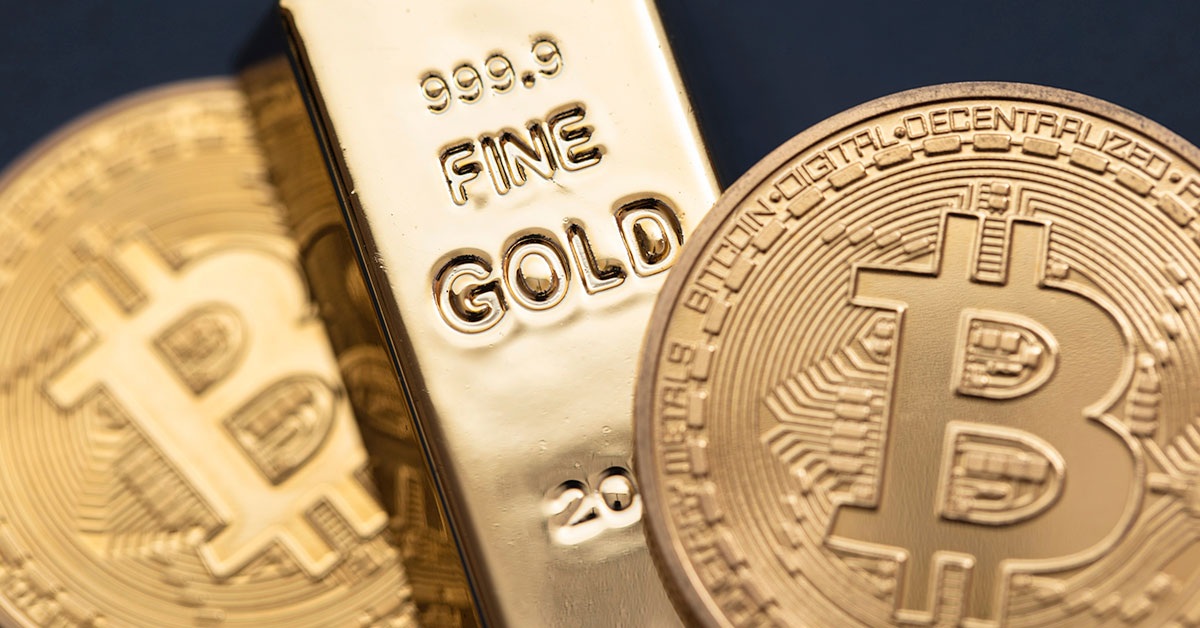
Bitcoin Slides as JPMorgan Warns Gold and Silver Look Stretched- Bitcoin has slid to just above $80,000, retreating sharply from its October peak of $126,000, as traders grow increasingly nervous about the risk of a broader market correction. The pullback has rattled sentiment across crypto markets, with some investors bracing for a deeper selloff even as major Wall Street banks maintain bullish long-term forecasts for digital assets and precious metals.
The latest volatility comes after Goldman Sachs surprised markets with a positive long-term crypto outlook for 2026, followed by fresh commentary from JPMorgan that struck a more cautious tone in the near term. While the bank sees substantial upside for gold and bitcoin over the coming years, it warned that recent gains in precious metals may have gone too far, too fast.
In a note to clients seen by CNBC, JPMorgan analysts led by managing director Nikolaos Panigirtzoglou said they “continue to see more upside over the coming years,” forecasting that gold prices could eventually rise as high as $8,500 per ounce. At the same time, the bank said positioning and momentum indicators suggest that gold and silver futures are now stretched.
Gold futures are currently overbought, JPMorgan said, while silver futures are “very overbought,” raising the likelihood of profit-taking or mean reversion in the near term. Bitcoin futures, by contrast, are now considered oversold, reflecting months of underperformance as investors favored traditional inflation hedges.
The analysts also highlighted that gold has recently demonstrated more robust liquidity and broader market participation than either silver or bitcoin. That divergence, they said, increases the risk that gold and silver could see a pause or pullback after their recent rallies, even as the longer-term macro backdrop remains supportive.
Bitcoin has struggled to rally this year, failing to keep pace with gold and silver during what traders have dubbed the “debasement trade.” That theme has gained traction as investors bet that governments will continue expanding fiscal spending and money supply to support slowing economies, eroding the purchasing power of fiat currencies.
Gold has been the standout beneficiary of that trend. Prices have nearly doubled over the past year, marking the metal’s strongest annual performance since 1979. Earlier this week, gold surged to a fresh record high of $5,600 per ounce before retreating to just under $5,000, following a sharp bout of profit-taking.
Silver also posted dramatic gains, rising roughly four-fold over the past year before pulling back sharply in recent sessions. The speed and scale of those moves have fueled concerns that the precious metals rally may be overheating, at least in the short term.
Bitcoin, meanwhile, has only recently begun to show signs of moving in tandem with gold and silver. This week, the cryptocurrency declined alongside precious metals, an unusual correlation that some bitcoin bulls interpret as a potential signal that selling pressure may be nearing exhaustion.
“Bitcoin has dipped somewhat unexpectedly and, unusually, in sync with gold, trading around $85,000—a key flip level since November 2024,” analysts at crypto exchange Bitfinex said in emailed comments.
According to Bitfinex, the recent decline appears consistent with a short-term shakeout rather than the start of a sustained breakdown. The exchange noted that some retail buying has emerged around the $84,000 level, helping form a tentative short-term base.
Larger pools of passive demand are clustered between $75,000 and $81,000, the analysts added, though the strength of those bids will only become clear if prices move closer to that range. A successful defense of those levels could reinforce the view that bitcoin is carving out a bottom, while a failure could open the door to a deeper correction.
For now, markets remain caught between competing forces. On one hand, long-term forecasts from major financial institutions continue to highlight bitcoin and gold as beneficiaries of structural trends such as currency debasement, rising government debt, and geopolitical uncertainty. On the other, short-term positioning, stretched valuations, and fragile sentiment are raising the risk of further volatility across both crypto and precious metals markets.
As traders weigh those dynamics, bitcoin’s next move may hinge less on long-term conviction and more on whether near-term demand can absorb the ongoing wave of uncertainty.
Artificial Intelligence as Astronaut: Ethical Dilemmas of AI Crews in Space | Maya