War Warning From Tehran: Iran Threatens Full-Scale Regional Conflict if Attacked
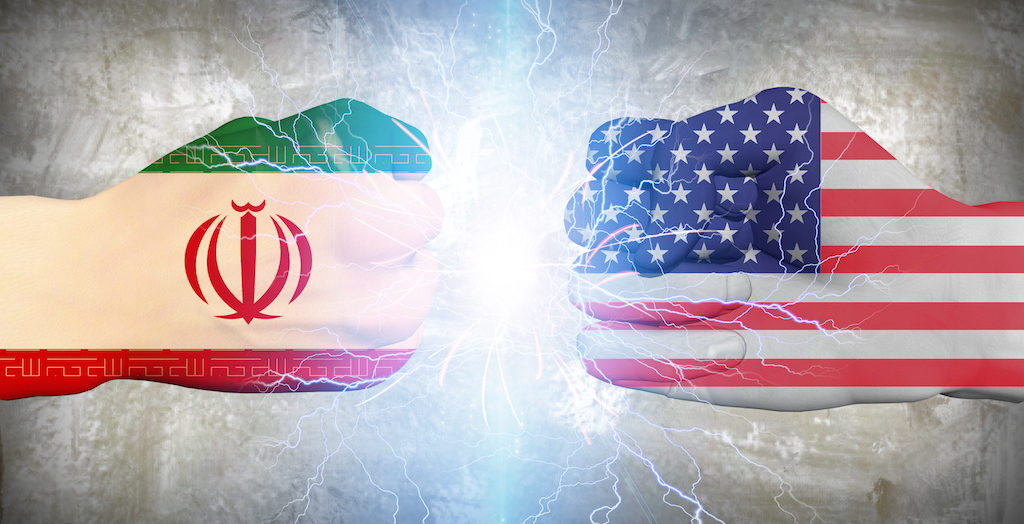
Tensions in the Middle East are reaching a dangerous peak as Iran’s Supreme Leader, Ayatollah Ali Khamenei, issued a stark warning that any U.S. military strike on his country would ignite a full-scale regional war. Speaking before a large gathering in downtown Tehran, Khamenei, who has held absolute power in Iran for nearly four decades, emphasized that the nation would not back down in the face of threats and that any aggression would have consequences far beyond Iran’s borders.
“They should understand that if they initiate a war this time, it will not be limited. It will engulf the entire region,” Khamenei said. His comments come at a time of heightened U.S. military presence in the Middle East, as American forces, including an aircraft carrier strike group and additional naval and air assets, have been deployed in response to mounting tensions with Tehran.
Escalating Military Posture
The United States has maintained that the movement of its forces is a deterrent, designed to demonstrate resolve and protect American interests in the region. However, Iranian officials have interpreted these deployments as preparation for a potential strike, heightening anxieties both in Tehran and among neighboring countries.
In recent days, Iran has conducted naval exercises near strategic waterways, including the Persian Gulf, showcasing its ability to respond rapidly to any potential threat. These maneuvers, involving missile launches and coordinated naval drills, have served both as a warning and a demonstration of Iran’s military capabilities. Iranian commanders have stated that their forces are ready to defend the nation “immediately and decisively” if provoked.
The stakes are high: a military confrontation between the two powers would almost certainly draw in regional actors, given the complex network of alliances and rivalries that define the Middle East. Analysts warn that a single incident could escalate quickly, involving proxy groups and neighboring states, and potentially disrupt global energy markets due to the region’s critical oil and gas infrastructure.
The Domestic Context
Iran’s internal situation is also intensifying the tension. Over the past year, the country has seen widespread protests sparked by economic hardships, corruption, and political repression. The government has responded with a heavy hand, cracking down on demonstrations and detaining thousands of protesters. Khamenei’s warning appears to serve a dual purpose: deterring foreign intervention while consolidating domestic authority.
The protests have drawn international attention, and the United States has repeatedly criticized Tehran’s treatment of its citizens. The U.S. administration has indicated that its military posture is partially intended to influence Iran’s domestic behavior, warning that further repression could provoke a response. However, Iranian leaders argue that external criticism of internal affairs constitutes interference and has warned of severe consequences for any aggression.
Diplomatic Efforts Amid Rising Tensions
Despite the increasingly confrontational rhetoric, diplomatic efforts continue behind the scenes. Several Middle Eastern and European powers have urged both the United States and Iran to exercise restraint. Regional actors, including Turkey, Egypt, and the Gulf states, have reportedly opened back channels to prevent miscalculation that could spiral into a wider conflict.
Iran, meanwhile, has signaled that it is not opposed to dialogue but insists that any negotiations must respect its sovereignty and security concerns. Khamenei stressed that Iran will never submit to foreign pressure and that diplomacy must be conducted on equal terms. At the same time, U.S. officials have indicated a willingness to engage in talks if Iran demonstrates tangible steps toward de-escalation.
The combination of military maneuvers and diplomatic engagement underscores the precarious balance both sides are attempting to maintain. Each public statement is calculated to assert strength while leaving room for negotiation, yet the margin for error is extremely thin.
Regional and Global Implications
A conflict between Iran and the United States would have far-reaching implications. Beyond the immediate battlefield, such a war could destabilize neighboring countries and embolden or provoke armed proxy groups across the region. Key maritime routes, such as the Strait of Hormuz, are particularly vulnerable, threatening global energy supplies and international trade.
Regional powers are acutely aware of the risks. Israel and Saudi Arabia, both U.S. allies, are closely monitoring the situation and coordinating with Washington to align strategies. At the same time, other nations, including Russia and China, have called for restraint and warned against unilateral military action, highlighting the global dimension of the crisis.
Analysts warn that the mere perception of an imminent conflict can trigger economic shocks, from fluctuating oil prices to disruptions in shipping and trade. Global markets are already responding cautiously to the rhetoric, underscoring how interconnected the region is with broader economic stability.
The Risks of Miscalculation
Both sides face the danger of miscalculation. While the U.S. emphasizes readiness to use force, it has not committed to launching an attack. Iran, in turn, has vowed retaliation for any strike, raising the stakes for all parties in the region. Experts note that even small incidents—such as a clash between naval vessels or an accidental strike on civilian infrastructure—could ignite the broader conflict Khamenei has warned about.
The presence of multiple armed actors, including militias and allied forces aligned with Iran, adds another layer of complexity. In a regional conflict scenario, these groups could act independently or be mobilized in response to perceived threats, creating a cascading effect that could spiral beyond control.
Recent Developments
In the latest updates, Iran has announced expanded air defense drills across multiple provinces, signaling readiness to intercept potential missile threats. U.S. intelligence sources report continued movement of American forces in the Persian Gulf and neighboring regions, including additional fighter jets and surveillance assets. Meanwhile, back-channel diplomatic contacts continue, suggesting that both sides are seeking a way to avoid outright war while publicly maintaining a posture of strength.
Khamenei’s warning appears to serve as both a deterrent to the United States and reassurance to Iranian citizens that their leadership is prepared to defend national interests at any cost. Observers note that the Supreme Leader’s rhetoric aims to strengthen domestic unity while projecting a warning to the international community: any attack on Iran will carry consequences far beyond a single battlefield.
The Bottomline
The situation between Iran and the United States is increasingly volatile, characterized by a mix of military posturing, domestic unrest, and complex diplomatic maneuvering. Khamenei’s warning of a “regional war” highlights the potential scale of any confrontation, while recent military exercises and deployments underscore the readiness of both sides to act if provoked.
While diplomacy continues in the background, the risk of miscalculation remains high. Any incident could escalate quickly, drawing in regional and global powers and creating a crisis with consequences that extend far beyond the Middle East. The world watches closely as Tehran and Washington navigate this tense standoff, aware that the margin between deterrence and conflict is narrower than ever.
What Do the Newly Released Epstein Files Reveal About Bill Gates? | Maya