Trump and Iran Exchange Threats as Nuclear Standoff Intensifies
Escalating tensions between Washington and Tehran have reached a dangerous new phase, with both sides warning of potential military conflict
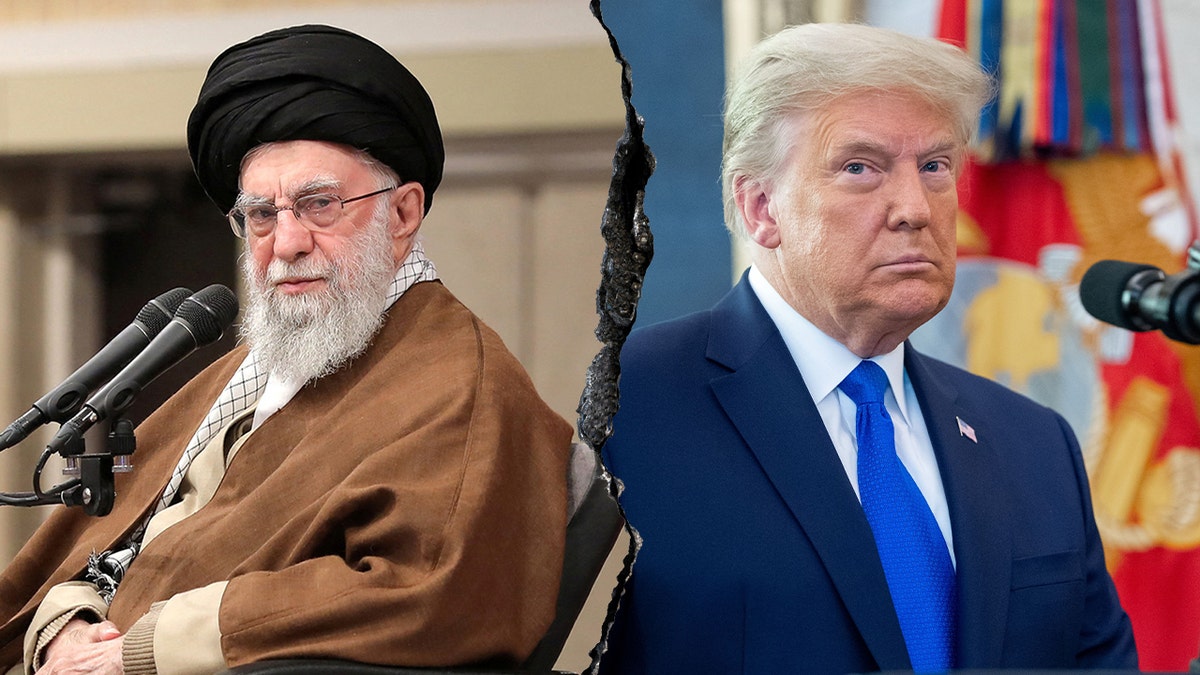
The war of words between the United States and Iran has reached fever pitch, with Supreme Leader Ayatollah Ali Khamenei dismissing American military threats even as President Donald Trump deploys what he calls a “massive armada” toward the region.
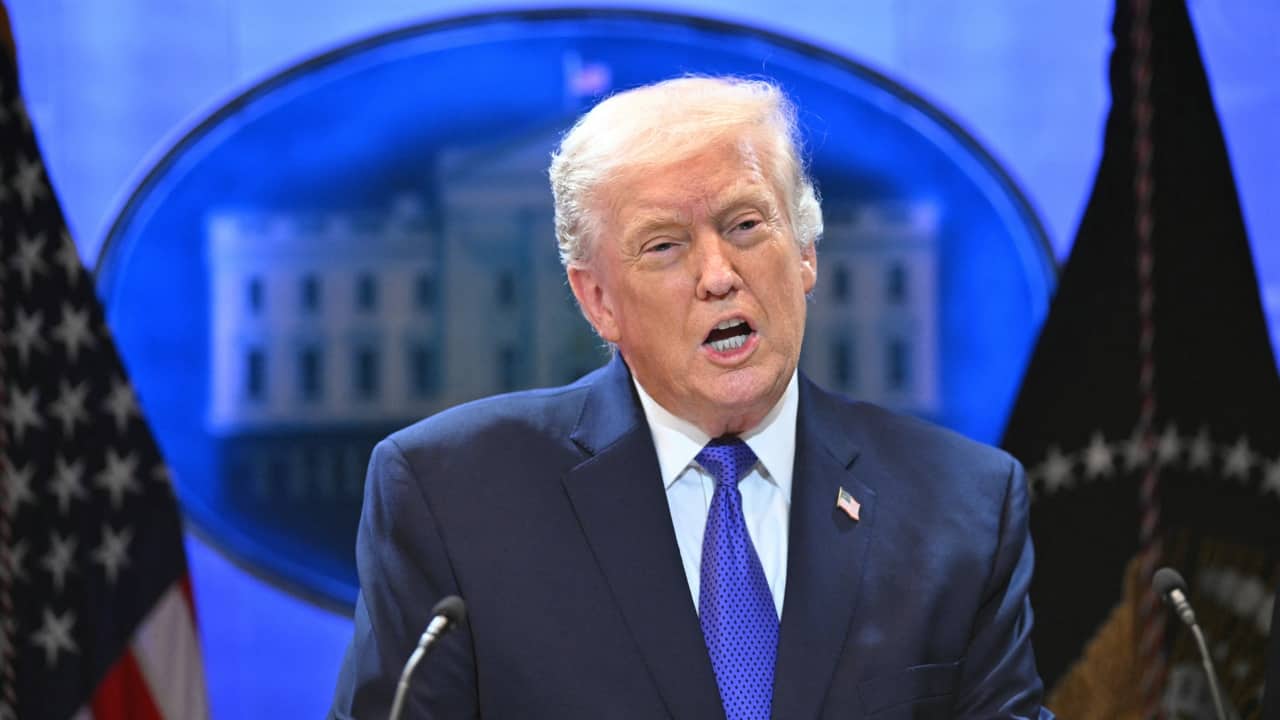
Trump’s response to Khamenei’s Sunday remarks was characteristically blunt. “Of course he would say that,” the president told reporters, before pointing to America’s naval presence in the area. “But we have the biggest, most powerful ships in the world over there, very close, couple of days, and hopefully we’ll make a deal. We don’t make a deal, then we’ll find out whether or not he was right.”
A Deepening Crisis
The current crisis has multiple flashpoints. U.S. strikes on Iranian nuclear facilities in June marked a significant escalation, while Iran’s violent suppression of domestic protests has drawn international condemnation. According to rights groups, thousands have died in the government crackdown.
Trump has made clear his position on Iran’s leadership. In January, he told Politico it was “time to look for new leadership in Iran.” Last month, as protests intensified, he sent a direct message to Iranian demonstrators: “Help is on its way.” He urged them to continue their demonstrations despite the deadly response from security forces.
The military buildup is real. NBC News previously reported that the U.S. has dispatched a carrier strike group, aircraft, and land-based air defense systems to the Middle East. Trump characterized this deployment as even larger than the fleet sent to Venezuela for the recent operation that captured President Nicolás Maduro.
No Talks on the Horizon
Despite the mounting tension, diplomatic channels appear frozen. Iranian Foreign Minister Abbas Araghchi confirmed last week that no talks are currently scheduled between the two nations, though he indicated Iran’s willingness to negotiate if circumstances change.
Trump’s demands are clear: Iran must abandon its nuclear weapons ambitions. In a Truth Social post, he warned that his naval force was “ready, willing, and able to rapidly fulfill its mission, with speed and violence, if necessary.” He called on Tehran to “come to the table” and negotiate what he termed “a fair and equitable deal—NO NUCLEAR WEAPONS—one that is good for all parties.”
The president didn’t shy away from threats, referencing the June strikes and warning that “the next attack will be far worse!”
Iran Issues Its Own Warning
Tehran has matched Washington’s rhetoric with its own stark warnings. Ali Shamkhani, a senior adviser to Iran’s supreme leader, made clear that any American military action would trigger a massive response.
“Any military action by the United States, from any location and at any level, will be considered the start of a war,” Shamkhani said, according to Iran’s state-run IRNA news agency. “The response will be immediate, comprehensive and unprecedented. The aggressor, the heart of Tel Aviv and all those who support the aggressor will be targeted.”
The reference to Tel Aviv signals Iran’s willingness to expand any conflict beyond direct confrontation with American forces, potentially drawing Israel into a wider regional war.
Historical Context
The current crisis has roots in Trump’s first presidential term, when he withdrew the U.S. from the Joint Comprehensive Plan of Action in 2018. That agreement, negotiated under President Barack Obama, had offered Iran sanctions relief in exchange for strict limitations on its nuclear program.
Since abandoning that deal, Trump has pursued what he calls a “maximum pressure” campaign against Iran, combining economic sanctions with the threat of military force. His return to the White House has brought renewed focus to the Iranian nuclear issue, with the president apparently willing to use military strikes to prevent Tehran from developing nuclear weapons.
As both sides continue their dangerous dance of threats and counter-threats, the international community watches nervously. With massive military forces now in position and neither side showing signs of backing down, the risk of miscalculation—or deliberate escalation—remains alarmingly high.