
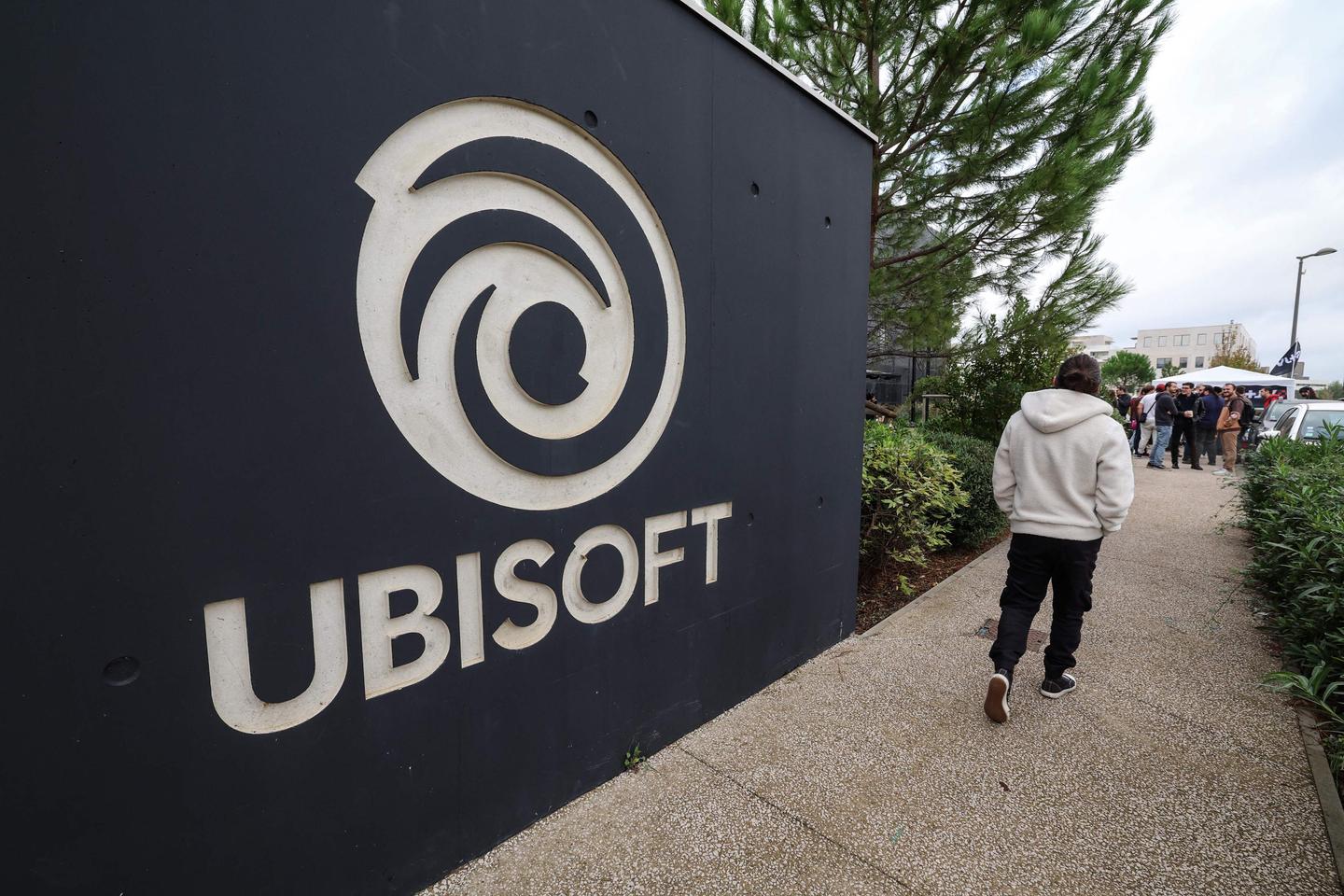
Ubisoft Employee Terminated Following Public Criticism of Return-to-Office Policy- A Ubisoft Montreal team lead and level designer, David Michaud-Cromp, has been terminated only days after receiving a disciplinary suspension for publicly criticizing the company’s new five-day return-to-office (RTO) mandate. The firing has ignited intense debate within the games industry, where developers are increasingly pushing back against what many see as forced office returns framed as “collaboration.”
The controversy began when Michaud-Cromp posted on LinkedIn, responding to Ubisoft’s announcement that employees would be required to return to the office five days a week. In his post, he questioned the sincerity of management’s messaging, arguing that the move was not truly about productivity or teamwork, but instead about control and the need to justify costly office real estate. He also linked to a video reinforcing the idea that mandatory RTO policies are often driven by managerial oversight and sunk costs, rather than measurable gains in performance.
The post quickly gained traction, resonating with developers who have spent years proving that remote and hybrid work models can be effective, particularly in creative and technical roles. For many, Michaud-Cromp’s comments reflected a broader industry frustration: after adapting to remote work during the pandemic, workers are now being told that flexibility is incompatible with collaboration — often without clear evidence to support that claim.
Shortly afterward, Michaud-Cromp published a second LinkedIn update stating that Ubisoft had informed him of a three-day unpaid disciplinary suspension, effective immediately. According to his statement, the suspension was explicitly tied to his public comments regarding the RTO policy and justified by Ubisoft as an “alleged breach of the duty of loyalty.” He emphasized that he was sharing the information for transparency purposes and said he would make no further public comment at the time.
Within days, the situation escalated further. Michaud-Cromp was terminated, a move that many industry observers view as retaliatory and disproportionate. While Ubisoft has not publicly detailed the reasons for the termination, the timing has led to widespread skepticism about the company’s claims and raised concerns about how far employers are willing to go to silence internal criticism.
The notion of a “duty of loyalty” has become a focal point of the discussion. While employees are generally expected not to harm their employer’s interests, critics argue that voicing concerns about workplace policies — especially on professional networks like LinkedIn — should not constitute disloyalty. Instead, they see such speech as part of a healthy industry dialogue, particularly when those policies directly affect workers’ lives, finances, and mental health.
Michaud-Cromp’s firing comes amid a broader wave of return-to-office mandates across the tech and games sectors, many of which have been met with resistance. Developers have pointed out that game production continued — and in many cases thrived — during remote work periods, calling into question the necessity of full-time office presence. For studios already grappling with layoffs, burnout, and morale issues, heavy-handed RTO enforcement risks further eroding trust between management and staff.
For some, the case represents a chilling precedent. If a senior developer and team lead can be suspended and then fired for publicly questioning company policy, others may think twice before speaking out. That potential chilling effect extends beyond Ubisoft, signaling to workers across the industry that public dissent may carry career-ending consequences.
As debate continues, Michaud-Cromp’s termination has become a flashpoint in the ongoing struggle over worker autonomy, corporate control, and the future of work in game development. Whether Ubisoft’s actions will face legal or reputational consequences remains to be seen, but the message many developers are taking away is already clear — and deeply troubling.
Trying to keep up with what’s coming to Xbox Game Pass in February 2026? | Maya


:max_bytes(150000):strip_icc():focal(705x379:707x381)/Sebastian-Stan-Annabelle-Wallis-Women-In-Motion-dinner-051826-tout-cb5c06d2237e42a393ef5ebdc1c86b3d.jpg "Sebastian Stan’s Cannes Speech Is Going Viral for One Reason")