Why Milano Cortina 2026 Could Be the Most Inspiring Winter Games Yet – Italy is holding its breath as the Milano Cortina 2026 Winter Olympic Games move from years of planning into the reality of competition. With the first events about to unfold and the Opening Ceremony just around the corner, organizers say the Games are ready — not just in terms of venues and logistics, but in spirit. From the fashion capital of Milan to the snow-covered peaks of the Dolomites, anticipation is building for a Winter Olympics that promises to look and feel different from any before it.
A Games spread across a nation
What immediately sets Milano Cortina 2026 apart is its geography. This will be the most geographically dispersed Winter Olympics in history. Instead of concentrating events in a single mountain hub, competitions are spread across northern Italy in a “multi-cluster” model designed to use existing venues and reduce long-term environmental impact.
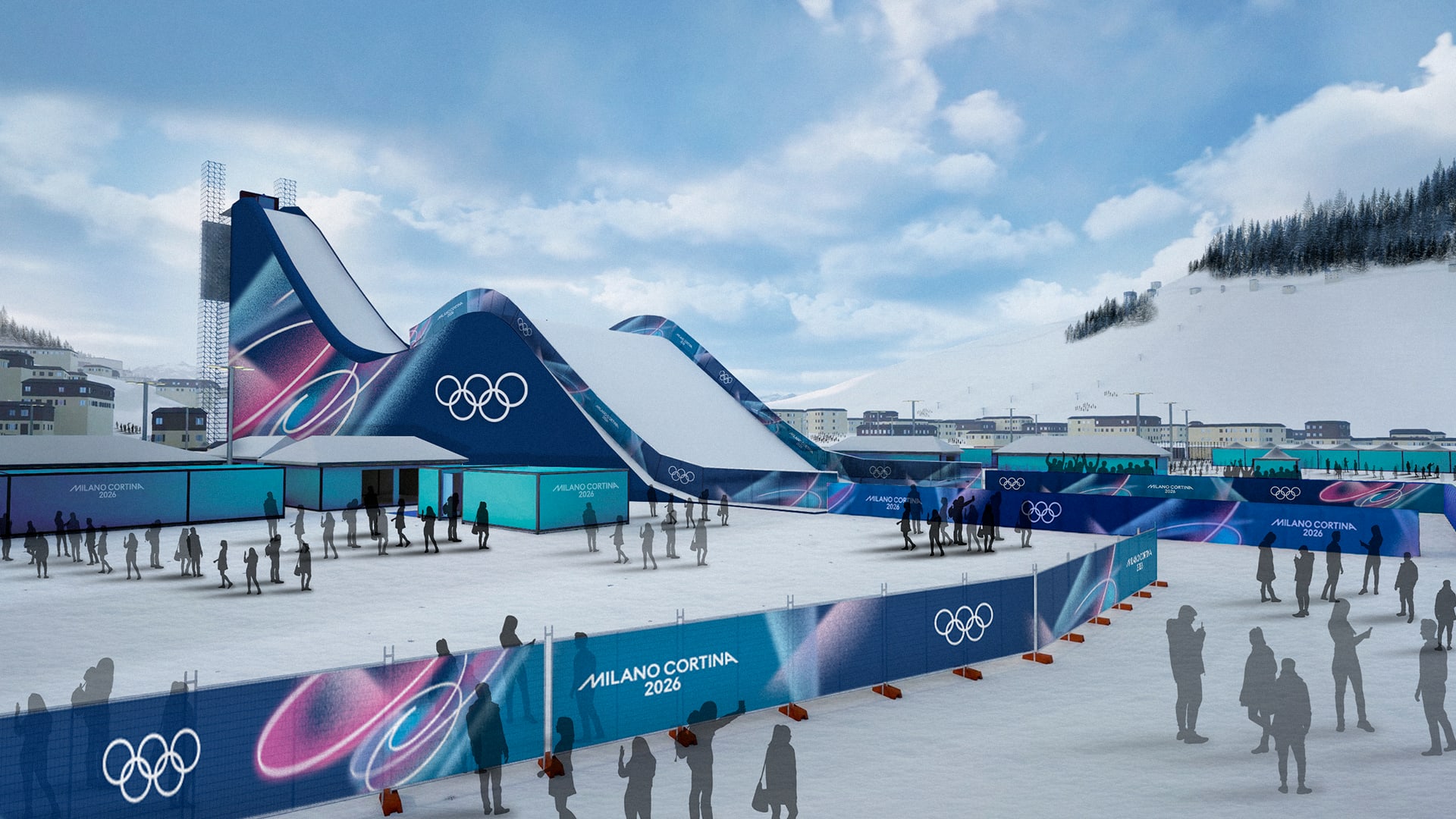
Milan hosts the Opening Ceremony and ice events such as figure skating and short track speed skating, bringing Olympic energy into a major global city. Cortina d’Ampezzo, long associated with alpine skiing and Olympic history, once again becomes a focal point for mountain sports. Bormio stages men’s alpine skiing, Anterselva welcomes the biathlon world, Livigno hosts freestyle and snowboard events, and Predazzo and Tesero form the heart of Nordic skiing competition.
This layout reflects a deliberate shift in how the Olympic Games are delivered. Rather than building an entirely new Olympic city, Italy has leaned into its existing sporting heritage, linking regions through transport, technology, and shared celebration.
First events and the road to the Opening Ceremony
While the Opening Ceremony will officially mark the start of the Games, some competitions begin just beforehand, a familiar feature of modern Olympics. Athletes have already started arriving in the Olympic villages, completing final training sessions and adapting to local conditions.
Organizers have emphasized that all competition venues are operational, tested, and fully staffed. Transport systems connecting the various clusters have undergone extensive trial runs, while volunteers — tens of thousands of them — are now in place across venues, stations, and fan zones.
The Opening Ceremony itself, staged at Milan’s iconic San Siro stadium, is expected to blend Italy’s cultural identity with winter sport spectacle. While details remain tightly guarded, organizers have promised a celebration that combines tradition, innovation, and a distinctly Italian sense of style.
What will actually happen during the Games
Across 17 days of competition, more than 2,900 athletes from around the world will compete for medals in disciplines ranging from alpine skiing and ice hockey to curling and cross-country skiing. Familiar events will be joined by newer additions that reflect the evolving nature of winter sport.
Ski mountaineering makes its Olympic debut, highlighting endurance, technical skill, and mountain tradition. Mixed-gender team events feature prominently across sports, underlining the Games’ emphasis on gender equality and modern competition formats.
Beyond the medals, daily life at Milano Cortina 2026 will include fan festivals, cultural showcases, and live viewing sites across host cities and mountain towns. Organizers want spectators — whether they hold tickets or not — to feel part of the Olympic experience, with local food, music, and regional traditions woven into the atmosphere.
A strong focus on sustainability
Sustainability has been one of the defining themes of Milano Cortina 2026. The organizers have repeatedly described the Games as a “model for the future,” aiming to demonstrate how large-scale sporting events can reduce waste, reuse infrastructure, and leave a positive legacy.
More than 90 percent of competition venues already existed before the Games or were temporary structures designed to be dismantled afterward. Where construction was necessary, it focused on long-term community use rather than short-lived Olympic grandeur.
Energy efficiency, public transport use, and carbon-reduction measures have been built into planning at every level. While the true environmental impact will only be measurable after the Games conclude, Milano Cortina 2026 represents a clear attempt to answer long-standing criticism of Olympic excess.
Security, fairness, and logistics
Behind the scenes, Italy has implemented one of its most complex security operations ever. A central command system coordinates police, emergency services, transport authorities, and international partners across the wide Olympic footprint. The challenge lies not only in protecting athletes and spectators, but also in ensuring smooth movement between distant venues.
At the same time, sporting integrity has been a major focus. Anti-doping authorities have carried out extensive testing in the lead-up to the Games, with further controls planned throughout the competition period. Organizers say this is about protecting clean athletes and maintaining trust in Olympic competition.
What makes these Games emotionally different
Milano Cortina 2026 arrives at a time when the world is still navigating uncertainty — from global political tensions to climate concerns and economic pressures. In that context, the Games carry an emotional weight beyond sport.
For Italy, this is a chance to present itself as open, resilient, and forward-looking. For athletes, many of whom have trained through disrupted seasons and unpredictable conditions, simply reaching the start line is a victory. For fans, the Games offer a shared moment — a pause to celebrate excellence, effort, and international connection.
The blend of urban and alpine settings also creates a unique emotional rhythm. One day the Olympics unfold amid skyscrapers and historic stadiums; the next, among forests and mountain passes. That contrast reflects the broader story of these Games: tradition meeting modernity, heritage meeting innovation.
New faces, old legends
Milano Cortina 2026 will showcase a new generation of winter athletes alongside established stars chasing final Olympic moments. Some will be competing in their home country, carrying the hopes of Italian fans. Others will be aiming to cement legacies built across multiple Games.
The spread-out nature of the venues means athletes will experience the Olympics differently too, spending time in smaller mountain communities rather than a single massive Olympic hub. Many have spoken about the appeal of competing in places with deep sporting history and local character.
The legacy question
Every Olympic Games is judged not only by what happens during competition, but by what remains afterward. Organizers hope Milano Cortina 2026 will leave behind improved transport links, upgraded sports facilities, and stronger connections between regions.
There is also an ambition to reshape expectations of what hosting the Olympics looks like — proving that collaboration between cities and regions can work, and that the Games do not need to overwhelm a single host.
As the dream begins
As the first events begin and the Olympic flame prepares to be lit, Milano Cortina 2026 stands at a moment of transition. Years of planning give way to the unpredictability of sport: weather changes, surprise champions, heartbreaks, and triumphs.
What is certain is that Italy is ready to welcome the world. From Milan’s grand avenues to the quiet intensity of mountain venues, the Winter Olympic dream is about to begin — not in one place, but across an entire nation united by snow, ice, and the promise of something extraordinary.