Blocking a Bridge? Why Trump’s Tough Stance on Canada Could Win Big for U.S. Jobs
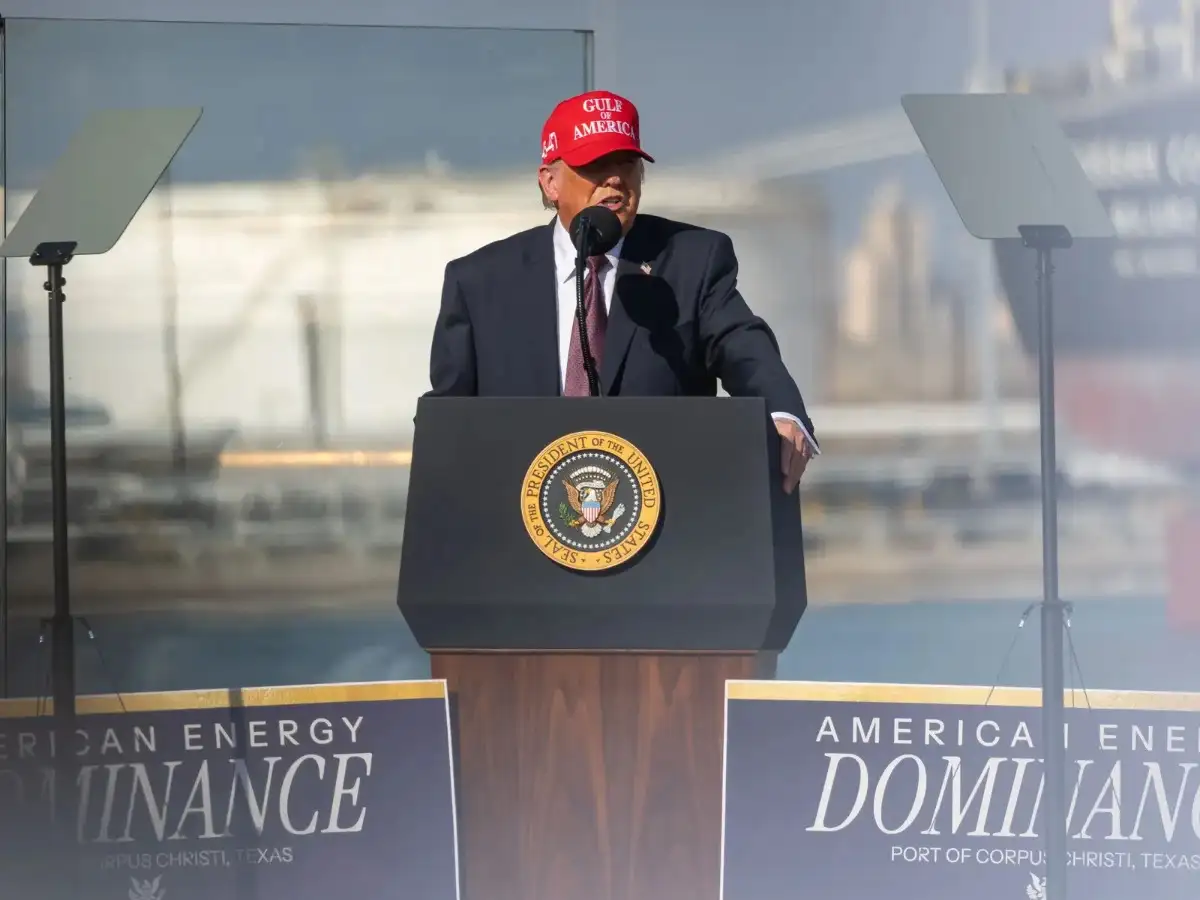
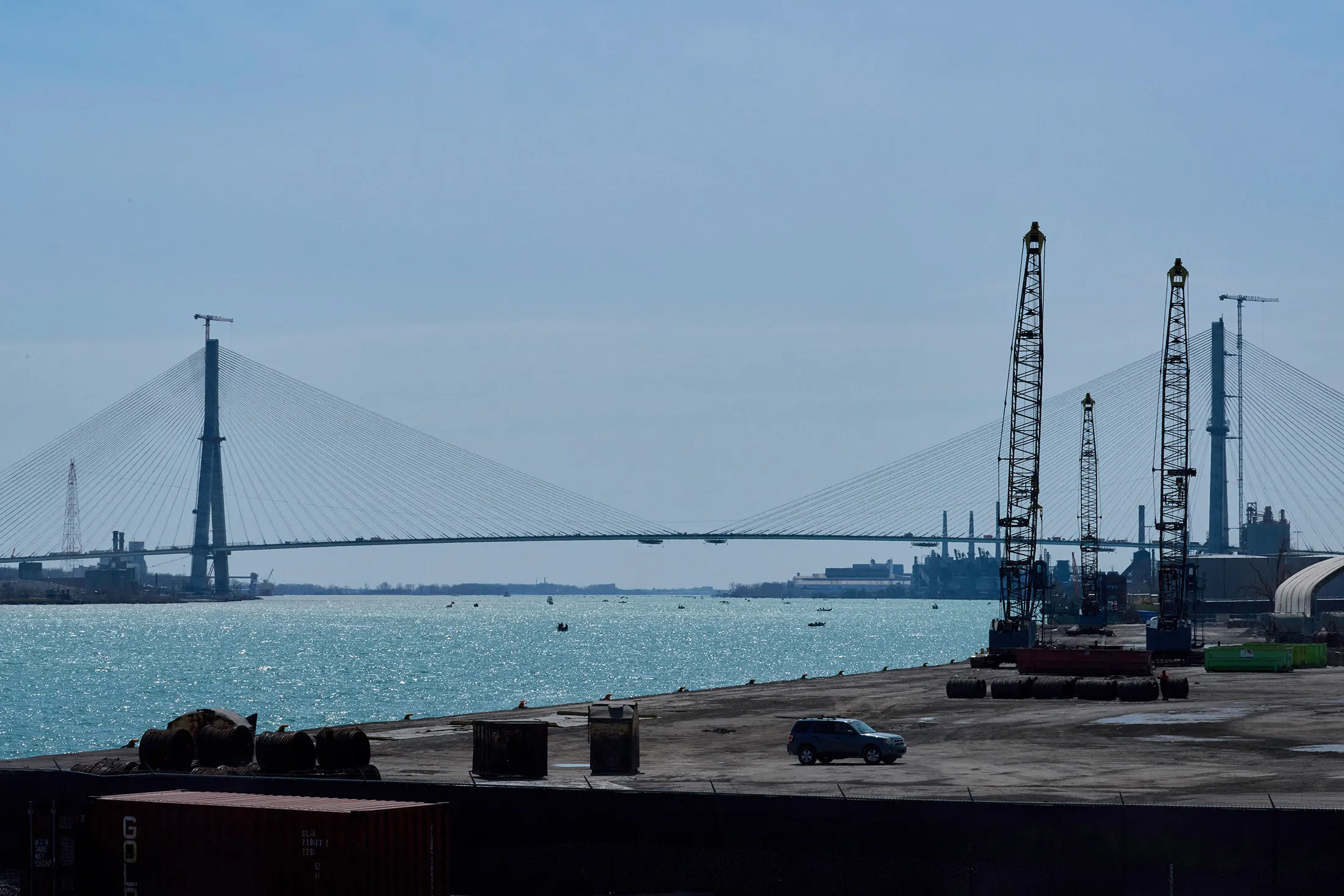
LANSING, Mich. — President Donald Trump is once again in the national spotlight, this time for a bold and controversial threat regarding the long-awaited Gordie Howe International Bridge connecting Detroit, Michigan, and Windsor, Ontario. The bridge, a $4.6 billion infrastructure project years in the making, has been hailed as a critical artery for trade between the United States and Canada. But Trump’s recent warnings that he could block its opening have sparked fierce debate — and support from some of Michigan’s top Republican leaders — over whether such a move could actually benefit American workers and the economy.
Trump’s warning came in a series of public statements, where he claimed that unless Canada agreed to renegotiate certain trade arrangements, the bridge would remain unopened. Specifically, the former president argued that Canada must ensure trade deals are fair and reciprocal and that they do not undercut U.S. industries by striking separate agreements with rivals like China.
“It’s simple,” Trump said. “The United States holds all the cards here. We’ve invested, we’ve built, and we deserve to be treated fairly. If Canada wants access to our market and our workers’ products, they need to negotiate in good faith.”
Michigan Republicans back the approach
Michigan House Speaker Matt Hall (R‑Richland Township) and U.S. Rep. John James (R‑Mich.), a frontrunner in the GOP governor’s race, both defended Trump’s tough stance. They framed the threat not as an act of obstruction but as strategic leverage to protect U.S. economic interests.
“Sometimes you have to hold firm to get a fair deal,” Hall told reporters. “This is about ensuring that Michigan workers and American businesses are not left at a disadvantage while Canada explores deals with other nations that could hurt us.”
James echoed this view, describing the potential use of the bridge as leverage as a legitimate negotiating tactic. “We’re talking about millions of jobs and billions in trade. If that means being firm on infrastructure approvals to make sure our country comes first, then that’s exactly what we should do,” he said.
Both leaders emphasized that this is not about stopping trade but about making sure it is fair and balanced. In their view, the threat underscores the United States’ position as a strong trading partner that demands respect in international negotiations.
The economic stakes
The Gordie Howe International Bridge is expected to ease congestion at Detroit’s existing crossings, provide faster routes for commercial trucking, and strengthen supply chains critical to the automotive and manufacturing sectors. Critics, however, argue that delaying or blocking the bridge could disrupt these industries and hurt Michigan’s economy.
Supporters of Trump’s stance, however, contend that the move could actually protect domestic jobs. By pressuring Canada to prioritize U.S. goods and materials and ensure fair trade practices, the bridge could serve as a bargaining chip that strengthens American labor, particularly in industries like automotive manufacturing, logistics, and construction.
“The idea is to make sure that American companies are first in line for contracts and trade opportunities,” said a Republican strategist familiar with the discussions. “If that means using infrastructure leverage, it’s just smart negotiation.”
Critics push back
Democratic lawmakers and business groups have been quick to criticize Trump’s approach. They argue that blocking a major trade route could raise costs for businesses, delay shipments, and damage Michigan’s economy, which relies heavily on cross-border commerce. Some also point out that Trump previously supported the bridge during his first term, raising questions about consistency in policy.
“Threatening to close a bridge that has been years in the making puts our economy and our workers at risk,” said a Michigan Democrat. “We should be finding ways to strengthen trade relationships, not use critical infrastructure as a political bargaining chip.”
Broader implications for U.S.-Canada trade
Trump’s warning comes amid broader tensions over U.S.–Canada trade relations, including disputes over tariffs, agricultural exports, and manufacturing contracts. While the bridge itself is funded mainly by Canada, U.S. businesses and workers stand to benefit from smoother and faster transport across the border — if trade agreements are structured in a way that prioritizes American interests.
Analysts suggest that Trump’s approach could signal a shift in how infrastructure is used as leverage in international diplomacy. “This is about making trade negotiations tangible,” said an economist specializing in North American trade. “By connecting economic outcomes directly to physical projects like the Gordie Howe Bridge, the U.S. can exert real pressure to ensure favorable terms.”
In Summary
Whether Trump’s threat will lead to a better deal for American workers or spark economic complications remains to be seen. What is clear is that the conversation around the Gordie Howe Bridge has evolved from a simple infrastructure story into a high-stakes debate over trade, jobs, and America’s negotiating power on the international stage.
For Trump supporters and Michigan Republicans like Hall and James, the message is simple: sometimes, blocking a bridge might just be the strongest way to put American jobs first.
NSW Expert Criticizes Police Handling of Sydney Rally Against Israeli President’s Visit | Maya