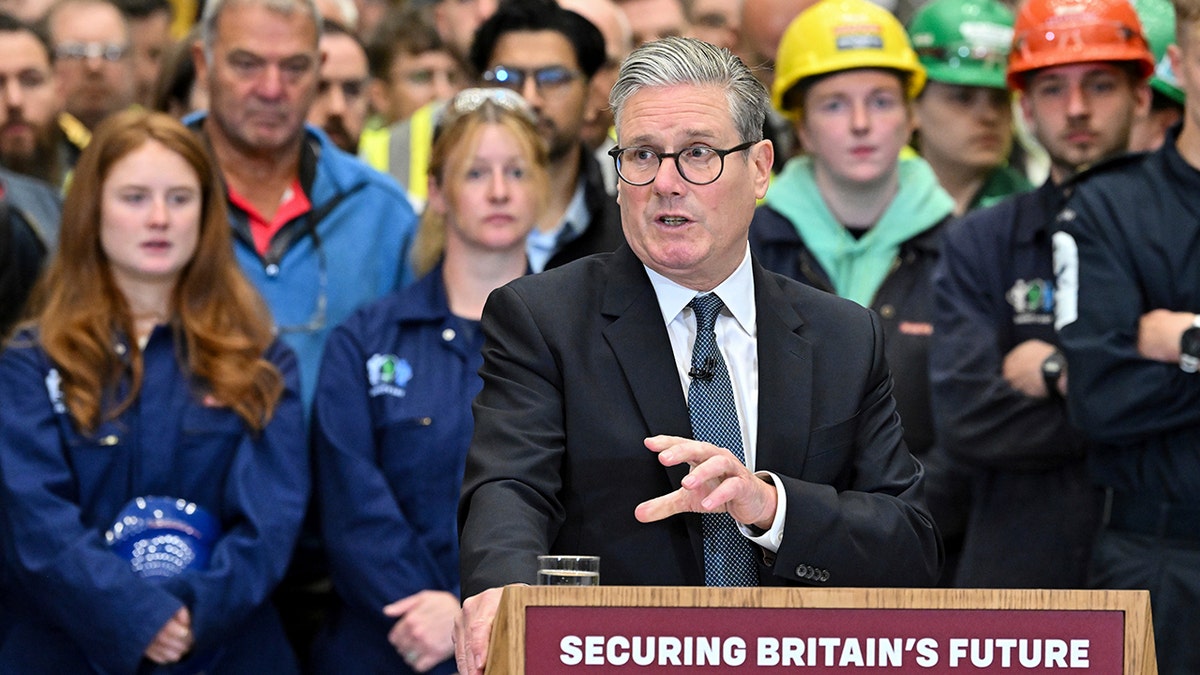
Britain Is Ready for War, Starmer Tells Europe in Fiery Munich Speech- At the Munich Security Conference in Munich, Prime Minister Keir Starmer used one of Europe’s most prominent defence stages to deliver a blunt assessment: the security landscape is shifting rapidly, Russia remains a mounting threat, and Britain must rethink both its military posture and its relationship with the European Union.
Starmer’s speech blended urgency with strategic recalibration. He warned that the sense of stability Europe has relied on for decades is eroding, describing a continent that can no longer assume peace is self-sustaining. Russia’s invasion of Ukraine, he argued, is not an isolated conflict but evidence of a broader willingness to challenge European security norms. Even if a settlement is eventually reached, he cautioned, Moscow’s military ambitions are unlikely to diminish.
In response, Starmer called for a decisive strengthening of Europe’s “hard power.” Deterrence, he said, must be credible — and credibility requires investment, readiness, and unity. Europe cannot afford hesitation. “We must be able to deter aggression,” he told delegates, adding that preparedness must extend to the possibility of direct confrontation if deterrence fails.
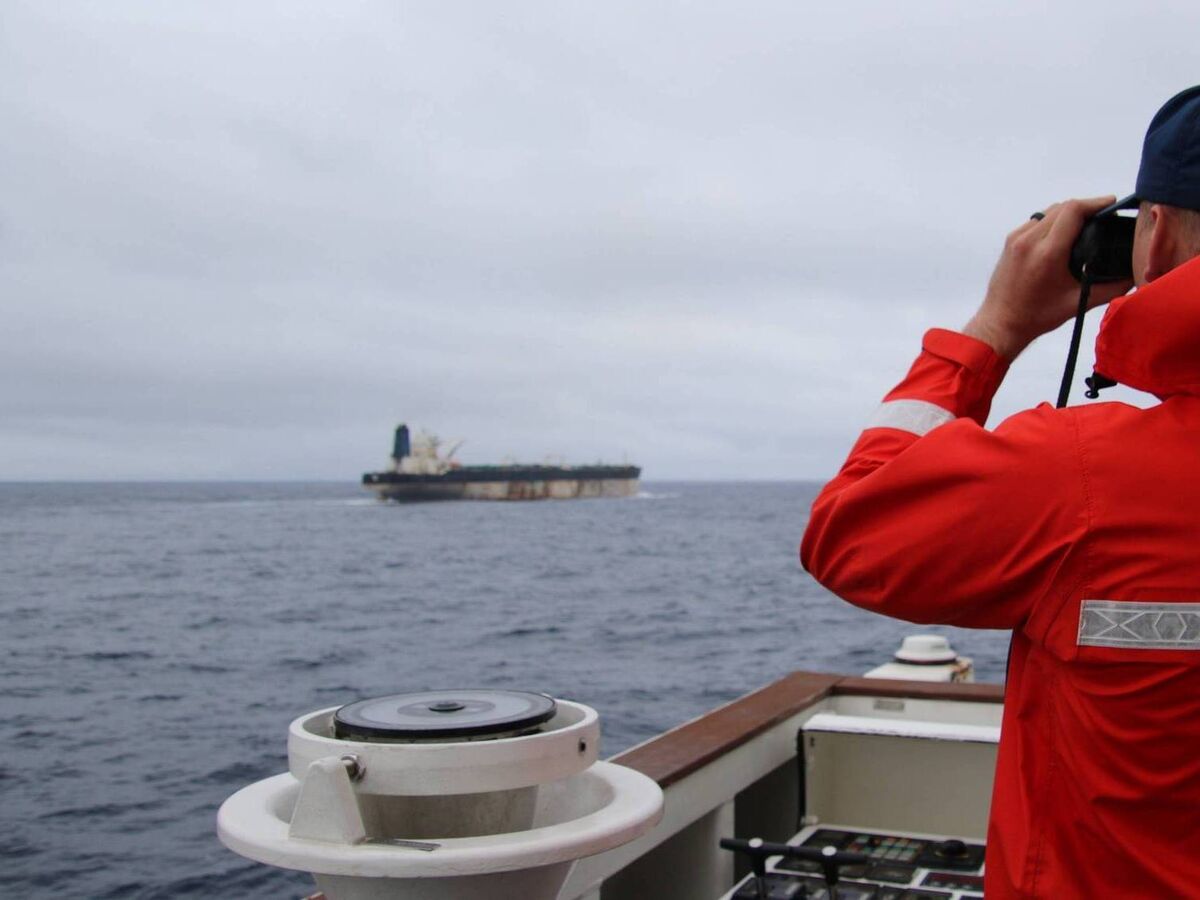
The prime minister underscored Britain’s commitment with a concrete pledge: the deployment of the UK’s carrier strike group to the Arctic later this year. The move signals a sharpened focus on the High North, where strategic competition has intensified. The Arctic has drawn particular attention following renewed remarks by U.S. President Donald Trump about Greenland, a territory of growing geopolitical interest. While Starmer did not directly engage with those comments, the planned deployment reflects Britain’s intent to remain deeply engaged in northern European security.
Yet the speech was not solely about military posture. In a significant political shift, Starmer signaled a readiness to reset Britain’s economic relationship with Brussels. He described the current EU-UK framework as inadequate and said his government would pursue deeper economic integration with the bloc. That includes exploring closer alignment with the single market in selected sectors where cooperation could deliver mutual benefits.
For a country still navigating the aftershocks of Brexit, the message was striking. Starmer emphasized that Britain’s future influence depends on engagement rather than isolation. “We are not the Britain of the Brexit years anymore,” he said, arguing that national sovereignty is strengthened — not weakened — by strategic partnership in an interconnected world.
The prime minister framed economic alignment as a security imperative. Stronger trade ties, he suggested, would stimulate growth, bolster industrial capacity, and ultimately fund higher defence spending. In his view, prosperity and protection are inseparable. A thriving European economy, with Britain at its core, would reinforce collective resilience against external threats.
His remarks align with a broader shift within NATO toward greater European responsibility. NATO Secretary General Mark Rutte has called for a more European-led approach to defence, encouraging member states to increase their contributions and capabilities. Meanwhile, U.S. Secretary of State Marco Rubio reiterated in Munich that while transatlantic ties remain foundational, allies must be capable of defending themselves.
Starmer positioned the UK as a bridge between these perspectives. He insisted that Britain does not face a choice between Washington and Brussels. Instead, he argued that the country’s security depends on close cooperation with both. “There is no British security without Europe and no European security without Britain,” he declared, presenting the partnership as historically grounded and strategically unavoidable.
The prime minister also acknowledged that closer EU alignment would not be politically effortless. Trade-offs, he admitted, are inevitable. However, he maintained that the alternative — maintaining the current arrangement without adjustment — would leave Britain less secure and less prosperous in an increasingly volatile global environment.
Domestically, the speech comes at a moment of scrutiny for Starmer’s leadership. But in Munich, he projected confidence, emphasizing unity within his government on Ukraine, defence spending, and European cooperation. He portrayed Britain as ready to lead in what he described as a generational transformation of defence industrial collaboration across the continent.
As geopolitical tensions rise and alliances recalibrate, Starmer’s message was clear: Britain intends to move beyond the defensive posture of the Brexit era. Faced with a more assertive Russia and an evolving transatlantic dynamic, the UK is seeking not only to strengthen its armed forces but also to redraw its economic and strategic alignment with Europe.
The reset he signaled in Munich may prove to be one of the defining shifts of his premiership — an attempt to anchor Britain firmly within Europe’s security architecture while navigating a world where power, deterrence, and partnership are once again at the forefront of politics.
Is the U.S. Preparing for a Weeks-Long War With Iran? | Maya