
Chinese New Year 2026 Celebrations in Indonesia, South China, and Beyond
The Chinese New Year 2026, also known as Lunar New Year or Spring Festival, is a time of joy, renewal, and cultural reflection. Across the world, from the bustling streets of South China to the vibrant communities of Indonesia, and even to overseas diaspora communities, families and communities are preparing to welcome the Year of [Zodiac] with age-old traditions, festive meals, and colorful celebrations.
This year, the festival promises not only an opportunity for family reunions but also a celebration of shared heritage and cultural bonds that transcend national borders. Communities in Southeast Asia and the South China Sea region continue to highlight how Chinese New Year strengthens identity, preserves customs, and fosters hope for the future.
A Festival of Tradition and Family
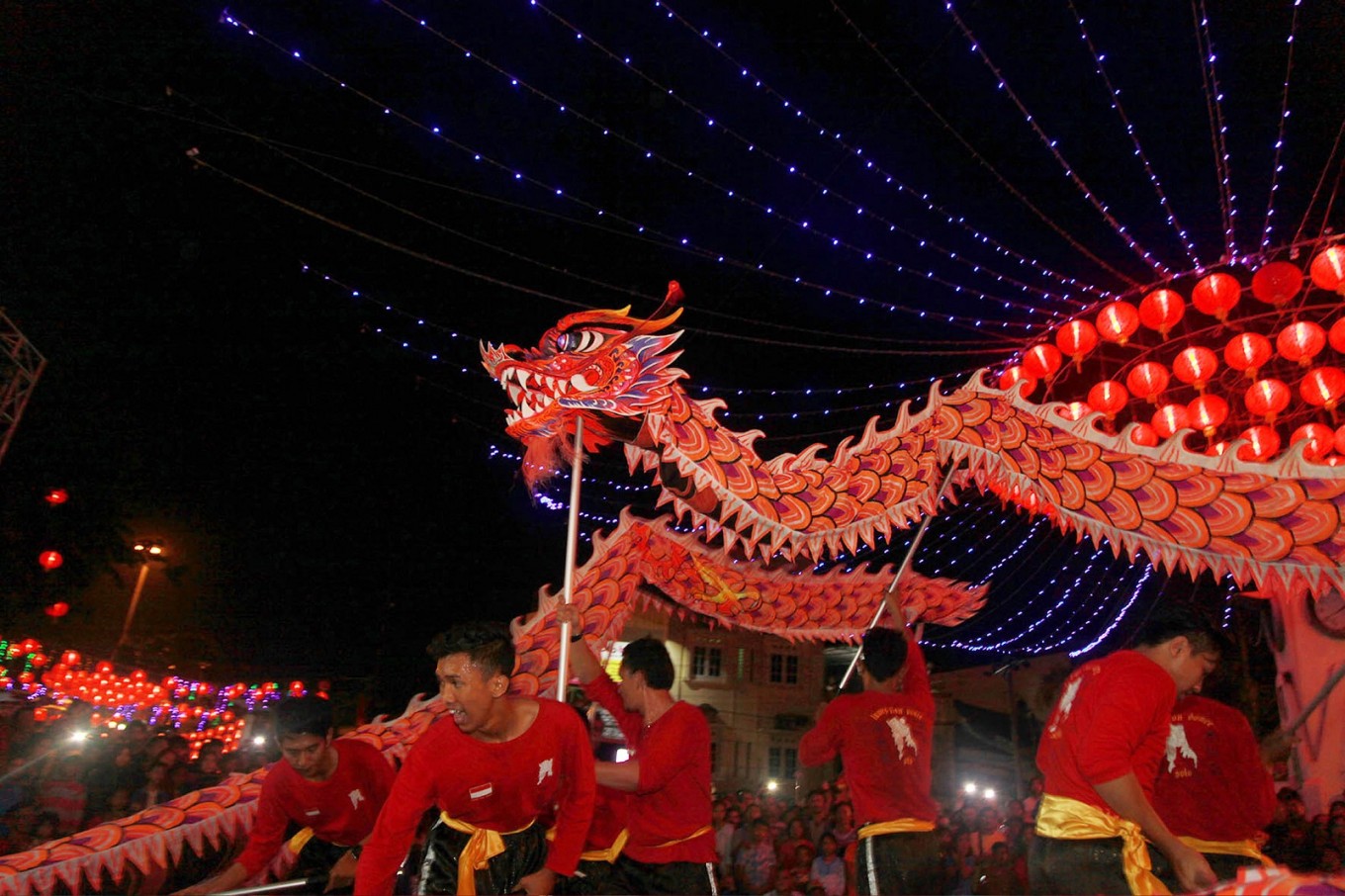
Chinese New Year is celebrated according to the lunisolar calendar, marking the start of a new year with the promise of prosperity, health, and happiness. In South China, particularly in Guangdong, Fujian, and coastal provinces, the celebrations are steeped in centuries-old customs. Streets come alive with lantern displays, dragon and lion dances, and temple fairs, while families prepare symbolic meals and visit ancestral shrines.
One of the festival’s most important themes is family reunion. The Chunyun, or Spring Festival travel season, sees millions returning home to celebrate with relatives, often traveling great distances. Dinner on New Year’s Eve, known as reunion dinner, features traditional dishes symbolizing luck, prosperity, and longevity, including dumplings, fish, glutinous rice cakes, and spring rolls.
Chinese New Year in Indonesia
In Indonesia, where a significant Chinese-Indonesian population celebrates the festival as Imlek, Chinese New Year has become a vibrant cultural event. Major cities like Jakarta, Medan, Surabaya, and Semarang host public parades, dragon dances, and night markets, drawing both locals and tourists.
Family traditions in Indonesia include preparing Yusheng, a raw fish salad representing abundance, and nian gao, a sticky rice cake symbolizing growth and advancement. In addition to food, red decorations and red envelopes (angpao) are used to bring good fortune to children and unmarried adults.
What makes Indonesian celebrations unique is the blending of Chinese heritage with local customs. Communities often incorporate traditional Batik patterns into decorations, or add local ingredients to festival foods, showcasing how Chinese New Year has adapted and thrived outside China while retaining its symbolic significance.
Cultural Bonds Across the South China Sea Region
The South China Sea region—including coastal China, Vietnam, Malaysia, and the Philippines—is home to Chinese communities that have celebrated Lunar New Year for centuries. In these areas, the festival reinforces historical, cultural, and economic connections across borders.
In Vietnam, the Lunar New Year, known as Tết Nguyên Đán, shares many similarities with Chinese New Year, such as family reunions, ancestral offerings, and symbolic dishes for luck and prosperity. Communities in Malaysia and the Philippines also host street parades, lantern festivals, and temple rituals, reflecting centuries of Chinese migration and trade.
Maritime communities in the South China Sea often combine traditional prayers for prosperity with rituals for safe fishing and trade, demonstrating how the festival has local relevance while preserving shared Chinese cultural practices. These celebrations highlight the interconnectedness of culture and commerce across the region.
Symbols, Rituals, and the Spirit of Renewal
Across all regions, Chinese New Year is rich in symbolism and rituals. Red is the dominant color, believed to ward off evil spirits and bring good luck. Homes and public spaces are decorated with red lanterns, banners, and couplets inscribed with auspicious messages.
Foods play an equally important role. Dumplings symbolize wealth, fish represents abundance, and sticky rice cakes stand for progress. In Indonesia and Southeast Asia, these foods are often adapted to local tastes, blending flavors while maintaining their symbolic meaning.
Giving red envelopes (hongbao or angpao) is a cherished custom, intended to bless children and unmarried adults with health, prosperity, and good fortune. This tradition has spread globally, becoming a hallmark of Chinese New Year celebrations in diaspora communities.
Modern Celebrations and Global Connections
While rooted in tradition, Chinese New Year has evolved into a global festival celebrated far beyond Asia. Cities across North America, Europe, and Oceania host parades, cultural exhibitions, and public performances. These events provide opportunities for people of all backgrounds to experience Chinese culture, from lion dances to calligraphy demonstrations and traditional music.
In modern celebrations, technology also plays a role. Social media platforms and messaging apps are used to send digital greetings, stream live events, and share family celebrations across continents. Despite these modernizations, the core values of family, respect, and renewal remain central.
Chinese New Year as a Symbol of Hope and Unity
At its heart, Chinese New Year is a festival of hope, renewal, and unity. It is a time to leave behind the difficulties of the past year, honor ancestors, and look forward to opportunities ahead. The celebrations in Indonesia, South China, and the South China Sea region illustrate how the festival strengthens community bonds, fosters cultural pride, and encourages intergenerational learning.
The festival also serves as a reminder of the resilience of communities. Whether through elaborate parades, traditional culinary practices, or temple rituals, the celebration highlights the enduring power of culture to connect people across time and space.
Preserving Cultural Heritage Across Generations
One of the most important aspects of Chinese New Year is its role in passing down traditions. Families teach children traditional songs, dances, rituals, and cooking techniques, ensuring that cultural identity thrives across generations. In diaspora communities, particularly in Indonesia and the South China Sea region, these practices help younger generations connect with their heritage while fostering understanding among local populations.
Through these shared celebrations, Chinese New Year reinforces the importance of cultural preservation, unity, and global community—values that remain relevant in today’s increasingly interconnected world.
Final Thoughts
As lanterns glow, fireworks light up the night sky, and families gather for reunion dinners, Chinese New Year 2026 is a celebration of life, tradition, and hope. From the streets of South China to the neighborhoods of Indonesia and the islands of the South China Sea, the festival unites people through shared customs, cultural heritage, and a collective aspiration for prosperity in the year ahead.
The Lunar New Year is more than a festival; it is a bridge connecting generations, countries, and cultures. It reminds us of the enduring human desire for family, harmony, and renewal, inspiring optimism wherever it is celebrated.
As the Year of [Zodiac] begins, communities around the world continue to honor traditions, strengthen bonds, and look forward to a year filled with joy, health, and prosperity.
Ghost of Yotei Legends Set for March 2026 Release as Free Co-Op Expansion | Maya


