
Eclipses, Meteor Showers, and Comets: How to See Them in 2026
The night sky in 2026 promises to be spectacular for stargazers and astronomy enthusiasts. From dramatic eclipses to dazzling meteor showers and passing comets, there are multiple opportunities to witness the wonders of the cosmos. Understanding when, where, and how to see these events ensures you won’t miss any celestial magic.
Eclipses in 2026
Eclipses occur when the Sun, Moon, and Earth align in specific ways, producing solar or lunar eclipses.
Solar Eclipses
A solar eclipse happens when the Moon passes between Earth and the Sun, temporarily blocking sunlight. In 2026, the notable solar eclipse will occur on August 12, and it will be visible as a partial eclipse across parts of Europe and northern Africa. Observers in the path of totality may see the Sun completely obscured, creating a rare and awe-inspiring sight.
Viewing Tips:
-
Never look directly at the Sun without certified solar viewing glasses.
-
Use pinhole projectors or solar filters to safely observe the eclipse.
-
Check local timings to catch the peak of totality or maximum coverage.
Lunar Eclipses
Lunar eclipses occur when Earth casts its shadow on the Moon. Unlike solar eclipses, lunar eclipses are safe to watch with the naked eye. In 2026, a partial lunar eclipse is expected on March 14–15, visible across the Americas, Europe, and Africa.
Viewing Tips:
-
Find a location away from city lights for the best visibility.
-
Bring binoculars or a small telescope to observe lunar surface details.
-
Note the changing color of the Moon as it moves through Earth’s shadow.
Meteor Showers to Watch
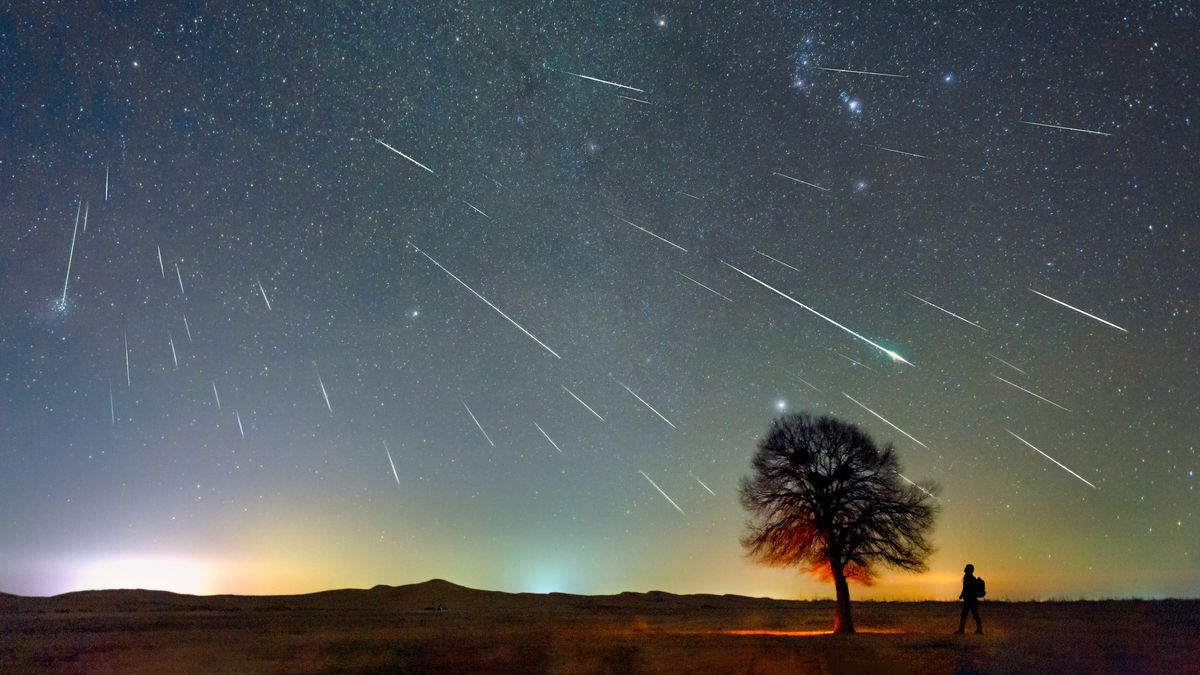
Meteor showers occur when Earth passes through debris left behind by comets. 2026 offers several prominent showers:
Quadrantids – January 3–4
Known for bright and fast meteors, the Quadrantids peak in early January. Observers in the Northern Hemisphere are best positioned to see them, with up to 120 meteors per hour under dark skies.
Perseids – August 12–13
The Perseids are one of the most reliable meteor showers of the year. In 2026, they will peak around mid-August, coinciding with minimal moonlight, making them particularly spectacular.
Geminids – December 13–14
Geminids are famous for colorful meteors that can appear yellow, green, or blue. The 2026 peak occurs in mid-December, providing excellent conditions for late-night stargazing.
Meteor Shower Tips:
-
Choose a dark, open location far from streetlights.
-
Give your eyes 15–20 minutes to adjust to darkness.
-
Lie on a blanket and look up at the sky to increase your field of view.
Comets Passing by in 2026
Comets are icy visitors from the outer solar system, creating bright tails as they approach the Sun. Several notable comets are expected in 2026:
Comet 12P/Pons-Brooks
Returning after a long orbit, 12P/Pons-Brooks may become visible to the naked eye in mid-2026. Its bright tail could provide stunning views for observers in the Southern Hemisphere.
Comet C/2025 Q5
Predicted to reach favorable viewing conditions in late 2026, this comet may appear near bright stars, making it easier to locate with binoculars or a small telescope.
Comet Viewing Tips:
-
Use apps or star maps to locate the comet’s position in the sky.
-
Early morning hours often provide the clearest viewing before twilight.
-
Bring binoculars to enhance faint comet tails and surrounding star fields.
Tips for Optimal Stargazing
To enjoy all these events in 2026, keep these general stargazing tips in mind:
-
Check Weather Forecasts: Clear skies are essential for observing eclipses, meteors, and comets.
-
Avoid Light Pollution: Head to rural or high-altitude areas for darker skies.
-
Be Prepared: Bring blankets, warm clothing, and snacks for long viewing sessions.
-
Use Technology: Astronomy apps can track celestial events in real-time and provide alerts for upcoming peaks.
The Joy of Watching the Night Sky
Experiencing eclipses, meteor showers, and comets reminds us of our connection to the cosmos. Each event tells a story of celestial mechanics, ancient orbits, and the passage of time. 2026 offers multiple opportunities to witness these wonders firsthand, whether you are a casual observer or a dedicated astronomer.
By planning ahead and understanding the best times and locations, anyone can enjoy the beauty and drama of the universe from their own backyard.


