
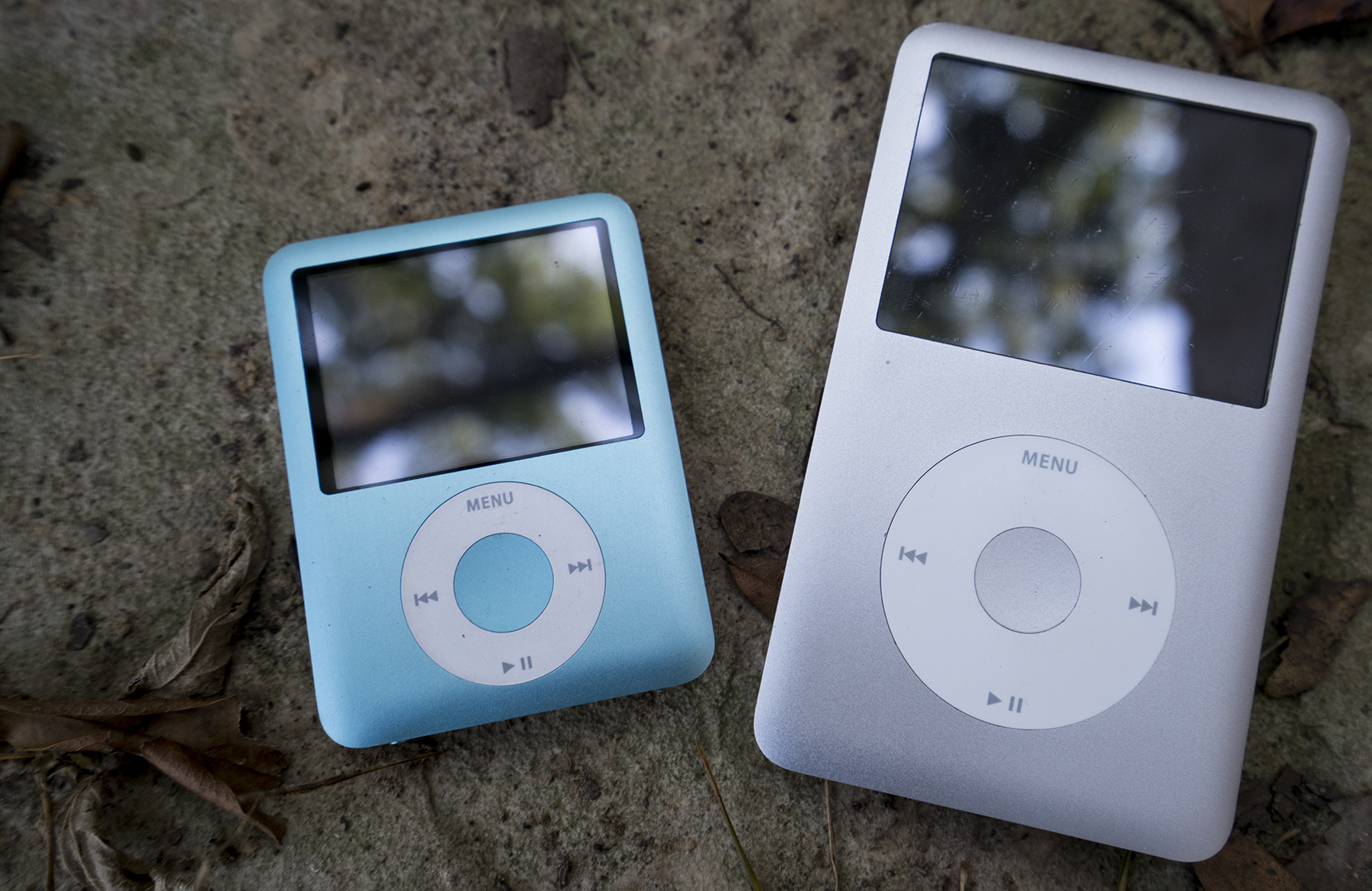
Grab Your Corded Headphones: The iPod Comeback Is Real
Apple may have discontinued the iPod in 2022, but the once-ubiquitous MP3 player is finding new life in 2025 — not as cutting-edge tech, but as an antidote to smartphone overload.
Across resale platforms and search engines, interest in Apple’s retired music players is surging. For many buyers, especially Gen Z and younger millennials, the appeal isn’t just about music. It’s about escape.
The Big Picture: A Break From the Scroll
In an era dominated by smartphones that bundle music, messaging, social media, news, and nonstop notifications, some consumers are actively seeking single-purpose devices. The iPod, which does one thing exceptionally well — play music — fits that desire perfectly.
Search interest for the original iPod and the iPod Nano spiked last year, according to Google Trends data, even though Apple formally ended the product line three years ago. On resale marketplace eBay, internal data shared with Axios shows searches for the iPod Classic rose 25% between January and October 2025 compared with the same period in 2024. Searches for the iPod Nano jumped 20% over that same timeframe.
The renewed interest reflects a broader cultural shift: digital burnout is real, and younger generations are experimenting with ways to unplug without going completely offline.
Why Now?
Part of the resurgence can be traced to the simplicity of older technology.
Computer science professor and author Cal Newport, known for his book Digital Minimalism, argues that single-purpose gadgets offer clarity in a hyperconnected world. An iPod doesn’t tempt users with texts, breaking news alerts, or algorithm-driven content feeds. It plays music — and nothing else.
Smartphones, by contrast, make it “nearly impossible to control your technology use with any consistency,” Newport suggests, because everything lives in one place. The device designed to stream your favorite album is the same one buzzing with work emails and social notifications.
For some users, that constant connectivity has become exhausting.
Nostalgia Meets Intention
For 20-somethings who grew up loading songs onto their iPods via iTunes, the device represents more than hardware — it’s a memory of a different pace of life.
Katherine Esters, who says she “grew up with the rise and fall of iPods,” recently purchased a Classic model for $100 on Facebook Marketplace. She uses it intentionally, particularly when trying to cut back on phone use.
Sometimes she just wants to take a walk and listen to music without the distraction of “20 notifications.” The physical click wheel and offline song library create a boundary that smartphones simply don’t.
Others echo that sentiment. Natalie Constantine, who received a secondhand iPod Nano for Christmas, sees it as both nostalgic and comforting. For her and many in Gen Z navigating economic uncertainty and global instability, older devices symbolize simpler times.
There’s also something tactile and deliberate about using an iPod. You have to choose your songs, sync them manually, and live with your selection. There’s no endless feed of algorithmic recommendations adjusting to your mood in real time.
The Rise of “Friction”
This revival ties into a growing cultural trend sometimes described as “friction-maxxing.” Rather than prioritizing seamless convenience, some young consumers are gravitating toward experiences that require effort and intentionality.
Libby Rodney, chief strategy officer at The Harris Poll, describes it as a move away from total convenience culture. In a world where streaming platforms auto-play and curate endless playlists, manually loading a curated set of songs onto an iPod feels meaningful.
The process itself becomes part of the experience. Choosing 500 favorite tracks and syncing them to a device forces reflection. It’s finite. It’s controlled. And for many, it’s freeing.
The iPod doesn’t interrupt you. It doesn’t collect your data for targeted ads. It doesn’t nudge you back into a social media app. It simply plays your music, uninterrupted.
A Symbol of Offline Living
The renewed interest in iPods also mirrors other offline revivals — from vinyl records and digital cameras to flip phones and printed planners. Each represents a pushback against constant connectivity and digital saturation.
Younger buyers aren’t necessarily abandoning smartphones altogether. Instead, they’re compartmentalizing. The phone remains essential for communication and work. The iPod becomes a sanctuary device — reserved for focused listening, long walks, workouts, or study sessions.
And while Apple has moved on to services-driven revenue models built around subscriptions and ecosystems, the company’s discontinued music player is enjoying an unexpected afterlife in secondary markets.
More Than a Trend?
Whether the iPod revival becomes a sustained movement or fades as a niche nostalgia wave remains to be seen. But its resurgence says something deeper about the current tech landscape.
In a world optimized for speed, personalization, and constant engagement, some consumers are rediscovering the value of limitation.
A device that only plays music may feel outdated by today’s standards. Yet for a growing number of people, that’s exactly the point.
Sometimes, grabbing a pair of corded headphones and pressing play is less about going backward — and more about reclaiming a small pocket of quiet in an overwhelmingly connected world.


подробнее https://bestchangesru.com
читать https://bestchangesru.com/