
Is Microsoft Preparing to Sunset Xbox? A Founder Thinks So- A bold claim from one of Xbox’s original architects is stirring debate across the gaming industry: Microsoft may be slowly winding down the Xbox as it pivots deeper into artificial intelligence.
In a recent interview with GamesBeat, Seamus Blackley — widely credited as one of the co-founders of the original Xbox platform — suggested that Microsoft’s gaming division is no longer central to the company’s long-term vision.
“Xbox, like a lot of businesses that aren’t the core AI business, is being sunsetted,” Blackley said, pointing to leadership changes and Microsoft’s intensifying focus on generative AI.
Leadership Shift Raises Eyebrows
A major signal, according to Blackley, is the reported departure of longtime Xbox chief Phil Spencer. Spencer, who has overseen Xbox’s evolution into a subscription-first ecosystem centered around Game Pass and cross-platform publishing, is being replaced by Asha Sharma, head of Microsoft’s CoreAI division.
For Blackley, that move speaks volumes.
He characterized Sharma’s potential role in stark terms, suggesting she may act as a kind of “palliative care doctor” for Xbox — someone tasked not with reinvention, but with gently guiding the brand toward an eventual phase-out.
That’s a dramatic interpretation, but it underscores a broader question: Is Xbox still a strategic pillar for Microsoft, or is it becoming peripheral to an AI-first future?
Microsoft’s AI Obsession
There’s no doubt that Microsoft has gone all-in on artificial intelligence. From massive investments in generative AI infrastructure to deep integration of AI across Windows, Office, Azure, and developer tools, the company’s public messaging increasingly frames everything through an AI lens.
Blackley believes that shift has consequences.
“Microsoft is a company that is now about enabling its customers by enabling AI to drive things,” he said, arguing that AI is no longer just a product category — it’s the organizing principle of the company.
In his view, when everything becomes a “gen AI problem,” divisions that don’t directly serve that mission risk losing priority. Xbox, as a gaming-focused business with long development cycles and razor-thin hardware margins, may struggle to compete internally for attention and capital.
Gaming vs. Generative AI
Blackley also makes a philosophical argument: gaming is a proven, decades-old industry with clear business models, passionate communities, and predictable revenue streams. Generative AI, by contrast, is still in an experimental and volatile phase.
That mismatch, he suggests, could create tension inside Microsoft. Is the company willing to deprioritize a stable entertainment ecosystem in favor of a rapidly evolving — and still uncertain — AI frontier?
Gamers, as Blackley half-joked, are not known for their patience. They tend to resist heavy-handed corporate strategy shifts, particularly when those shifts appear to come from outside gaming culture.
If Xbox leadership is increasingly shaped by AI executives rather than gaming veterans, that cultural gap could widen.
But Is Xbox Really Going Away?
Despite Blackley’s warnings, the evidence for a full sunset is far from conclusive.
In late 2024, Microsoft doubled down on expanding the Xbox ecosystem beyond traditional consoles. The company has pushed Xbox Cloud Gaming across smart TVs, smartphones, and PCs — positioning Xbox less as a box under your television and more as a platform layer that follows players across devices.
At the same time, reports indicate that a next-generation Xbox console is targeting a 2027 release window. That suggests continued investment in hardware, even if the long-term strategy leans toward services and cloud distribution.
It’s also worth noting that Microsoft has increasingly published Xbox titles on competing platforms, signaling that the company may be redefining what “Xbox” means rather than abandoning it outright.
Evolution, Not Extinction?
What Blackley may be reacting to isn’t necessarily the death of Xbox, but its transformation.
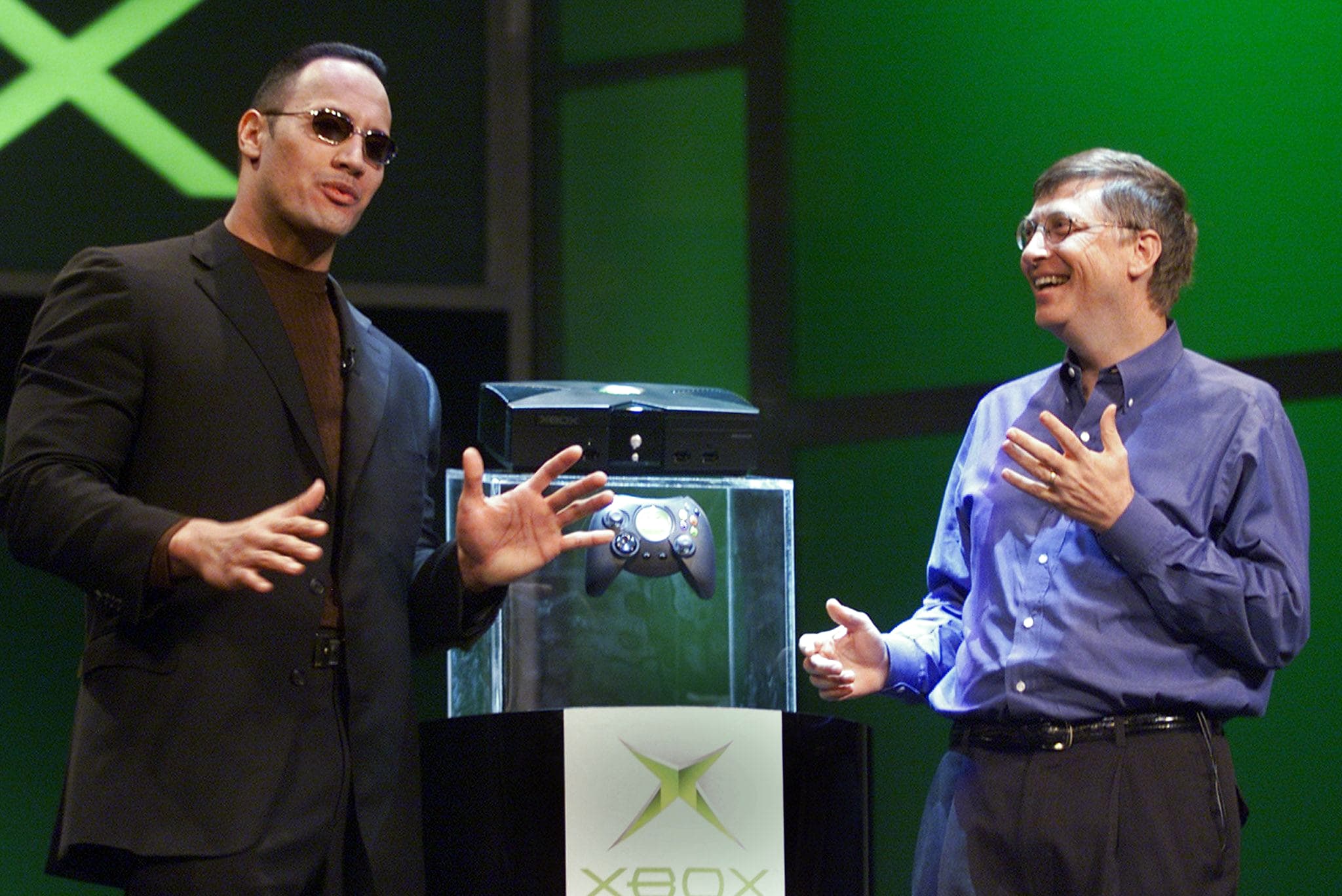
The original Xbox launched in 2001 as a bold bet to challenge Sony and Nintendo in the living room. Today, the gaming landscape is radically different. Subscription services, cross-platform play, streaming, and AI-driven development tools are reshaping how games are made and distributed.
If Microsoft’s AI push ultimately enhances game creation, personalization, and cloud performance, Xbox could become more integrated into the company’s broader AI ecosystem — not less.
But Blackley’s critique taps into a deeper anxiety within tech: when companies chase the next big paradigm shift, legacy businesses sometimes become collateral damage.
For now, Xbox remains a significant brand with a loyal user base and an expanding digital footprint. Whether it becomes a casualty of Microsoft’s AI ambitions — or a beneficiary of them — will depend on how successfully the company can balance innovation with identity.
One thing is clear: the conversation about Xbox’s future is no longer just about consoles. It’s about whether gaming still fits inside Microsoft’s AI-first world.

