
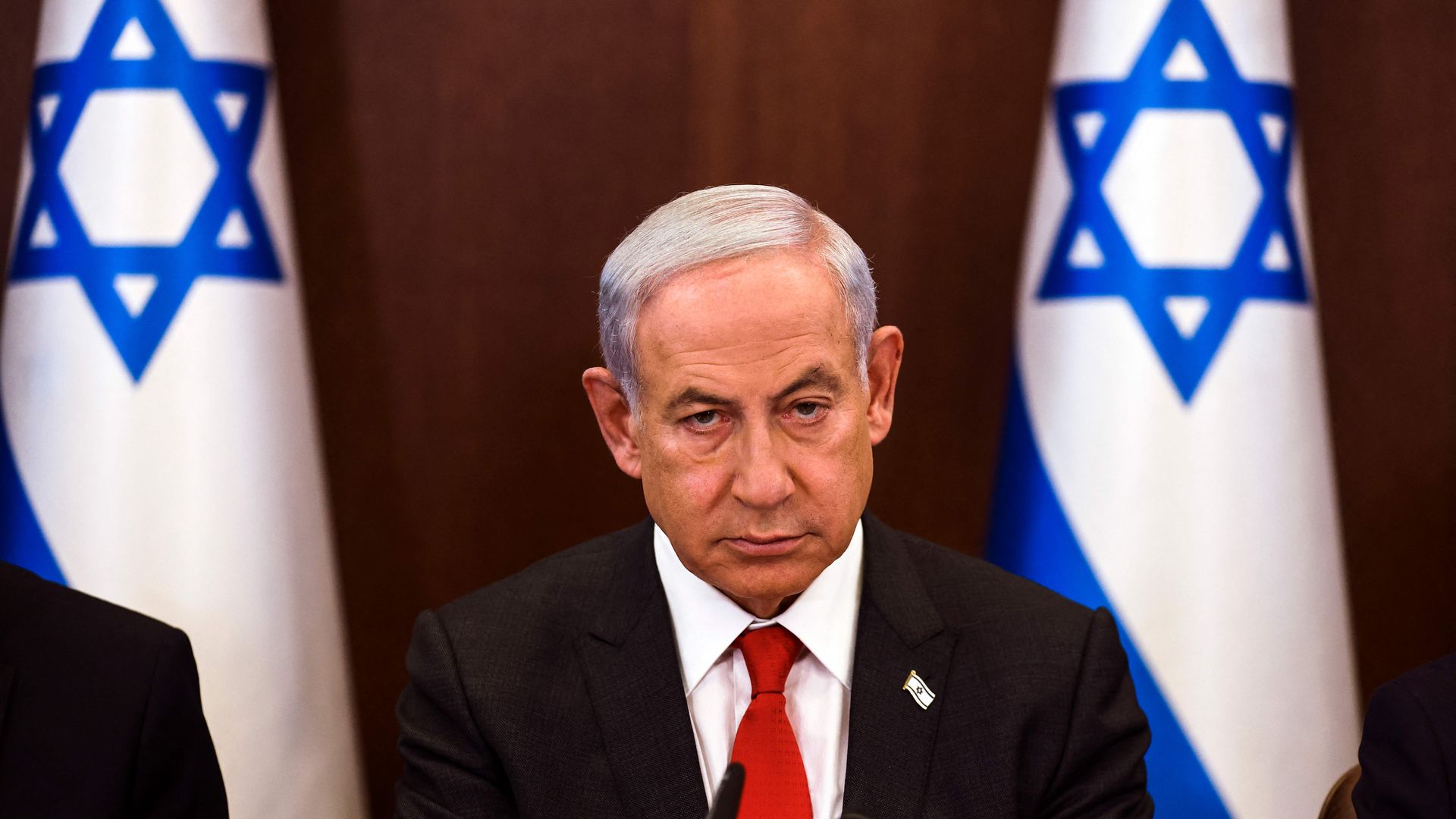
Netanyahu: US-Israel Strikes on Iran Aim to Eliminate ‘Existential Threat’
Israeli Prime Minister Benjamin Netanyahu defended the recent joint military strikes conducted by the United States and Israel on Iranian targets, describing the operation as essential to neutralizing an “existential threat” to Israel. In a public statement, Netanyahu emphasized that the strikes were intended not only to safeguard Israel but also to empower the Iranian population to influence their own future. He also praised U.S. President Donald Trump for his leadership and coordination in the planning and execution of the operation.
Background of the Strikes
On February 28, 2026, Israeli and American forces launched coordinated attacks within Iran, focusing on military installations and strategic assets tied to Iran’s missile development and regional influence. Israeli officials characterized the strikes as a preemptive measure, designed to disrupt Iran’s capability to threaten Israel and neighboring countries. Reports from Tehran and other Iranian cities indicated explosions and damage to several military sites, signaling a significant tactical impact.
Within hours, Iran retaliated with missile strikes targeting Gulf countries hosting U.S. military infrastructure. Cities affected included Abu Dhabi, Dubai, Doha, Riyadh, and Manama. Authorities in these nations activated air defense systems, while civilians reported seeing missiles streak across the sky and hearing powerful explosions.
Netanyahu’s Comments
Netanyahu framed the operation as a critical security measure against Iran’s perceived long-term threat. “Israel cannot wait for threats to grow unchecked,” he said, stressing the urgency of addressing Iran’s military expansion and regional ambitions. He also highlighted that the operation aimed to give Iranian citizens a chance to influence the course of their own nation’s future, suggesting the strikes targeted military infrastructure rather than civilians.
The Prime Minister commended President Trump for providing decisive guidance and support. According to Netanyahu, the U.S. played an essential role in intelligence coordination, strategic planning, and operational logistics, which enabled the strikes to be precise and effective. Netanyahu also emphasized that the strikes were carried out in a manner intended to minimize civilian casualties.
Regional Consequences
Iran’s response marked a sharp escalation, targeting Gulf nations with significant U.S. military presence. Al Dhafra Air Base in Abu Dhabi, Al Udeid Air Base in Doha, and the Fifth Fleet headquarters in Manama were among the facilities placed on high alert. While Qatar reported successful missile interceptions with no casualties, the UAE confirmed one civilian death in Abu Dhabi from falling debris. Saudi Arabia, Kuwait, and Jordan also reported missile activity and activated their warning systems, highlighting the broad reach of the retaliation.
The strikes have heightened concerns about wider regional instability. Analysts warn that continued escalation could involve additional actors, potentially drawing neighboring countries into the conflict. The Gulf’s role as a critical hub for global oil exports adds further urgency, as military activity near ports and shipping lanes could disrupt energy markets.
Strategic and Military Implications
The operation underscores the strategic importance of U.S. and Israeli military installations across the Gulf. Bases in Qatar, the UAE, Bahrain, and Saudi Arabia serve as central hubs for operations, logistics, and regional intelligence. By targeting these locations, Iran sought to demonstrate its ability to strike critical U.S. assets, but also risked provoking further escalation.
Netanyahu’s remarks highlight Israel’s doctrine of preemptive action against perceived threats. By framing the strikes as a defensive necessity, he sought to justify the operation strategically and morally. The focus on empowering Iranian civilians also serves to convey a humanitarian angle, though the risk of broader destabilization remains significant.
International Reactions
Global responses to the strikes have been cautious. While Israel and the U.S. insist the operation was essential for national and regional security, international observers urge restraint to prevent further escalation. The targeting of cities and facilities housing U.S. personnel adds complexity, as any miscalculation could have serious consequences for both civilians and military personnel.
Emerging Scenario
With Iran retaliating against Gulf-based targets, the region faces heightened uncertainty. Additional strikes or countermeasures could occur in the coming days, potentially drawing in other regional actors. Netanyahu’s statements underscore Israel’s ongoing security concerns regarding Iran, while the U.S. and Gulf nations prepare for potential escalation.
As tensions rise, civilians and military forces across the Gulf remain on alert, and international attention is focused on preventing further escalation. The coming days are critical in determining whether the situation stabilizes or evolves into a broader regional conflict.
Artificial Intelligence as Astronaut: Ethical Dilemmas of AI Crews in Space | Maya

