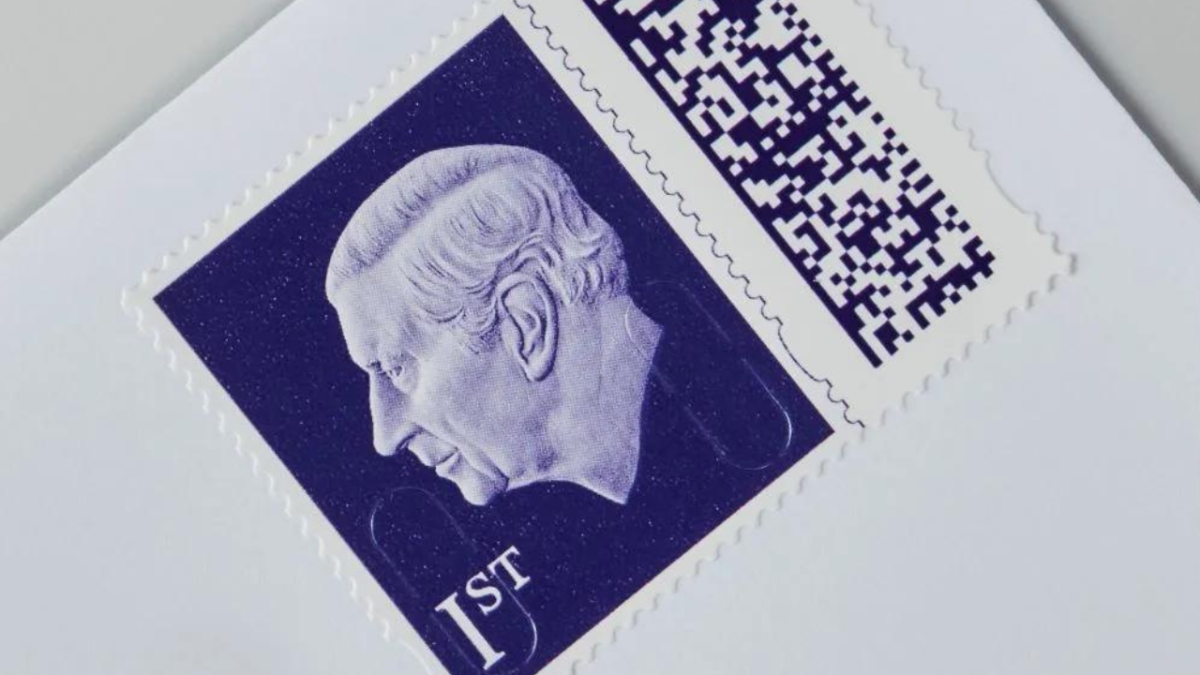
£1.80 for a Stamp? Royal Mail’s Latest Price Hike Sparks Fresh Outrage: The cost of sending a letter in the United Kingdom is set to rise again next month, as Royal Mail prepares to increase stamp prices for the seventh time in just four years. The latest change will push the price of a first-class stamp to £1.80, prompting criticism from customers and raising fresh concerns about the future of traditional mail services.
Under the new pricing structure, which will come into effect on April 7, the price of a first-class stamp will increase by 10 pence. Meanwhile, the cost of a second-class stamp will also rise, climbing from 87p to 91p. While the increase may appear modest on the surface, it represents part of a steady series of price hikes that have significantly raised the cost of posting letters in recent years.
The rise is particularly striking when compared with prices just a few years ago. In 2022, a first-class stamp cost only 95p. Once the new increase takes effect, the price will have nearly doubled in less than five years. For many households, charities, and small businesses that continue to rely on physical mail, the ongoing increases have become a growing concern.
Royal Mail says the decision reflects the rising cost of running its nationwide delivery network. The company argues that maintaining a universal service—delivering letters to every address in the country—has become more expensive as the volume of letters being sent continues to decline. With fewer letters moving through the system, the cost of maintaining the same infrastructure is spread across a smaller number of items.
According to the company, traditional letter sending has been steadily shrinking for years as digital communication becomes the norm. Emails, messaging apps, online billing, and electronic documentation have replaced much of the need for physical post. While the growth of online shopping has led to a surge in parcel deliveries, Royal Mail says parcel operations do not fully compensate for the decline in letter mail.
The price hike also comes during a challenging period for the company. Royal Mail has faced repeated criticism over its delivery performance and has missed official delivery targets for three consecutive years. Customers have reported delays and inconsistent service, leading to complaints from regulators and calls for improvements.
Ownership changes have also brought new scrutiny to the postal service. The company is now owned by Czech billionaire investor Daniel Křetínský, whose business group took control as part of a major corporate shift aimed at modernising the organisation. The new leadership has signalled that adapting the postal service to a parcel-focused future will be a key priority.
In recent months, Royal Mail has already introduced operational adjustments in an effort to cut costs. Last year, the company ended Saturday deliveries for second-class mail and reduced delivery schedules for some services to alternate weekdays. These changes were designed to reflect the reduced demand for traditional letter deliveries.
Despite these measures, the continued rise in stamp prices has sparked frustration among some customers and consumer groups. Critics argue that repeated increases risk making postal services less accessible, particularly for people who rely on letters for essential communication, including legal documents, bills, and official notices.
For older residents and those with limited access to digital technology, the postal service remains a crucial part of everyday life. Charities and smaller organisations also depend on affordable postage to reach supporters and clients.
Royal Mail insists that price adjustments are necessary to protect the long-term sustainability of the universal postal service. The company maintains that without periodic increases, it would struggle to maintain the extensive delivery network that covers the entire country.
As the April price rise approaches, the debate over the future of the UK’s postal system is likely to intensify. With letter volumes continuing to fall and costs continuing to rise, the challenge facing Royal Mail is how to maintain a reliable national service while adapting to a rapidly changing communication landscape.
Timeline of the Gulf Crisis: From Rising Tensions to Open Conflict | Maya