Oil Prices Hit Near Two-Year High as Iran Conflict Threatens Global Energy Supplies: Global oil prices surged on Friday, climbing to their highest levels in almost two years as escalating tensions involving Iran raised fears of major disruptions to worldwide crude supplies.
The U.S. oil benchmark, West Texas Intermediate (WTI), rose roughly 6.8% in early trading to reach $86.57 per barrel, according to data from FactSet. At the same time, Brent Crude—the international benchmark used by many countries—climbed about 4.7% to $89.44 a barrel. Both benchmarks are now trading close to levels last seen in April 2024.
The sharp increase comes amid growing concerns that the ongoing conflict in the Middle East could severely disrupt energy shipments through one of the world’s most crucial oil transit routes.
Vital shipping route under pressure
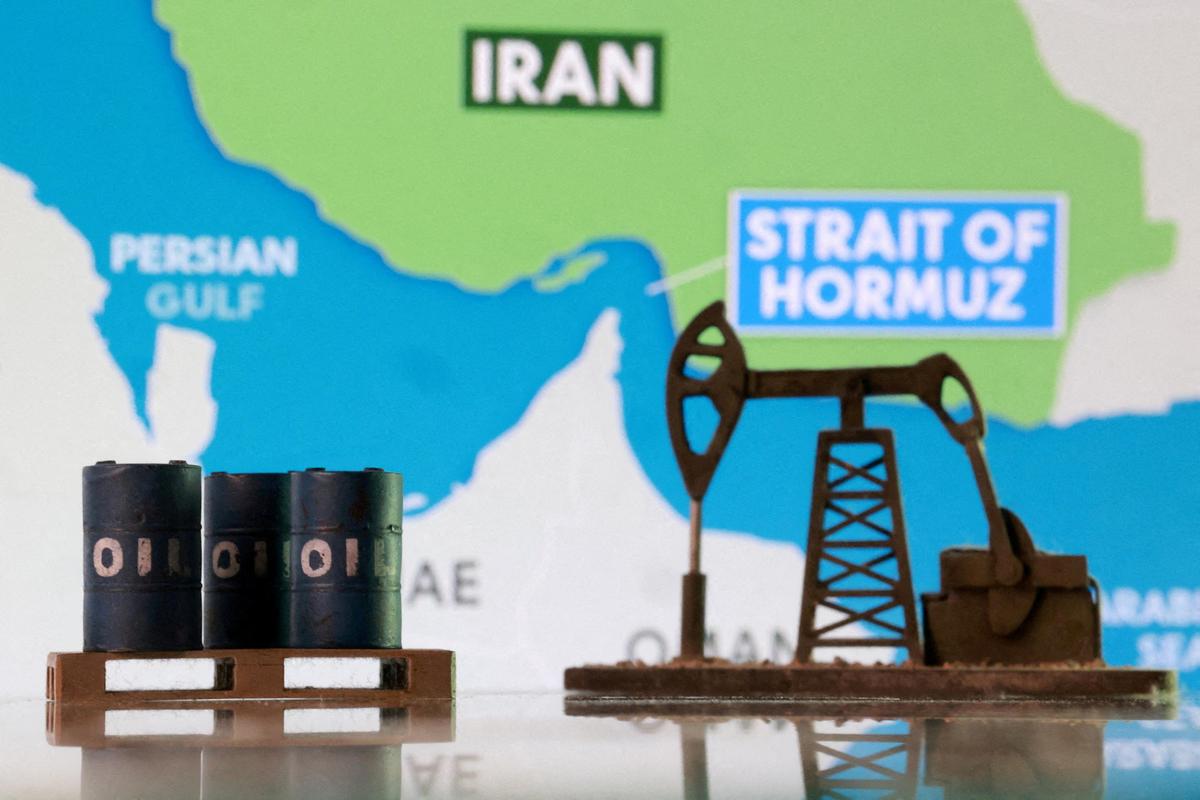
Much of the market’s anxiety centers on the Strait of Hormuz, a narrow but strategically vital waterway connecting the Persian Gulf with the open ocean. The route is one of the most important chokepoints in global energy trade, with roughly one-fifth of the world’s oil supply normally transported through it.
Recent developments suggest that shipping activity in the region has slowed dramatically. The Joint Maritime Information Center, which monitors maritime safety and shipping traffic, reported that vessel movement through the strait has dropped sharply. While around 138 ships typically travel through the passage each day, recent figures show the number falling to only a handful.
This sudden decline has raised alarms across energy markets, with traders increasingly concerned that the disruption could translate into a real supply shortage.
Analysts at JPMorgan said markets appear to be shifting their focus away from hypothetical geopolitical risks toward actual operational problems affecting the energy industry.
In a research note, the bank said the situation is evolving into “tangible operational disruption,” pointing to refinery shutdowns and export limitations that are beginning to affect regional supply chains and crude processing capacity.
Warnings of further price spikes
Market jitters intensified following remarks from the energy minister of Qatar, who suggested that Gulf energy exporters could potentially suspend production if the conflict continues to escalate. According to reporting by the Financial Times, such a scenario could push Brent crude prices as high as $150 per barrel.
The comments quickly influenced market sentiment. Economists at Oxford Economics said oil prices surged shortly after the report, with WTI briefly crossing the $86 mark for the first time since April 2024.
The rally reflects a broader surge in energy prices since the conflict began. Analysts estimate that WTI crude has climbed close to 30% since the outbreak of hostilities and has risen more than 55% compared with its low point earlier this year in January.
Rising fuel costs for consumers
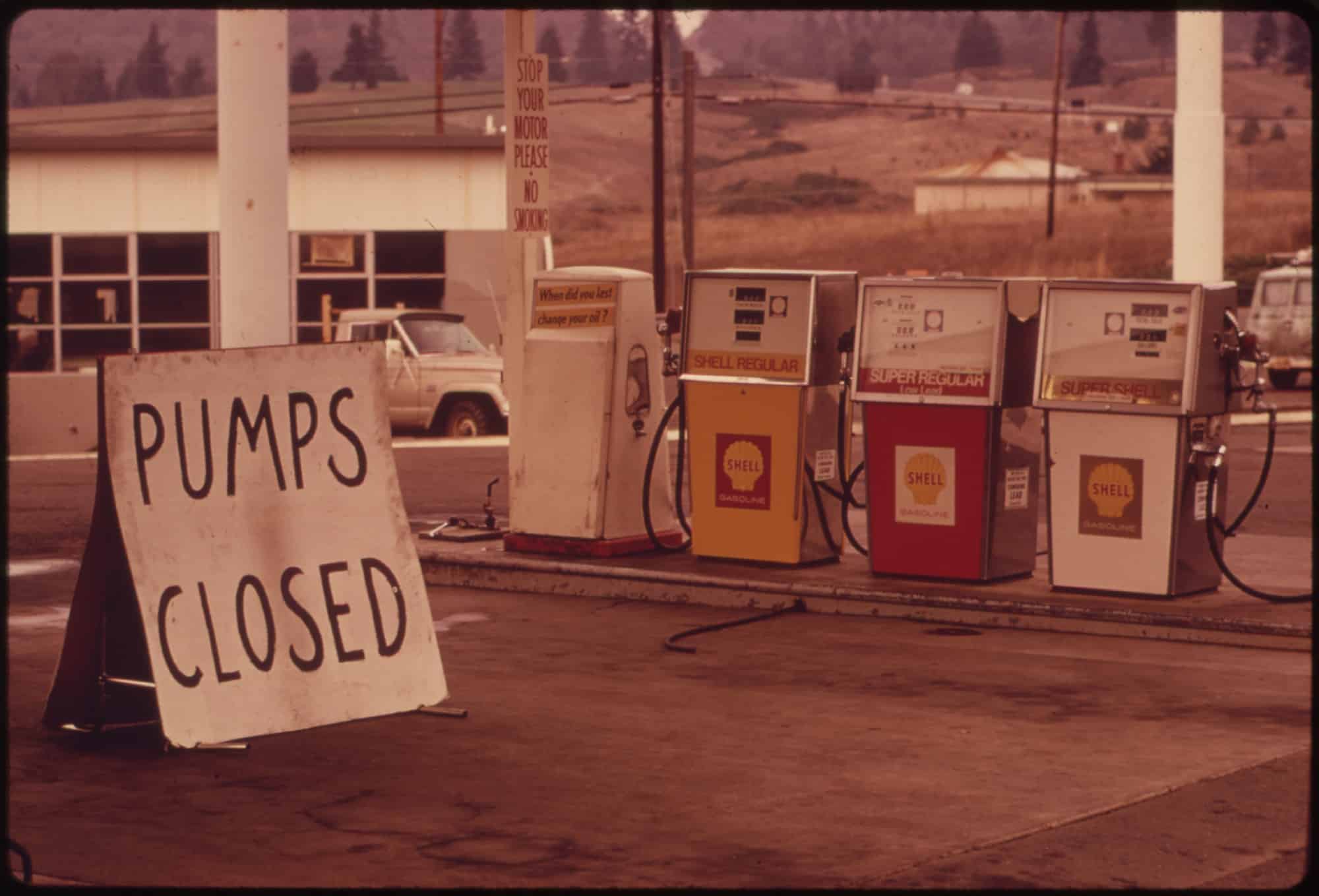
The jump in crude oil prices is already affecting consumers, particularly drivers in the United States. As oil becomes more expensive, gasoline prices tend to follow.
Fuel tracking service GasBuddy reported that the average price of gasoline in the U.S. had increased by about 26 cents per gallon as of Thursday.
GasBuddy petroleum analyst Patrick De Haan warned that prices could continue rising if disruptions around the Strait of Hormuz persist.
Writing on social media, De Haan said that because the waterway is effectively operating at extremely limited capacity, fuel price increases may continue into the weekend if the situation does not improve.
Global markets on edge
Energy traders and policymakers around the world are now closely monitoring developments in the Gulf region. Because such a large share of global oil exports passes through the Strait of Hormuz, any prolonged disruption could have significant consequences for energy prices, inflation and economic growth worldwide.
If shipping through the corridor remains restricted—or if major oil producers decide to curb output—analysts warn that the current surge in prices could accelerate even further in the weeks ahead. The Hunt for Earth-Like Planets Beyond Our Solar System | Maya
:max_bytes(150000):strip_icc()/INV_CokeErnsRecap_2Q23_GettyImages-1484916701-a0de2f544a0645778a4d7527ef823c43.jpg "Plastic in Your Soda? Coca-Cola Issues Urgent Recall!")