Iran Widens Gulf Offensive as Missiles Rain Down on Dubai, Bahrain, and Saudi Arabia- Tehran’s multi-front campaign targets energy infrastructure and Arab capitals, strangling oil flows and pushing crude prices to multi-year highs.
DUBAI — Missile sirens pierced the predawn silence over Dubai on Tuesday as Iran dramatically escalated its campaign of pressure across the Gulf, launching a barrage of drones and missiles that struck or threatened targets in the United Arab Emirates, Bahrain, Saudi Arabia, and Kuwait in a single overnight operation that rattled global energy markets and raised fears of a broader regional conflagration.
Saudi Arabia’s air defenses destroyed two Iranian drones over its oil-rich Eastern Province, the heart of the kingdom’s petroleum output, while Kuwait’s National Guard reported shooting down six drones before they could reach their targets. In Bahrain, air-raid warnings sent residents scrambling for cover in the early morning hours, as the island nation that hosts the United States Navy’s Fifth Fleet found itself once again in Tehran’s crosshairs.
A Multi-Front Offensive
Tuesday’s strikes are the latest in a sustained Iranian-led offensive unfolding simultaneously across multiple fronts. Beyond the Gulf Arab states, Israel launched retaliatory strikes overnight on southern and eastern Lebanon, targeting positions linked to Hezbollah, the powerful Iranian proxy that has re-emerged as a key instrument of Tehran’s strategy to keep Israeli forces stretched and regional adversaries off-balance.
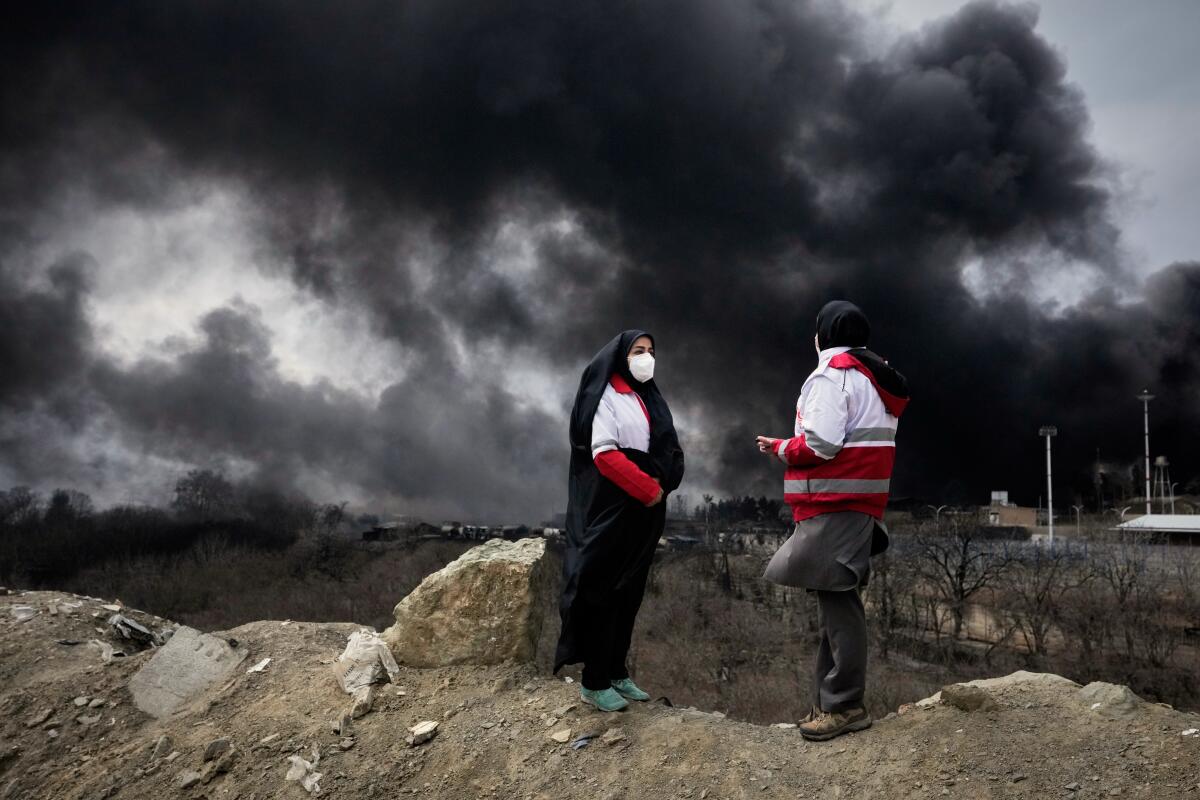
Beyond missile attacks on American military bases across the region, Iran has methodically gone after energy infrastructure including pipelines, pumping stations, and oil terminals, in a calculated effort to inflict maximum economic damage. That campaign has deepened the effect of Tehran’s tightening stranglehold on the Strait of Hormuz, the narrow channel through which roughly a fifth of the world’s daily oil supply flows.
Oil Markets in Turmoil
The combination of strikes on production facilities and the squeeze on Hormuz has sent oil prices surging to levels not seen in years. Benchmark Brent crude climbed sharply in Asian trading on Tuesday as investors weighed the prospect of a prolonged supply disruption from one of the world’s most critical energy corridors. Analysts cautioned that any further escalation could drive prices higher still, heaping inflationary pressure on economies already battered by geopolitical instability.
Gulf states that had spent recent years pursuing cautious diplomatic openings with Tehran now find themselves in a dramatically altered security environment. The UAE has been particularly exposed, caught between its deep economic entanglement with Iran, Dubai has long served as a vital conduit for Iranian commerce, and the unsettling new reality of air-raid sirens echoing above its skyline.
Iran’s Strategic Calculus
Analysts say Tehran appears to be running a strategy built around demonstrating reach while preventing any single adversary from consolidating a response. By distributing strikes across the UAE, Bahrain, Saudi Arabia, Kuwait, and Lebanon in a compressed timeframe, Iran forces its opponents into a posture of total defence while making clear that any retaliation would carry costs far beyond a bilateral exchange.
Washington has called for restraint among its Gulf partners while reaffirming long-standing security guarantees, even as the continued targeting of American military installations has prompted increasingly firm language from U.S. commanders on the ground. Back-channel diplomacy between Tehran and several Western capitals is still active, but insiders on both sides concede the distance between Iran’s core demands and what its adversaries will accept has seldom looked wider.
What Comes Next
With Iranian projectiles now reaching as far as the UAE and the Lebanese front still burning, the risk of an accidental escalation that pulls the region into full-scale war has rarely felt more immediate. The Gulf Cooperation Council has convened emergency consultations, and pressure is growing for the UN Security Council to meet urgently, though deep divisions among its permanent members make any binding action unlikely in the near term.
For the people of Dubai, a city that has spent decades selling itself as the Gulf’s safest, most cosmopolitan address, Tuesday’s sirens carried a message that transcended geopolitics. No skyline, however gleaming, lies beyond the range of what is now in motion. The question keeping officials awake across the region is no longer whether Iran will strike again. It is simply where.
Reporting contributed from Dubai, Riyadh, Manama, and Jerusalem. Iran President Apologises to Neighbours for Attacks, Says Strikes Will Stop Unless Iran Is Targeted | Maya