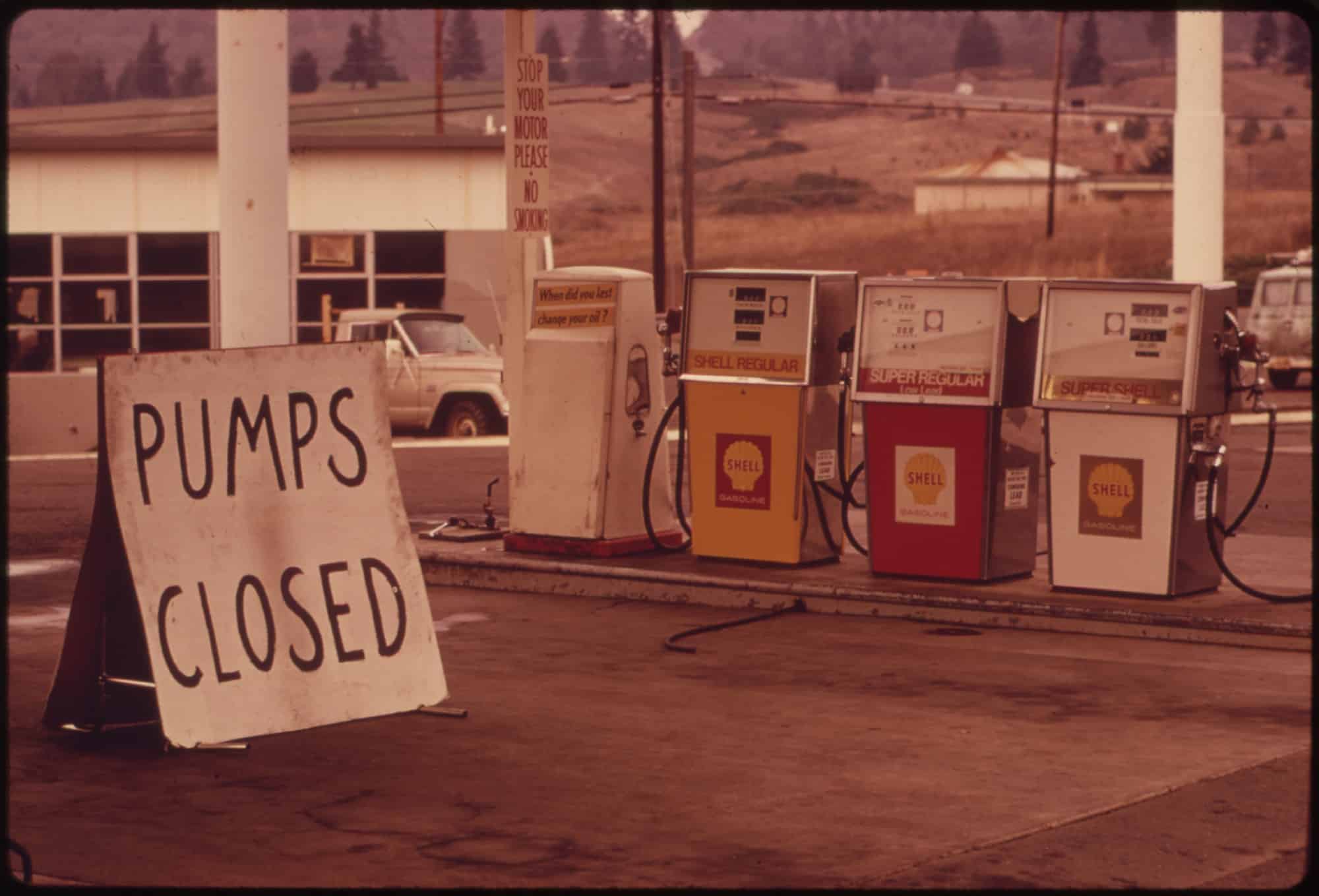
Oil Crisis vs Gas Crisis: Understanding the Differences in a Turbulent Energy World- Energy crises have repeatedly reshaped global politics, economic stability, and international relations. In the modern world, two types of disruptions dominate discussions about energy security: oil crises and gas crises. Although both involve shortages or price shocks in essential fuels, their causes, impacts, and geopolitical implications differ significantly. Understanding the distinction between an oil crisis and a gas crisis is crucial, especially at a time when geopolitical conflicts, shifting energy markets, and climate transitions are redefining global energy dynamics.
While both crises can destabilize economies, they operate through different market structures and affect countries in different ways.
What is an Oil Crisis?
An oil crisis occurs when there is a sudden disruption in the supply of crude oil or a dramatic increase in oil prices that affects global markets. Oil is one of the most widely traded commodities in the world, and its price is determined by global demand and supply dynamics.
Because oil is easily transported through tankers and pipelines and traded internationally, its market is highly globalized. A supply disruption in one region can immediately affect prices worldwide.
Historically, oil crises have often been triggered by geopolitical conflicts or political decisions by major oil-producing countries. When production falls or exports are restricted, global supply tightens, leading to higher prices.
The most significant feature of an oil crisis is its global reach. Since oil fuels transportation, manufacturing, and industry, rising oil prices increase the cost of goods, shipping, and travel across the world. This often leads to inflation and economic slowdown.
Even countries that produce oil can experience economic disruption because oil markets are interconnected and sensitive to geopolitical tensions.
What is a Gas Crisis?
A gas crisis, on the other hand, occurs when the supply of natural gas becomes insufficient to meet demand within a specific region. Unlike oil, natural gas markets are more regionally structured.
Gas is typically transported through pipelines or specialized liquefied natural gas (LNG) infrastructure. These transportation systems require long-term investments and physical connectivity between producers and consumers.
Because of this infrastructure dependency, gas markets are often tied to specific geographic regions. A disruption in supply can severely affect countries connected to a particular pipeline network.
Gas crises therefore tend to be more localized or regional, though their consequences can still ripple through global energy markets.
Natural gas is widely used for electricity generation, heating, and industrial processes. When supply shortages occur, households may face higher heating costs while industries struggle with rising production expenses.
In colder regions, gas shortages can quickly become a social and political crisis because they directly affect everyday life.
Structural Differences Between Oil and Gas Markets
One of the most important differences between oil and gas crises lies in the structure of their markets.
Oil markets are global. Oil can be shipped almost anywhere in the world using tanker fleets, allowing buyers to switch suppliers relatively quickly. This flexibility helps the market adapt to disruptions, although price spikes can still occur.
Gas markets are more regional. Pipelines lock buyers and sellers into long-term relationships. If a pipeline supply is disrupted, replacing it can be difficult and expensive in the short term.
Liquefied natural gas has begun to globalize gas markets by allowing gas to be transported by ship. However, LNG requires specialized terminals and processing facilities, which limits its immediate flexibility.
As a result, gas shortages tend to affect specific regions more intensely than oil shortages.
Economic Impact of Oil Crises
Oil crises often trigger widespread economic consequences. Since oil is used heavily in transportation and logistics, rising prices quickly affect supply chains and trade costs.
Air travel becomes more expensive, shipping costs increase, and industries dependent on fuel face higher operating expenses. These price increases eventually pass on to consumers in the form of inflation.
Governments often respond to oil crises by releasing strategic petroleum reserves, increasing domestic production, or implementing energy conservation measures.
Oil crises can also shift geopolitical alliances as countries seek new suppliers or attempt to secure long-term energy partnerships.
Because oil is central to the global economy, even small disruptions in supply can have large consequences.
Economic Impact of Gas Crises
Gas crises tend to affect electricity production and heating systems more directly than transportation. Many power plants rely on natural gas as a primary fuel source.
When gas supplies are disrupted, electricity prices can surge and energy rationing may occur. Industrial sectors that depend on gas for production—such as fertilizer, steel, and chemicals—can also experience shutdowns or reduced output.
Households may face higher heating bills, particularly in colder climates where natural gas is a major heating source.
Unlike oil crises, which spread quickly across the global economy, gas crises often produce severe but regionally concentrated impacts.
Geopolitical Dimensions
Both oil and gas crises have strong geopolitical components, but the nature of these dynamics differs.
Oil crises typically involve major producing regions whose exports affect the global market. Political instability, sanctions, or military conflict in these regions can reduce global supply and drive prices upward.
Gas crises, by contrast, often involve disputes between specific suppliers and consuming countries connected by pipelines. When political tensions arise, gas flows may be reduced or halted, leading to shortages.
Energy infrastructure itself becomes a geopolitical tool. Pipelines, shipping routes, and export terminals can influence political relationships between nations.
Countries may attempt to diversify their energy sources in order to reduce dependence on a single supplier.
The Role of Energy Transition
The global transition toward renewable energy is also influencing how oil and gas crises develop.
As countries invest in solar, wind, and other renewable technologies, they aim to reduce reliance on fossil fuels. However, the transition process can create new vulnerabilities.
Natural gas is often used as a transitional fuel because it produces fewer emissions than coal. This has increased demand for gas in many regions, making gas supply security more important.
At the same time, declining investment in oil production due to climate policies may tighten supply in the long term, potentially increasing the risk of oil price volatility.
The energy transition therefore adds another layer of complexity to both oil and gas crises.
Comparing Oil Crisis and Gas Crisis
Although both crises involve disruptions in energy supply, their key differences can be summarized as follows:
- Market structure
Oil markets are global, while gas markets are more regional. - Transportation flexibility
Oil can be easily shipped worldwide, while gas often depends on fixed pipelines or LNG infrastructure. - Economic impact
Oil crises affect transportation and global trade, while gas crises heavily impact electricity generation and heating. - Geopolitical dynamics
Oil crises involve global supply shocks, while gas crises often arise from regional political disputes.
These differences explain why the world responds differently to disruptions in oil and gas markets.
Conclusion
Energy crises remain one of the most powerful forces shaping international politics and economic stability. While oil crises and gas crises may appear similar at first glance, their underlying structures, impacts, and geopolitical implications are distinct.
Oil crises tend to have a broader global impact because oil is traded in a highly integrated international market. Gas crises, however, often produce more intense regional disruptions due to the infrastructure-dependent nature of gas supply.
As the global energy system continues to evolve, governments must develop strategies to manage both types of crises. Diversifying energy sources, investing in infrastructure, and strengthening international cooperation will be essential for reducing vulnerability to future disruptions.
In a world where energy security and geopolitical tensions remain closely intertwined, understanding the differences between oil and gas crises is critical for navigating the challenges of the modern energy landscape.
Bitcoin Faces Pressure as Whales Take Profits While Retail Chases Dips | Maya