Who’s Really Behind the “No Kings” Protests in the United States and United Kingdom? Hidden Agendas Emerge
The sudden rise of “No Kings” protests across the United States and the United Kingdom has sparked a growing debate: Are these demonstrations purely grassroots movements, or are broader political and strategic interests driving them behind the scenes?
While protest organizers describe the movement as a spontaneous defense of democracy, critics argue that the scale, coordination, and messaging suggest a more complex network of interests at play. As demonstrations spread across major cities, questions are growing about who benefits — and who may be quietly supporting the movement.
A Rapidly Growing Movement
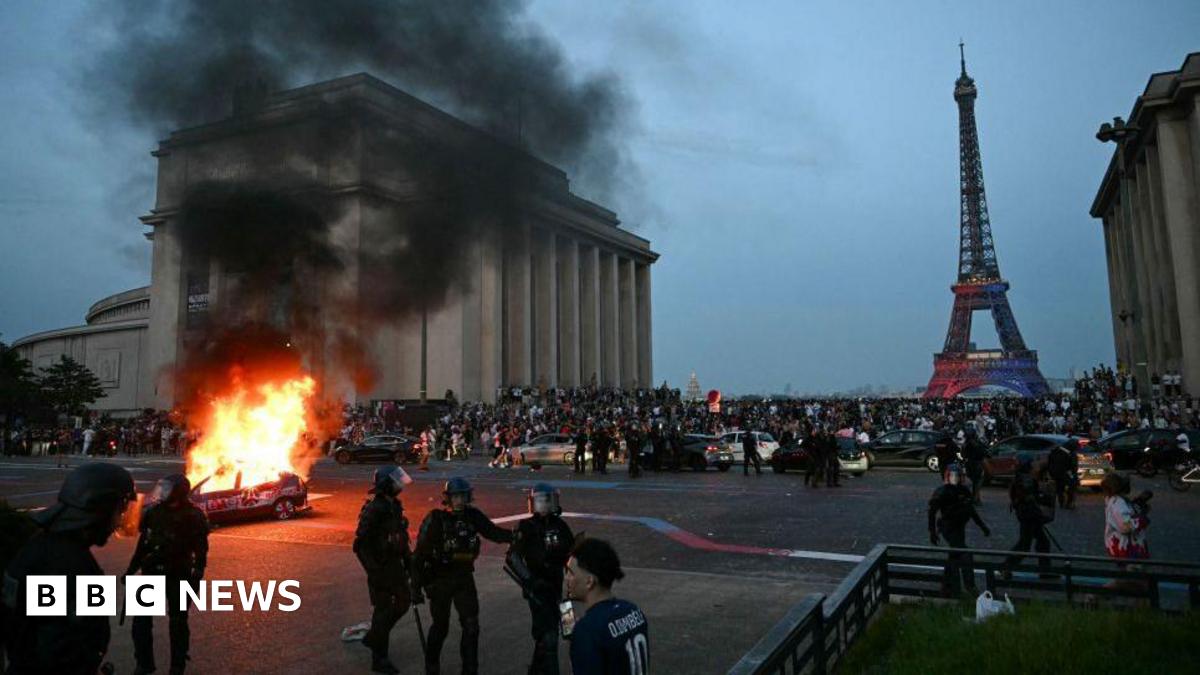
The “No Kings” protests quickly spread across major cities including New York City, Washington, D.C., Los Angeles, and London. Demonstrators carried slogans opposing concentrated political power and raising concerns about foreign policy decisions, economic uncertainty, and leadership authority.
What surprised many observers was the speed at which the protests expanded internationally. Within days, coordinated demonstrations appeared across multiple cities, prompting speculation that more than grassroots activism may be involved.
Political Opposition and Ideological Influence
One theory gaining attention is that political opposition groups may be indirectly supporting the protests. Movements opposing leadership often gain momentum when opposition figures amplify messaging, attend rallies, or publicly support protest demands.
For example, policies and decisions linked to Donald Trump have historically triggered large-scale protests. Critics argue that some political groups may view such demonstrations as an opportunity to influence public opinion and shape political narratives.
However, this does not necessarily mean protests are centrally controlled. Rather, multiple groups may align around shared concerns, creating the appearance of a unified movement.
Role of Advocacy Organizations
Another factor often overlooked is the involvement of advocacy organizations. These groups typically focus on issues such as civil liberties, anti-war activism, and economic policy. While many operate transparently, they can play a significant role in organizing events, promoting participation, and shaping messaging.
Support from advocacy groups can help protests scale rapidly, providing logistical support such as permits, communication channels, and volunteer coordination.
This does not automatically imply hidden agendas, but it does highlight how organized networks can influence protest movements.
Social Media Amplification
One of the biggest drivers behind the rapid spread of the “No Kings” protests appears to be social media. Platforms like X (formerly Twitter), Meta, and TikTok played a major role in mobilizing participants.
Trending hashtags, viral videos, and coordinated posts helped amplify protest calls across regions. In modern protests, social media often replaces traditional organizing structures, making movements appear spontaneous while still benefiting from coordinated messaging.
Critics argue that social media can also enable interest groups to shape narratives quickly and influence public perception.
Economic and Geopolitical Interests
Some analysts believe broader geopolitical factors may also be contributing to the protests. Rising tensions involving Iran, global energy concerns, and economic uncertainty have created widespread anxiety.
Protests often emerge during periods of instability, when public frustration is already high. Economic pressures such as inflation, rising energy costs, and job insecurity can create fertile ground for protest movements.
In this context, the “No Kings” protests may reflect overlapping interests:
Political opposition groups
Advocacy organizations
Grassroots activists
Public frustration over economic conditions
Rather than a single actor, multiple interests may be converging.
Is There Evidence of a “Deep State”?
Some commentators have suggested the involvement of a “deep state” — a hidden network influencing political outcomes. However, there is currently no credible evidence supporting claims that intelligence agencies or secret government structures are organizing the protests.
Most demonstrations appear to involve ordinary citizens, local organizers, and public advocacy groups. While some coordination is visible, this is common in modern protest movements.
Still, the lack of centralized leadership can sometimes create suspicion, especially when movements grow rapidly.
Who Benefits From the Protests?
Regardless of who organizes them, the protests could benefit several groups:
Political opposition seeking policy changes
Advocacy organizations promoting specific issues
Activists pushing anti-war or economic reforms
Media outlets covering large-scale demonstrations
At the same time, governments may face increased pressure to adjust policies in response to public sentiment.
A Movement With Many Layers
The “No Kings” protests appear to be less about a single hidden agenda and more about a convergence of interests. Grassroots activism, political opposition, economic frustration, and global tensions are all playing a role.
As protests continue to spread, the debate over who is behind them is likely to intensify. What remains clear is that the movement reflects growing political tension and public engagement across Western democracies.
Whether driven by grassroots activism or broader interests, the “No Kings” protests are becoming a significant political development — one that could influence debates in both the United States and the United Kingdom in the weeks ahead.