Can the UK-Led Coalition Break Iran’s Grip on the Strait of Hormuz? A new diplomatic effort led by the United Kingdom has brought together more than 40 countries in a bid to restore access to the critical Strait of Hormuz. As tensions rise and Iran continues to assert control over the waterway, a pressing question emerges: can a coalition relying on sanctions and diplomacy succeed in easing one of the most serious global trade disruptions in recent years?
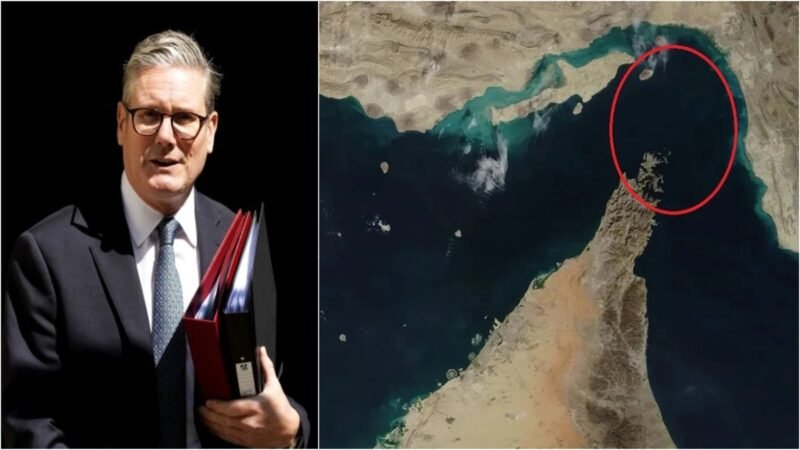
The importance of the Strait of Hormuz cannot be overstated. This narrow stretch of water connects the Persian Gulf to the open ocean and serves as a vital route for global energy supplies. A significant portion of the world’s oil and gas shipments pass through it every day. When that flow is disrupted, the consequences are immediate and far-reaching—affecting fuel prices, trade routes, and economic stability across continents.
The current crisis stems from escalating tensions involving Iran, the United States, and Israel. In response to ongoing conflict, Iran has reportedly targeted vessels in the region and restricted movement through the Strait, effectively tightening its grip on one of the world’s most important shipping lanes. The result has been a sharp decline in maritime traffic and growing anxiety in global markets.
Oil prices have already reacted, climbing as uncertainty spreads. Beyond energy, the disruption threatens supply chains tied to food production, fertilisers, and essential goods. Countries that rely heavily on imports passing through the Gulf are especially vulnerable, and prolonged instability could deepen economic pressures worldwide.
In response, the UK has taken the lead in organizing a coordinated international approach. Spearheaded by Foreign Secretary Yvette Cooper, the coalition is focusing on diplomatic and economic measures rather than military intervention. The strategy centers on increasing pressure through global institutions like the United Nations and working alongside the International Maritime Organization to restore safe passage for ships.
Sanctions are a key part of this plan. By targeting Iran’s economic interests, coalition members hope to create enough pressure to force a change in behavior. The idea is to make continued disruption of the Strait more costly than reopening it. However, sanctions are typically a slow-acting tool, and their impact may take time to materialize—time the global economy may not have.
Iran’s geographic position gives it a strong advantage. Controlling the northern coastline of the Strait allows it to monitor and influence shipping activity with relative ease. Even limited military or paramilitary actions can have an outsized effect, as shipping companies become wary of risk and insurance costs rise. This makes it difficult for external actors to quickly reverse the situation without escalating tensions further.
Another challenge lies in maintaining unity within the coalition. While the participation of dozens of countries signals broad concern, aligning their interests and responses is not simple. The absence of direct involvement from the United States in these talks adds another layer of complexity, given its central role in the broader regional conflict. Differences in strategy and priorities could weaken the overall effectiveness of the coalition’s efforts.
There are also indications that some countries and companies may be adjusting to the disruption rather than confronting it head-on. Negotiating alternative arrangements or routes, or even engaging directly with Iranian authorities for safe passage, could undermine the unified pressure that sanctions are meant to create. Such actions, while pragmatic in the short term, risk diluting the impact of collective measures.
Despite these challenges, the coalition’s decision to prioritize diplomacy reflects a calculated effort to avoid further escalation. Military options—such as escorting ships or forcibly reopening the Strait—carry significant risks, including the possibility of a wider regional conflict. By contrast, economic and diplomatic tools offer a way to apply pressure while keeping channels for negotiation open.
There is also a longer-term dimension to consider. Iran’s economy has faced sustained pressure over the years, and additional sanctions could deepen its isolation. If major economies act in coordination, the cumulative effect could influence Tehran’s strategic calculations. However, this depends heavily on consistent enforcement and global cooperation.
Timing will be crucial. The longer the Strait remains disrupted, the greater the strain on global markets and supply chains. Rising energy costs can fuel inflation, while shortages in key goods can create knock-on effects in sectors ranging from agriculture to manufacturing. For many countries, especially those with fragile economies, the consequences could be severe.
The UK-led initiative represents a significant test of whether coordinated international diplomacy can resolve a crisis of this scale without resorting to force. It highlights a broader reality: in an interconnected world, control over critical infrastructure like the Strait of Hormuz carries immense geopolitical power.
Ultimately, the outcome will depend on a combination of factors—the resilience of the coalition, the effectiveness of sanctions, and Iran’s willingness to respond to mounting pressure. If diplomacy succeeds, it could reinforce the role of collective action in managing global crises. If it fails, the world may face a prolonged period of instability with far-reaching economic consequences.
For now, the question remains open: can a unified diplomatic front break Iran’s grip, or will the Strait of Hormuz continue to be a chokepoint for global uncertainty?
Oil Prices Surge After Trump Signals Continued Military Action Against Iran | Maya