Quantum and AI Wars: Predicting Battles of Tomorrow
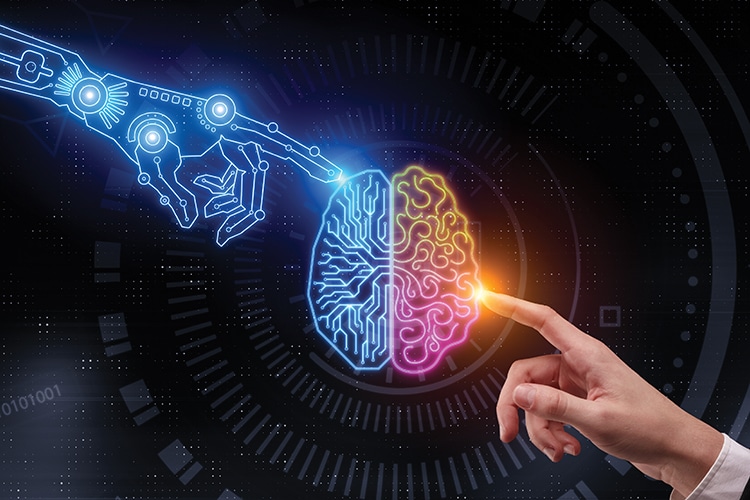
In today’s rapidly evolving technological landscape, two forces stand at the forefront of strategic global competition: Quantum Computing and Artificial Intelligence (AI). Individually, both technologies promise significant advances across industries. Together, they represent the next frontier of geopolitical, economic, and military power. This emerging era—what many are calling the Quantum and AI Wars—will reshape how nations defend themselves, compete economically, and manage global security.
Understanding the Technologies Behind the Wars
To predict the battles of tomorrow, we must first understand the innovations driving them.
Quantum Computing
Quantum computing leverages the principles of quantum mechanics to process information in fundamentally new ways. Unlike classical computers that use bits (0 or 1), quantum systems use qubits, which can exist in multiple states simultaneously due to superposition. This allows complex problems to be solved exponentially faster than traditional computing.
Potential applications include:
- Breaking current encryption standards
- Optimizing global logistics
- Modeling complex biological systems
- Advancing material science
For governments, quantum supremacy isn’t just a scientific milestone—it’s a strategic weapon.
Artificial Intelligence
Artificial Intelligence encompasses technologies that enable machines to perform tasks requiring human‑like cognition—learning, reasoning, perception, and decision‑making. From machine translation to autonomous vehicles to predictive analytics, AI is already reshaping industries and national capabilities.
AI is powering:
- Autonomous drones and robotics
- Real‑time data analysis for defense
- Cybersecurity and threat detection
- Economic predictions and logistics optimization
While AI’s current footprint is vast, its integration with quantum technologies could unlock previously unimaginable power.
The Convergence: Quantum AI
The intersection of quantum computing and AI—sometimes called quantum AI—holds transformative potential. Quantum computers could accelerate AI learning, making models faster and more efficient. At the same time, AI can help manage the enormous complexity of quantum systems.
This convergence opens doors to:
- Ultra‑fast problem solving at scale
- Enhanced simulation of climate systems and markets
- More powerful decision‑making tools for defense
- Next‑generation encryption and cybersecurity
But such capabilities come with strategic risks.
Why Nations Are Racing
A New Geopolitical Battlefield
Unlike past technological revolutions, the quantum and AI race isn’t limited to innovation hubs or private labs. Governments worldwide are investing billions to secure leadership in these fields. The stakes are geopolitical influence, economic dominance, and national security superiority.
Major players include:
- The United States
- China
- The European Union
- Japan
- South Korea
- Israel
Each has declared strategic initiatives to outpace rivals, often linking research funding directly to military and intelligence outcomes. In this context, technological leadership translates directly into geopolitical leverage.
Economic Power and Industrial Leadership
Beyond defense, quantum and AI breakthroughs promise economic transformation. Industries that could benefit include:
- Finance and trading
- Pharmaceuticals and healthcare
- Energy and climate modeling
- Logistics and supply chains
For example, quantum optimization algorithms could dramatically reduce supply chain costs. AI could streamline drug discovery, saving billions and accelerating treatment development. Thus, nations leading these technologies gain competitive advantages across multiple economic sectors.
Military Implications
Autonomous Warfare and AI Strategy
AI’s role in defense extends from logistics to autonomous weapons. Already, many militaries deploy AI for:
- Surveillance and reconnaissance
- Target identification
- Threat response systems
- Mission planning
Autonomous systems guided by AI may soon operate with minimal human oversight, raising ethical questions about decision‑making in life‑and‑death scenarios.
Quantum Navigation and Communication
Quantum technologies introduce breakthrough concepts such as:
- Quantum navigation: precise location without GPS
- Quantum communication: ultra‑secure, tamper‑proof data transmission
- Quantum radar: systems capable of detecting stealth aircraft
These advancements could render current defense systems obsolete or require entirely new approaches to security.
Cryptography: A Strategic Linchpin
Encryption protects everything from financial transactions to military communications. Quantum computing threatens to crack classical encryption methods, forcing a transition to quantum‑resistant cryptography.
Nations unprepared for this shift risk exposure to espionage, sabotage, and economic disruption. Those leading quantum cryptography can secure unparalleled advantages in intelligence and defense.
The Ethical Frontier
As powerful as these technologies are, they raise significant ethical concerns.
Risk of Autonomous Conflict
AI‑driven systems could accelerate conflict without human restraint if improperly governed. Decisions once made by generals and diplomats could become the product of algorithms optimized for efficiency rather than morality.
Inequality and Global Disparities
Quantum computing and AI will likely benefit wealthy, technologically advanced nations first. Without international cooperation, this could widen global inequality, exacerbating geopolitical tensions and undermining stability.
Accountability and Control
Quantum AI systems may reach capabilities beyond human comprehension. Establishing clear rules for accountability, transparency, and control becomes essential. Governments, corporations, and global institutions must collaborate on ethical frameworks before these systems are unleashed at scale.
Predicting the Battles of Tomorrow
Understanding the future landscape means looking at both likely trends and potential inflection points.
1. Strategic Alliances and Competition
Expect tighter technological alliances among nations with shared values and interests. Defense pacts may evolve to include shared AI and quantum development initiatives, while rival coalitions form around competing standards and infrastructure.
2. Military Modernization
Quantum and AI technologies will play central roles in future military capabilities. Nations may shift resources to develop autonomous drones, secure quantum communications, and AI‑driven strategic planning systems. Cyber warfare, already critical today, will accelerate as AI and quantum tools reshape offensive and defensive tactics.
3. Regulatory and Ethical Frameworks
Governments and international bodies like the United Nations will likely propose treaties governing AI and quantum use in warfare. These may resemble current nuclear non‑proliferation agreements but will be harder to enforce given the dual‑use nature of these technologies.
4. Public and Private Sector Collaboration
Advances in quantum computing and AI require collaboration across industries. Private tech giants, startups, academic institutions, and government labs will share breakthroughs, while also navigating intellectual property, security concerns, and geopolitical interests.
5. Cybersecurity Arms Race
Quantum computing’s potential to break encryption means governments and corporations must invest heavily in next‑generation cybersecurity. Expect an arms race in cryptographic defenses as adversaries attempt to exploit vulnerabilities exposed by quantum breakthroughs.
Preparing for the Future
To navigate the coming era responsibly, several critical actions are necessary.
Invest in Workforce and Education
Developing and regulating quantum AI technologies requires specialized talent. Countries must invest in STEM education, research institutions, and retraining programs to build a workforce capable of meeting future demands.
Strengthen Ethical Governance
Policymakers must proactively establish governance frameworks to ensure AI and quantum technologies benefit humanity without amplifying risks. This includes:
- Ethical AI guidelines
- International standards for quantum use
- Transparency requirements for autonomous systems
Promote Cooperative Innovation
While competition drives innovation, cooperation prevents conflict. Shared research agreements, open‑source frameworks for secure systems, and multilateral agreements can reduce mistrust and avert technological escalations.
Conclusion: The Dawn of a New Era
The coming decades will be defined by how nations navigate the intersection of Quantum Computing and Artificial Intelligence. These technologies promise to reshape not just warfare, but economics, governance, and everyday life. Understanding their potential—and the risks they entail—is essential for policymakers, businesses, researchers, and citizens alike.
Rather than fear the future, we must prepare for it. By fostering ethical governance, innovative collaboration, and strategic foresight, humanity can ensure that the Quantum and AI Wars become engines of progress, not sources of division. The Next Era of Atomic and Nuclear Science | Maya