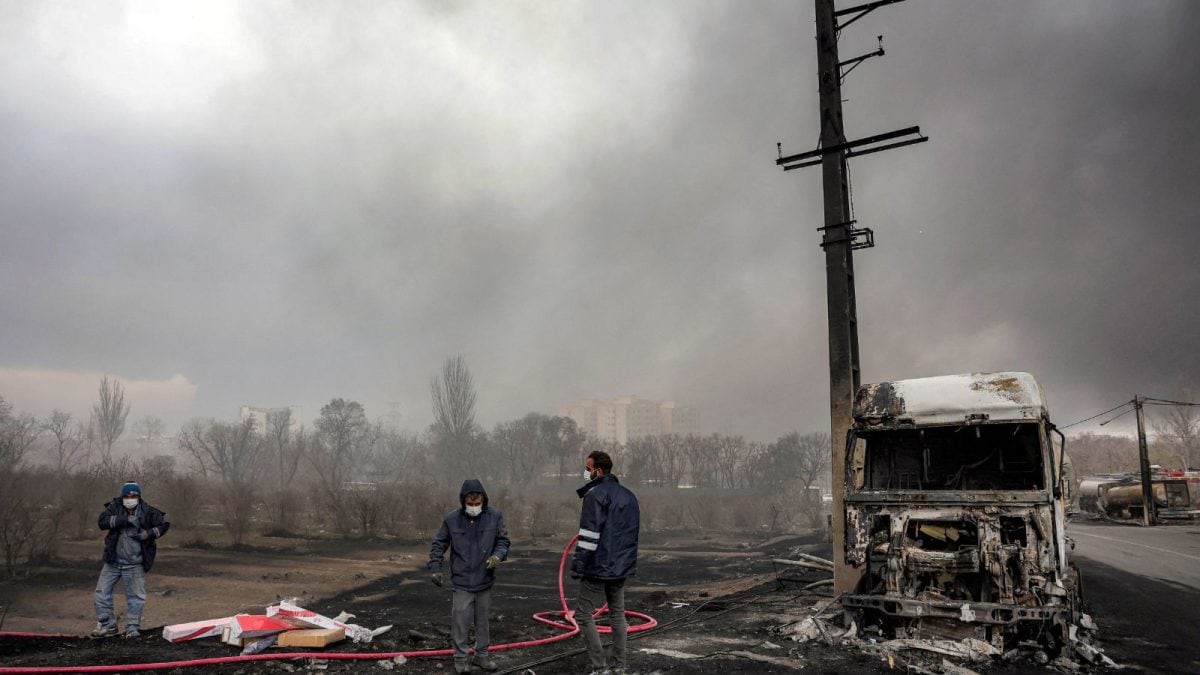
War Zones Breeding Disease: Ukraine, Iran & Israel Health Crisis Explodes- Across Europe and the Middle East, war is increasingly a public health crisis, creating ideal conditions for disease outbreaks. From the battlefields of Ukraine to the embattled cities of Iran, and the conflict-torn regions of Israel and the Palestinian territories, communities are facing explosive health emergencies. Beyond immediate injuries, the destruction of medical infrastructure, disrupted water supplies, and mass displacement are triggering outbreaks of both infectious and chronic diseases.
This is a regional crisis with global consequences, as disease spreads and healthcare systems buckle under relentless pressure.
Ukraine: Health Systems in Collapse
As the war in Ukraine continues into its fifth year, the humanitarian and health toll has reached unprecedented levels. Continuous conflict has destroyed hospitals, clinics, and laboratories, leaving millions of people without access to essential healthcare services.
Rising Disease Risk Amid Displacement
More than 2.5 million Ukrainians have been displaced internally, often living in overcrowded shelters with inadequate sanitation and limited access to clean water. These conditions are a breeding ground for infectious diseases, including respiratory infections, diarrheal illnesses, and vaccine-preventable diseases like measles and polio.
The war has also disrupted treatment for chronic illnesses, including diabetes, heart disease, and cancer, creating long-term health consequences. Mental health has deteriorated as well, with anxiety, depression, and post-traumatic stress increasingly common across affected populations.
Water and Sanitation Crises
Conflict has destroyed major water treatment plants and sewage systems, exposing communities to waterborne diseases such as cholera and hepatitis. Children are especially vulnerable, as poor sanitation affects growth, nutrition, and immune system development.
Iran: Struggling Medical Infrastructure
In Iran, renewed military strikes and internal instability have pushed the healthcare system to the brink. Hospitals and medical research facilities have been damaged or destroyed, undermining the country’s ability to monitor and respond to infectious disease outbreaks.
Impact on Disease Surveillance and Care
Several medical laboratories, including major research centers, have been damaged, halting critical disease surveillance programs. The loss of trained health professionals due to violence or evacuation further weakens Iran’s ability to detect and contain epidemics.
Supply Chain Disruptions
War has also interrupted supply chains for essential medicines, vaccines, and medical equipment, making it harder to treat both chronic and infectious conditions. Fuel shortages and unsafe transportation routes exacerbate the scarcity of life-saving medical resources.
Vulnerable Populations
Millions of Iranians are displaced or living in temporary shelters with poor sanitation, limited clean water, and inadequate nutrition. These factors create conditions for outbreaks of respiratory infections, diarrheal diseases, and other preventable illnesses.
Israel & Palestinian Territories: Health Under Siege
Conflict in Israel and the Palestinian territories, particularly Gaza and the West Bank, has created one of the most fragile public health environments in the world. Years of chronic violence have left hospitals and clinics overwhelmed and under-resourced.
Crushed Healthcare Systems
Medical facilities are struggling to care for both the wounded and civilians with everyday health needs, including maternal care, vaccination programs, and treatment of chronic illnesses. Damage to ambulances, hospitals, and medical supply depots compounds the humanitarian emergency.
Sanitation and Water Access
In Gaza, broken sewage systems, water shortages, and crowded living conditions have led to outbreaks of diarrheal diseases and other infections. Displaced families often live in tents or makeshift shelters without reliable access to clean water, heightening the risk of disease.
Child Health in Crisis
Children are among the most affected, with malnutrition, poor sanitation, and lack of medical care making them highly susceptible to illness. This generational health crisis threatens long-term well-being and development.
War as a Disease Multiplier
Across all three regions, war acts as an amplifier for disease. Common factors include:
- Destruction of healthcare infrastructure – Bombed hospitals and damaged labs prevent routine care and emergency response.
- Overcrowding and poor sanitation – Shelters and displacement camps facilitate the rapid spread of disease.
- Interrupted supply chains – Essential medicines and vaccines are delayed or unavailable.
- Weakened disease surveillance – Without monitoring, outbreaks go undetected until they become widespread.
- Chronic illness disruption – Interruptions in treatment can cause preventable suffering and death.
Global Implications
The public health crises in Ukraine, Iran, and Israel-Palestine are not confined to these regions. Diseases can cross borders, and disrupted medical supply chains affect neighboring countries and global health security. If left unaddressed, these conflicts could contribute to regional epidemics and increased mortality from both infectious and non-communicable diseases.
Urgent Interventions Needed
Humanitarian organizations emphasize the need for rapid, coordinated action to prevent further escalation of disease:
- Protect hospitals, clinics, and medical personnel under international humanitarian law.
- Restore water, sanitation, and electricity infrastructure.
- Ensure timely delivery of medicines, vaccines, and nutritional support.
- Strengthen disease monitoring and outbreak response systems.
- Provide mental health and chronic disease care, particularly to displaced populations.
Without urgent intervention, millions of lives are at risk, and the global health impact of these conflicts could be felt for years.
Conclusion
War is more than just a political and military crisis — it is a public health emergency. In Ukraine, Iran, and Israel-Palestine, destroyed hospitals, overcrowded shelters, and poor sanitation are creating perfect conditions for disease outbreaks. Chronic illness, mental health deterioration, and malnutrition add to the human toll. The international community must act swiftly to protect health infrastructure, restore essential services, and deliver humanitarian aid. The alternative is a cascade of preventable suffering that will extend far beyond these war zones.
:upscale()/2020/09/14/929/n/24155406/2cdd8efc5f5fde3b14a333.91727015_.jpg "Blue light glasses benefits: Really effective")