War, Displacement, and Disease: Inside the Growing Global Health Emergency
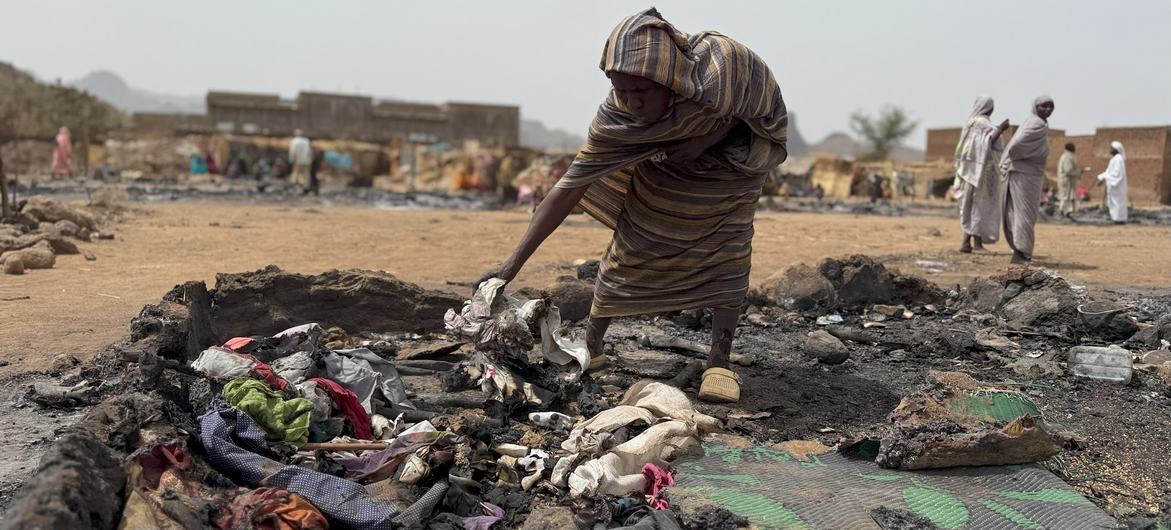
Across multiple continents, war is no longer just a political or military crisis — it is a catalyst for public health disasters. In countries like Ukraine, Iran, and regions of Israel and Palestine, armed conflict has created an environment in which disease spreads unchecked, healthcare systems are overwhelmed, and displaced populations are particularly vulnerable.
The consequences are deadly and far-reaching, extending beyond borders and threatening the health security of entire regions.
The Perfect Storm: Conflict Meets Disease
Violence disrupts daily life in ways that directly affect health. Hospitals are destroyed, doctors and nurses flee, and essential medical supplies become scarce. Communities are forced into crowded shelters with poor sanitation, creating ideal conditions for infectious diseases.
Experts warn that infectious outbreaks, chronic illness deterioration, and mental health crises are converging, producing a health emergency that could last for years if not addressed.
Ukraine: Collapsing Health Systems Amid War
In Ukraine, the ongoing conflict has caused widespread destruction of medical infrastructure. Hospitals have been damaged or destroyed, laboratories are offline, and medical personnel are overextended or displaced.
- Displacement Crisis: Millions of Ukrainians are living in temporary shelters, exposing them to respiratory infections, waterborne diseases, and vaccine-preventable illnesses.
- Chronic Conditions at Risk: Interruptions in care for conditions like diabetes, cardiovascular disease, and cancer are causing preventable deaths.
- Mental Health Strain: Anxiety, depression, and post-traumatic stress are widespread, adding a long-term health burden.
Compounding these issues, damaged water and sanitation infrastructure is creating opportunities for cholera, hepatitis, and other waterborne illnesses, particularly among children and the elderly.
Iran: Fragile Healthcare Under Fire
Renewed conflict in Iran has placed tremendous strain on the nation’s healthcare system. Hospitals, research labs, and supply chains have been disrupted, leaving millions vulnerable.
- Medical Surveillance Disrupted: Disease monitoring has been compromised due to destroyed laboratories and displaced health workers, making early detection of outbreaks nearly impossible.
- Essential Supplies Scarce: Shortages of medications, vaccines, and medical equipment are leaving patients untreated.
- Vulnerable Populations: Displaced and sheltered populations face inadequate sanitation, limited access to clean water, and nutritional deficiencies, creating conditions for respiratory and diarrheal diseases.
These compounding factors make Iran’s population highly susceptible to both endemic and emerging infectious diseases, increasing the risk of widespread outbreaks.
Israel and the Palestinian Territories: Chronic Conflict, Chronic Health Crisis
The protracted conflict in Israel and the Palestinian territories has produced decades of fragile health infrastructure, leaving hospitals and clinics unable to cope with everyday healthcare needs.
- Healthcare Overload: Clinics operate beyond capacity, struggling to care for the injured while providing routine services such as maternal care, vaccinations, and chronic disease management.
- Sanitation Challenges: Broken sewage systems and limited clean water access have contributed to outbreaks of diarrheal illnesses, skin infections, and other preventable diseases.
- Children at Risk: Malnutrition, disease exposure, and limited healthcare access place children in particular danger, affecting long-term development and health outcomes.
The combination of conflict, displacement, and destroyed infrastructure has made disease outbreaks a persistent and escalating threat in the region.
Why War Accelerates Disease Spread
Across these regions, conflict creates the conditions that allow disease to thrive. Key contributing factors include:
- Destroyed Medical Infrastructure – Hospitals, clinics, and laboratories are damaged or destroyed, preventing routine care and emergency response.
- Overcrowding and Poor Sanitation – Displacement camps and shelters become breeding grounds for infectious diseases.
- Supply Chain Interruptions – Essential medicines, vaccines, and medical equipment are delayed or unavailable.
- Weak Surveillance Systems – Damaged health monitoring prevents early detection of outbreaks.
- Interrupted Chronic Disease Care – People with existing conditions face worsening health outcomes due to treatment gaps.
The combination of these factors produces an acute and long-term public health crisis, particularly in regions already vulnerable due to poverty or unstable governance.
Regional and Global Consequences
The health emergencies in Ukraine, Iran, and Israel-Palestine are not isolated. Disease does not respect national borders:
- Displaced populations can carry contagious illnesses to neighboring countries.
- Disrupted supply chains can affect the availability of vaccines and medications globally.
- Delayed detection of disease outbreaks increases the risk of regional epidemics and global health insecurity.
Without urgent intervention, local conflicts have the potential to escalate into broader public health crises with international implications.
What Must Be Done
Humanitarian and public health organizations emphasize the following critical steps to prevent further escalation:
- Protect Healthcare Infrastructure: Hospitals, clinics, and laboratories must be safeguarded under international humanitarian law.
- Restore Basic Services: Water, sanitation, and electricity must be rapidly repaired to prevent outbreaks.
- Deliver Life-Saving Supplies: Timely provision of medicines, vaccines, and nutritional support is essential.
- Strengthen Disease Monitoring: Surveillance systems must be supported to identify and contain outbreaks quickly.
- Address Chronic Health Needs: Mental health services and treatment for chronic conditions must be maintained, especially for displaced populations.
Implementing these measures can mitigate the immediate crisis and reduce the long-term health burden for affected populations.
Conclusion: A Crisis Beyond the Battlefield
Conflict in Ukraine, Iran, and Israel-Palestine has become a public health catastrophe. Displacement, destroyed hospitals, poor sanitation, and disrupted supply chains are creating the perfect environment for disease outbreaks. Chronic illnesses, mental health issues, and malnutrition amplify the toll.
Addressing this growing global health emergency requires coordinated international action, rapid humanitarian intervention, and the protection of essential health services. Failure to act could result in avoidable suffering, preventable deaths, and epidemics with far-reaching consequences beyond any war zone.
How an Entire Library Disappeared: The Mystery of the Library of Alexandria | Maya