&imwidth=800&imheight=600&format=webp&quality=medium "Markets on Edge as Trump Escalates Iran Deal Demands")
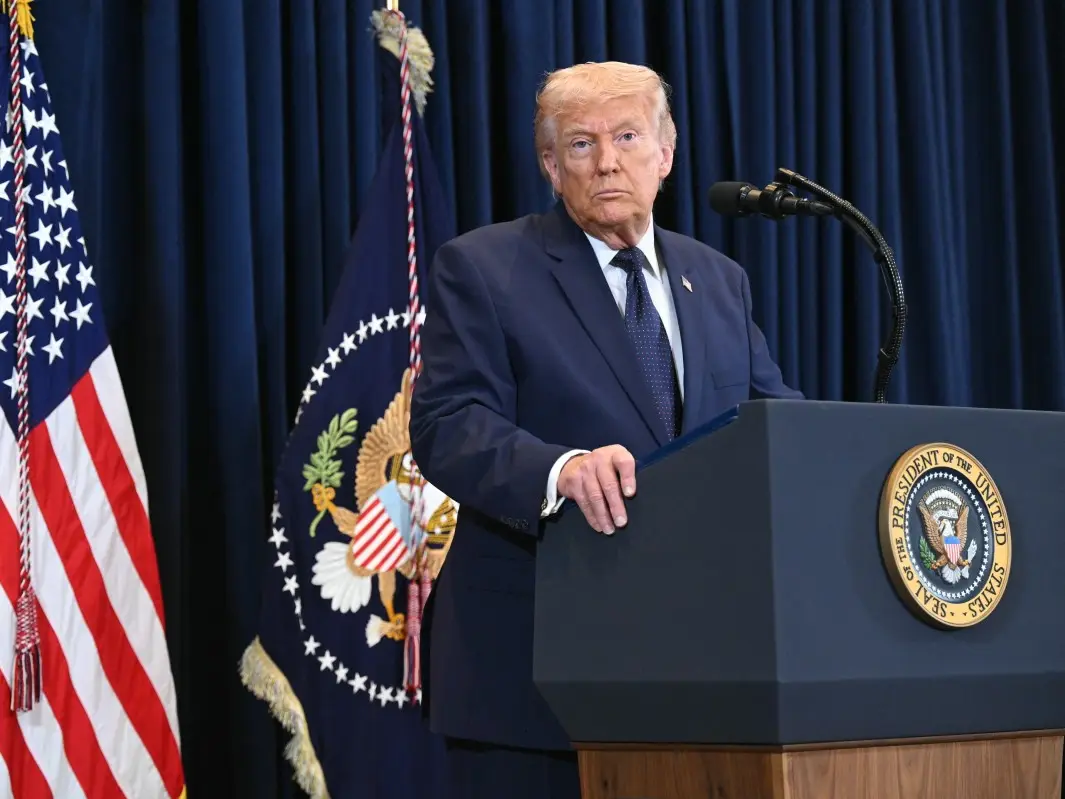
Markets on Edge as Trump Escalates Iran Deal Demands- Global financial markets are entering a phase of heightened uncertainty as geopolitical tensions intensify around U.S. President Donald Trump’s increasingly firm stance on Iran. At the center of this unfolding situation lies one of the world’s most critical energy chokepoints—the Strait of Hormuz—along with a rapidly approaching deadline that has investors, traders, and policymakers on edge.
Trump has issued a clear and uncompromising demand: Iran must ensure the reopening of the Strait of Hormuz as part of any agreement, or risk potential military action targeting key infrastructure. While negotiations are reportedly ongoing and described as “progressing,” the sharp tone of recent statements has fueled concerns about possible escalation rather than resolution.
Oil Markets Surge on Supply Fears
The most immediate reaction has come from global oil markets, where prices have jumped amid rising concerns over supply disruptions. The Strait of Hormuz is a vital artery for global oil trade, carrying a significant share of the world’s crude exports. Any threat to its normal functioning can quickly ripple across the global economy.
Oil prices have climbed sharply as traders factor in a growing geopolitical risk premium. This isn’t just about current supply constraints—it reflects fears of what could happen if tensions spiral further. Even a partial disruption could lead to tightened supply conditions, pushing prices higher and complicating inflation dynamics worldwide.
Equities Lose Momentum
In contrast to oil’s upward move, equity markets are showing clear signs of caution.
U.S. stock futures have edged lower, while European markets remain mixed, reflecting uncertainty rather than outright panic. Investors are increasingly shifting toward defensive positioning, reducing exposure to riskier assets while waiting for clarity.
This cautious behavior highlights a broader theme: markets are struggling to price in a situation where outcomes vary widely—from a last-minute diplomatic breakthrough to a potential military confrontation. As a result, many participants are adopting a wait-and-see approach, avoiding bold bets until the picture becomes clearer.
A Deadline Driving Volatility
What makes the current situation especially tense is the immediacy of the deadline. With a fixed timeline in place, markets are bracing for sudden developments that could trigger sharp price movements.
Such high-stakes geopolitical moments often lead to:
- Rapid swings in asset prices
- Short-term spikes in volatility
- Algorithm-driven market reactions to headlines
In this environment, even a single statement or unexpected development could significantly shift sentiment within minutes.
Rising Risk of Broader Conflict
Beyond financial markets, the bigger concern is the risk of escalation into direct conflict.
Warnings of possible strikes on infrastructure have raised alarms about the potential for retaliatory action and a broader regional crisis. Any expansion of conflict in the Middle East could have far-reaching consequences, particularly for energy supply chains and global trade flows.
If tensions intensify further, the impact could include:
- Sustained increases in energy prices
- Renewed pressure on global inflation
- Slower economic growth, raising concerns about stagflation
For central banks already navigating complex economic conditions, such developments would add another layer of difficulty in balancing growth and price stability.
A Market at a Turning Point
Despite the tension, markets have not yet entered full panic mode. There remains a sense—however cautious—that diplomacy could still prevail.
Some investors are positioning for a potential de-escalation scenario, which could trigger a relief rally in equities and stabilize oil prices. Others, however, believe markets may be underestimating the downside risks, particularly if negotiations break down.
This divergence in expectations has created a fragile equilibrium:
- Optimistic investors anticipate a diplomatic resolution
- Cautious participants are preparing for further shocks
The Bigger Picture
Ultimately, this situation represents more than a geopolitical standoff—it is a test of market resilience under pressure.
The combination of:
- Elevated oil prices
- Geopolitical brinkmanship
- Uncertain investor sentiment
has created conditions ripe for increased volatility across asset classes.
As the deadline approaches, global markets remain on edge, closely watching every development. Whether the outcome brings stability or further disruption will depend on how events unfold in the coming hours.
For now, the message from markets is clear: uncertainty is in control, and caution is the dominant strategy. The Future of Urban Warfare: Smart Cities Under Siege | Maya