U.K. Rejects Role in U.S. Iran Blockade; France Pushes Maritime Security Initiative- The United Kingdom has distanced itself from the United States’ decision to impose a naval blockade on Iran, with Prime Minister Keir Starmer making it clear that London will not be drawn into the escalating conflict.
Speaking on Monday, Starmer said Britain does not support the blockade and is instead focused on ensuring that critical global shipping routes remain open. He stressed that the U.K.’s efforts—diplomatic, political, and operational—are aimed at maintaining stability in the Strait of Hormuz, a vital artery for international trade and energy supplies.
“We’re not supporting the blockade,” Starmer said in an interview, adding that Britain’s priority is to keep the strait accessible rather than contribute to further restrictions. He noted that while the U.K. has capabilities such as mine-clearing operations, these are intended strictly for defensive purposes and safeguarding navigation.
Europe Seeks Alternative Approach
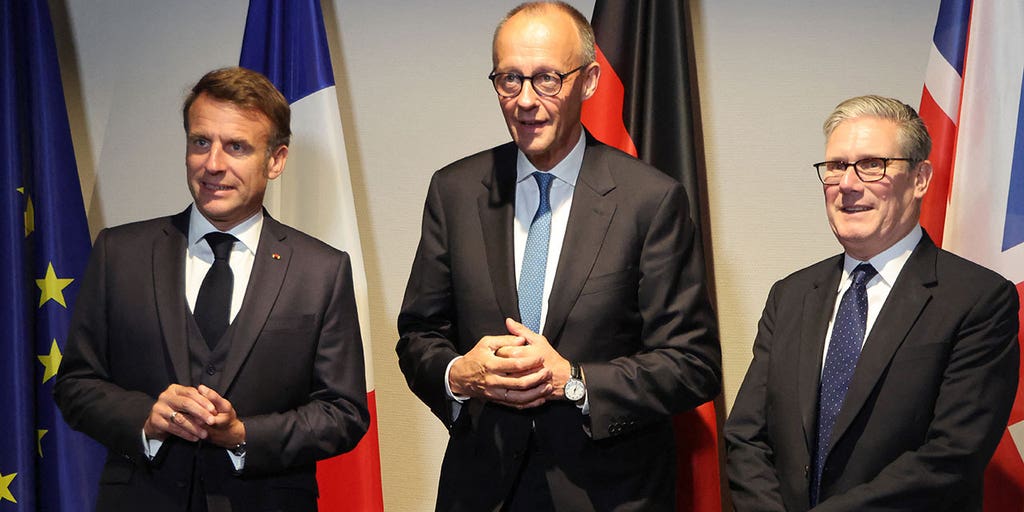
The U.K.’s position aligns with a broader European effort to avoid direct involvement in the conflict while still addressing its global consequences. Emmanuel Macron confirmed that France and the United Kingdom will jointly host a conference in the coming days focused on restoring safe passage through the Strait of Hormuz.
Macron described the proposed initiative as a “peaceful multinational” mission designed to ensure freedom of navigation without aligning with any party involved in the conflict. While France has not completely ruled out involvement in maritime operations, it has emphasized that any participation would be defensive in nature and separate from the U.S.-led blockade.
The planned conference is expected to bring together countries interested in stabilizing the region without escalating tensions, reflecting a more cautious European stance.
U.S. Moves Ahead with Blockade
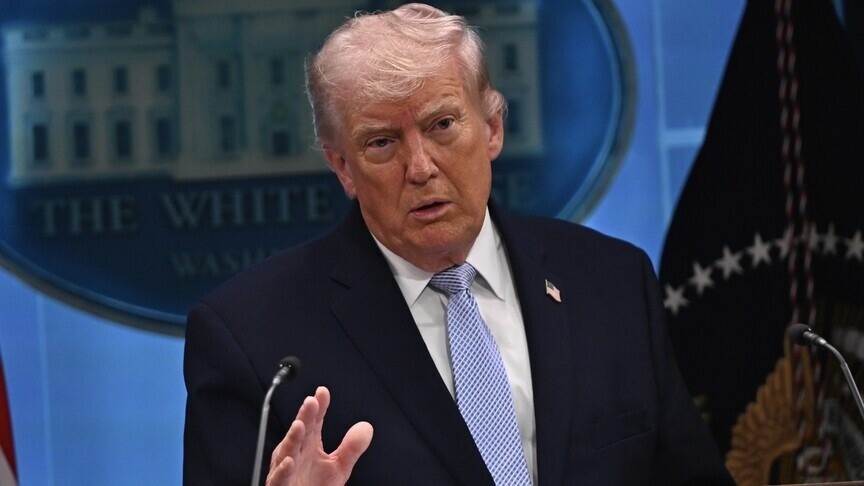
Meanwhile, Donald Trump has pressed forward with the blockade, which came into effect Monday morning. The move followed the breakdown of negotiations between Washington and Tehran over the weekend, which failed to produce a path toward de-escalation.
Trump stated that the blockade is intended to prevent Iran from exporting oil, a critical source of revenue for the country. He also suggested that other nations would assist in enforcing the measure, though he did not specify which ones.
His remarks have prompted uncertainty among allies, many of whom appear reluctant to join what they view as a high-risk escalation. European and Gulf states, in particular, have been cautious about becoming entangled in a conflict they see as avoidable.
Germany Also Declines Involvement
Germany has echoed this reluctance, signaling that it will not participate in the blockade. Officials in Berlin described Trump’s suggestion of international support as unclear and not grounded in any confirmed agreements.
The German government has consistently ruled out military involvement in the conflict and reiterated that position on Monday. Its stance reinforces a growing divide between the United States and some of its traditional allies over how to handle the crisis.
Balancing Security and Economic Impact
For the U.K., the conflict is already having domestic consequences. Rising energy prices, driven by instability in the Strait of Hormuz, are placing pressure on households and businesses. Starmer acknowledged these challenges, emphasizing that his government is working to shield citizens from the economic fallout.
He also pointed to Iran’s actions as a key factor behind disruptions in the strait, arguing that restrictions on navigation have contributed to the current crisis. At the same time, he reiterated that Britain’s role would remain limited to defensive measures and diplomatic coordination.
“We’re not going to get dragged into this war,” Starmer said, while confirming that the U.K. is engaged in efforts to protect maritime security.
A Divided International Response
The differing approaches highlight a widening gap in how major powers are responding to the U.S.-Iran conflict. While Washington has chosen a strategy of direct pressure through the blockade, European nations are pursuing parallel efforts aimed at de-escalation and maintaining open trade routes.
France’s proposed multinational mission and the U.K.’s emphasis on defensive operations reflect a preference for containment rather than confrontation. Germany’s refusal to participate further underscores the lack of consensus among Western allies.
As tensions continue to rise, the effectiveness of these parallel strategies remains uncertain. Much will depend on whether diplomatic initiatives can ease the situation or whether the conflict deepens, forcing more countries to take a definitive stance.
For now, the focus in Europe remains on keeping one of the world’s most critical waterways open—while avoiding deeper involvement in a rapidly intensifying geopolitical tension.
France Moves Toward Linux: A Major Shift for Digital Sovereignty and Tech Independence | Maya