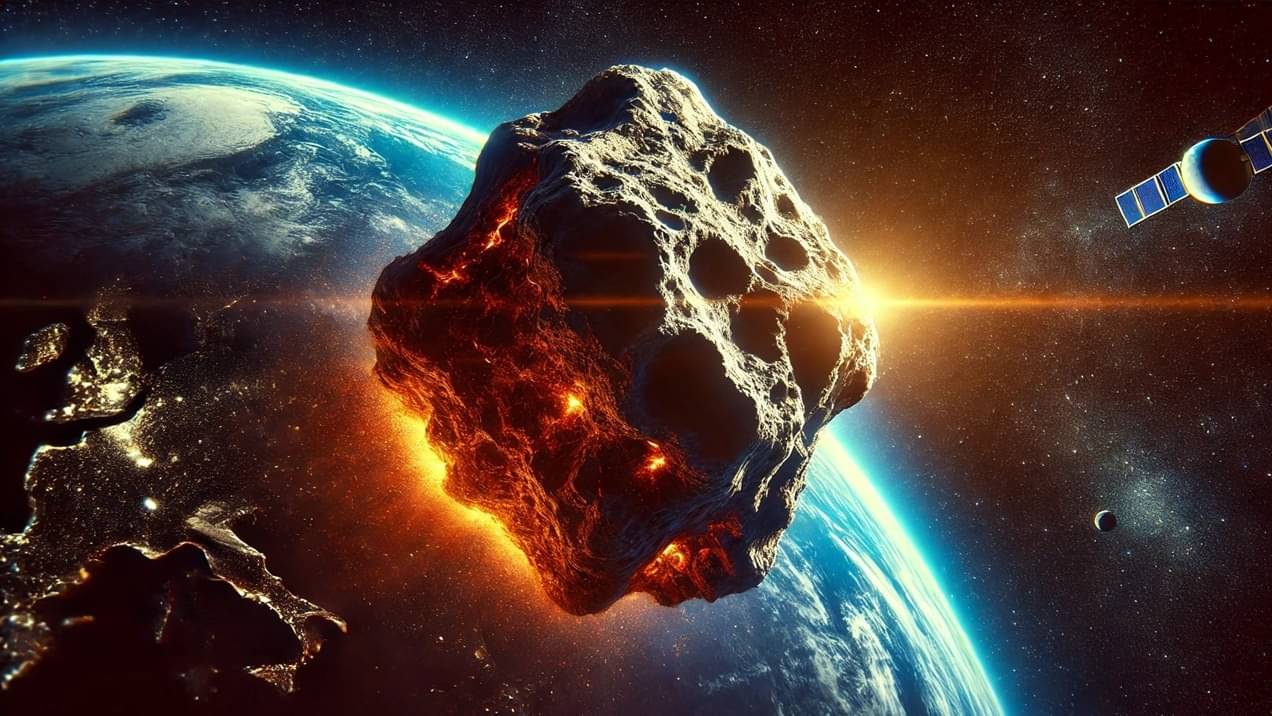
Who Owns Space Debris and Who Is Responsible for Cleaning It Up? If you’ve ever seen a movie where astronauts float around Earth dodging broken satellites and old rocket parts, you might think: Who is supposed to clean all that mess up? And even more confusing—who actually owns it? If it’s just floating in space, does it belong to anyone at all?
The answer is a mix of science, law, and a bit of “we’re still figuring it out.” Let’s explore it in a simple way.
What is space debris?
Space debris (sometimes called “space junk”) is anything made by humans that is now orbiting Earth but is no longer useful.
It can include:
- Old satellites that stopped working
- Pieces of rockets used to launch spacecraft
- Tiny flakes of paint that chipped off spacecraft
- Broken tools lost by astronauts during spacewalks
Even small pieces can travel extremely fast—up to 28,000 kilometers per hour. At that speed, even something the size of a bolt can damage a working satellite.
Right now, Earth’s orbit has millions of pieces of debris, from big broken satellites to tiny fragments too small to track.
So… who owns space debris?
This is where space law comes in.
The main rulebook for space is something called the Outer Space Treaty of 1967. Many countries signed it to agree on how space should be used peacefully.
One important idea in this treaty is:
If a country launches something into space, it still owns it—even if it breaks.
That means:
- A satellite launched by India is still India’s satellite, even if it stops working
- A rocket launched by the United States is still owned by the U.S., even after it falls apart in orbit
- Even broken parts floating in space still “belong” to the country or company that sent them up
So space debris doesn’t become “free for all garbage.” It still has legal ownership tied to whoever launched it.
But here’s the twist…
Ownership does not automatically mean responsibility for cleanup in a practical sense.
Who is responsible for cleaning it up?
This is the tricky part. Even though countries still “own” their space objects, there is no strong global rule that forces them to remove space debris once it becomes junk.
Think of it like this:
- If you own a broken toy, you still own it
- But no one is strictly forcing you to pick it up from a shared playground
In space, it’s even harder because:
- The debris is moving extremely fast
- It’s expensive to reach
- It can be dangerous to interact with
So responsibility is shared, but not clearly enforced.
However, there are some guiding principles:
1. The “launching country is responsible” idea
If a piece of space junk causes damage, the country that launched it can be held responsible under international law.
2. Companies also play a role
Today, many satellites are launched by private companies, not just governments. So companies are also expected to:
- Design safer spacecraft
- Reduce waste in orbit
- Plan how satellites will be removed at the end of their life
3. International cooperation matters
Space is shared by everyone. So agencies like:
- NASA (USA)
- ESA (European Space Agency)
- ISRO (India)
…work together on guidelines to reduce future debris.
Why is space debris a growing problem?
Space used to be fairly empty. But now it’s crowded because:
- Thousands of satellites are being launched for internet, GPS, weather, and communication
- More countries and companies are entering space
- Old satellites are not always removed properly
Some satellites are moved to a “graveyard orbit,” but many are simply left to drift.
And here’s the scary part: debris can crash into other debris, creating even more debris. This chain reaction is called the Kessler Syndrome, where space becomes so crowded with junk that it becomes dangerous to use.
Why don’t we just clean it all up?
It sounds simple, but it’s actually extremely difficult.
Imagine trying to:
- Catch a tiny screw
- Traveling faster than a bullet
- In a place with no air, gravity tricks, or easy stopping points
Now imagine doing that millions of times.
Challenges include:
1. Speed and distance
Objects in orbit move incredibly fast. Matching their speed safely takes advanced technology.
2. Cost
Space missions are very expensive. A cleanup mission can cost hundreds of millions of dollars.
3. Identification problem
Some debris is too small to track accurately.
4. Ownership rules
Even if something is junk, you can’t just grab it and remove it without permission from the country that launched it.
Are there efforts to clean space?
Yes! Scientists and engineers are actively working on solutions. This is one of the most exciting areas of modern space technology.
1. Robotic cleanup missions
Companies and agencies are building spacecraft that can:
- Capture dead satellites using robotic arms or nets
- Pull them out of orbit
- Guide them into Earth’s atmosphere where they burn up safely
One example is the mission by the European Space Agency called ClearSpace-1, designed specifically to remove a piece of space debris.
2. Capture and drag systems
Some ideas include:
- Harpoons (yes, like space fishing!)
- Nets to trap debris
- Sticky materials that can grab objects
3. “Space tugs”
These are spacecraft designed like tow trucks in space. They can:
- Attach to old satellites
- Move them to safer orbits or toward re-entry
4. Better satellite design
New satellites are being designed to:
- Burn up completely when they re-enter Earth’s atmosphere
- Have built-in “end-of-life plans”
- Use less fragile materials
What about laws for the future?
Right now, space law is still catching up with technology.
Experts are discussing:
- Rules that require satellites to be removed after use
- Fines or penalties for leaving junk behind
- International “traffic control” for space
- Shared cleanup responsibilities among countries
There is also growing talk about treating space like oceans—shared spaces that need collective care.
But unlike oceans, space has no borders, no police, and no easy enforcement system. That makes agreements harder.
A simple way to understand it
Imagine Earth orbit like a giant playground in the sky.
- Countries and companies are kids bringing toys (satellites)
- Some toys break but are left lying around (debris)
- Everyone still “owns” their toys, even broken ones
- But no single teacher is fully in charge of cleaning everything
Now imagine trying to play safely while the playground slowly fills with flying broken toys moving super fast.
That’s why space debris is such a serious issue.
Why it matters for everyday life
Space debris might sound far away, but it affects us more than we realize.
Satellites help with:
- GPS navigation
- Weather forecasting
- Internet and phone signals
- TV broadcasting
- Disaster monitoring
If space becomes too crowded with debris, it could damage these systems. That would affect flights, shipping, farming, emergency services, and daily communication.
So cleaning space isn’t just about astronauts—it’s about keeping modern life running smoothly on Earth.
The future: a cleaner space?
The good news is that awareness is growing quickly. Many scientists believe that within the next few decades, space cleanup will become as normal as waste management on Earth.
We may see:
- Regular debris removal missions
- International space cleanup agreements
- Self-cleaning satellites
- AI systems that track and avoid collisions
Space is becoming busy, but not uncontrollable.
Final thoughts
So, who owns space debris? Technically, the country or company that launched it still does.
And who is responsible for cleaning it up? Right now, responsibility is shared—but not strictly enforced. That’s why space debris remains one of the biggest challenges in modern space exploration.
The important idea is this: space is not owned by anyone alone—it is shared by everyone. And as we continue to explore it, keeping it safe and clean is something the whole world will need to work on together.
Because even in space, trash doesn’t just disappear on its own. How World Wars Reshaped Global Politics Forever | Maya