White House Says Iran Offer Falls Short Amid Rising War Threat- The White House has reportedly dismissed Iran’s latest proposal aimed at reducing tensions and advancing negotiations over its nuclear program, saying the revised offer fails to meet key American demands. Senior U.S. officials familiar with the discussions described the updated proposal as insufficient, arguing that Tehran has yet to make the kind of concrete concessions Washington believes are necessary for a meaningful agreement.
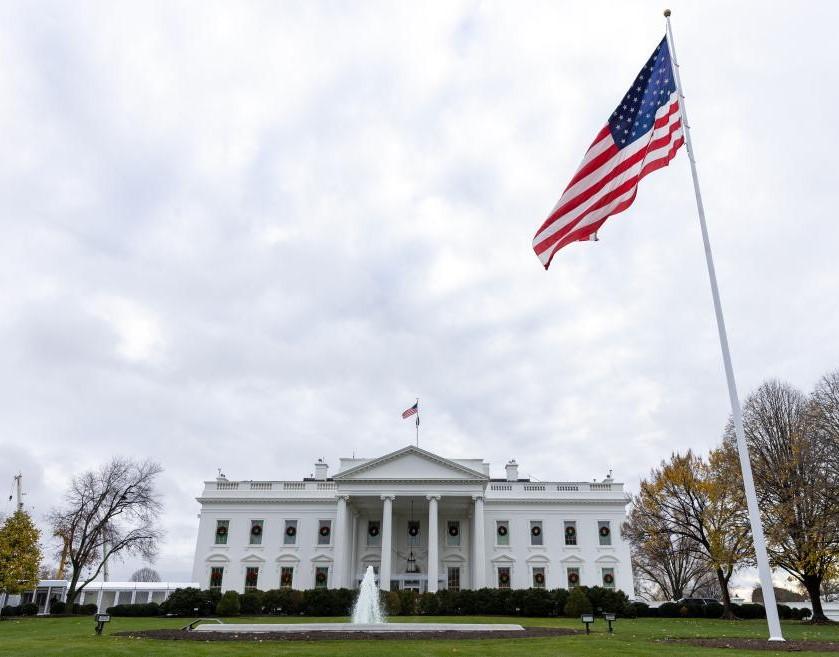
The latest development comes at a time of growing uncertainty in the region, with diplomatic efforts continuing alongside increasingly sharp warnings from both sides. President Donald Trump is expected to meet with top national security advisers to review the situation and discuss possible next steps, including diplomatic pressure and military options if negotiations fail to progress.
According to officials briefed on the talks, Iran’s updated proposal includes stronger statements about its commitment not to pursue nuclear weapons. However, the White House reportedly believes the language lacks practical commitments regarding the most sensitive issues in the negotiations. These include restrictions on uranium enrichment, international verification measures, and the future of Iran’s stockpile of highly enriched uranium.
American officials have repeatedly stressed that symbolic assurances alone will not be enough to secure a deal. Washington wants detailed commitments that can be independently verified and enforced, arguing that any agreement must significantly reduce the possibility of Iran developing a nuclear weapon in the future. The administration has also emphasized that sanctions relief would only be considered if Iran takes measurable and reciprocal steps regarding its nuclear activities.
The negotiations themselves remain indirect, with mediators reportedly carrying messages between Washington and Tehran. This process has made discussions slower and more complicated, as both sides continue to publicly defend their positions while privately attempting to find common ground. Diplomatic observers note that indirect talks often create misunderstandings and delays because proposals pass through several channels before reaching decision-makers.
Despite the tense atmosphere, the White House insists diplomacy remains its preferred option. However, recent comments from U.S. officials suggest frustration is growing inside the administration. Some officials believe Iran is attempting to buy time without offering meaningful compromises, while also testing how far the United States is willing to go to avoid military escalation.
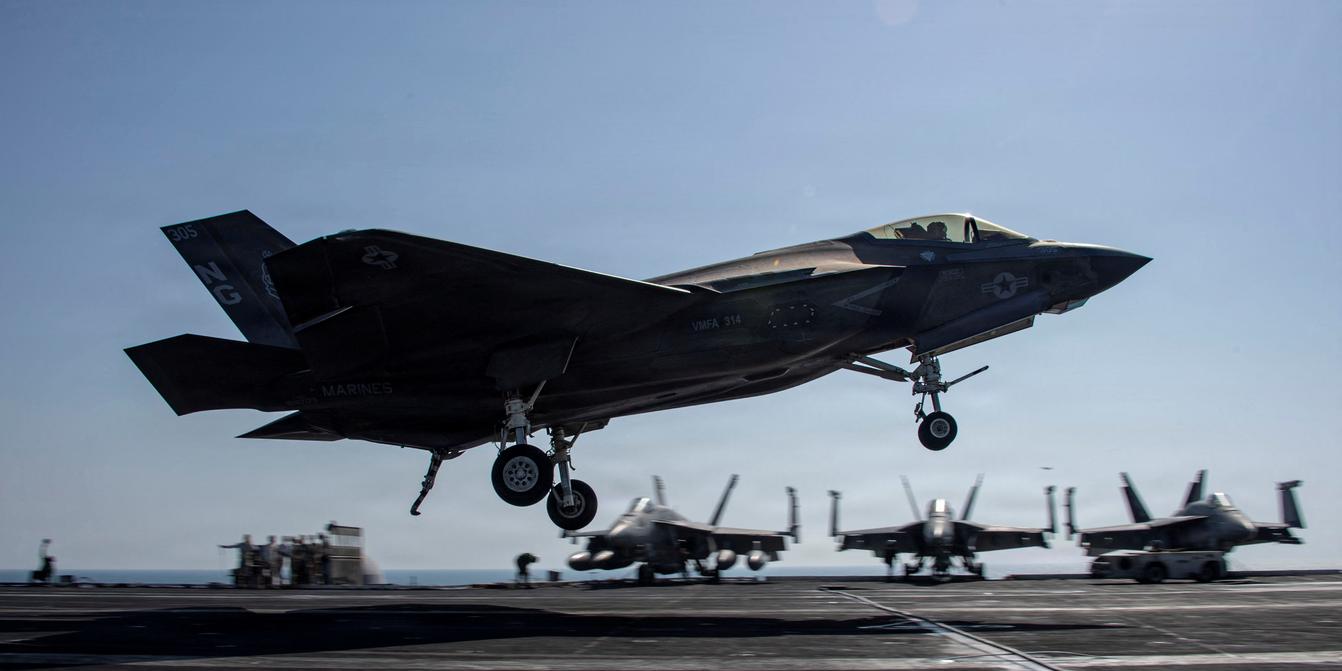
Trump has publicly warned that time for negotiations may be running out. According to officials, the administration believes pressure must remain high to push Iran toward a more detailed and serious proposal. Statements from senior U.S. figures have increasingly highlighted the possibility of military action if diplomacy collapses entirely.
The situation has raised concerns among international observers, many of whom fear that a failure in negotiations could trigger a broader regional crisis. The Middle East has already experienced years of instability tied to tensions involving Iran, and any direct military confrontation could have serious consequences for global security, energy markets, and diplomatic relations across the region.
Iran, meanwhile, continues to insist that its nuclear program is intended for peaceful civilian purposes. Iranian leaders argue that the country has the right to pursue nuclear technology for energy and scientific development under international law. Tehran has also accused Washington of applying excessive pressure while failing to provide guarantees that sanctions would truly be lifted under a future agreement.
Iranian officials have long maintained that economic sanctions have severely damaged the country’s economy and harmed ordinary citizens. As a result, Tehran is reportedly seeking meaningful sanctions relief as part of any deal. However, the United States appears unwilling to offer major economic concessions without stronger commitments from Iran first.
Analysts say both sides are attempting to strengthen their negotiating positions before making any major compromise. The United States is using military pressure and economic leverage to push for stricter nuclear limits, while Iran appears determined to avoid appearing weak or surrendering too much under pressure.
For now, diplomacy remains active, but the gap between the two sides appears significant. While neither Washington nor Tehran has fully walked away from negotiations, the tone of recent statements suggests the talks may be entering a more dangerous phase. With military threats becoming more visible and political pressure increasing on both sides, the coming weeks could prove critical in determining whether diplomacy survives or whether tensions move closer toward open confrontation.