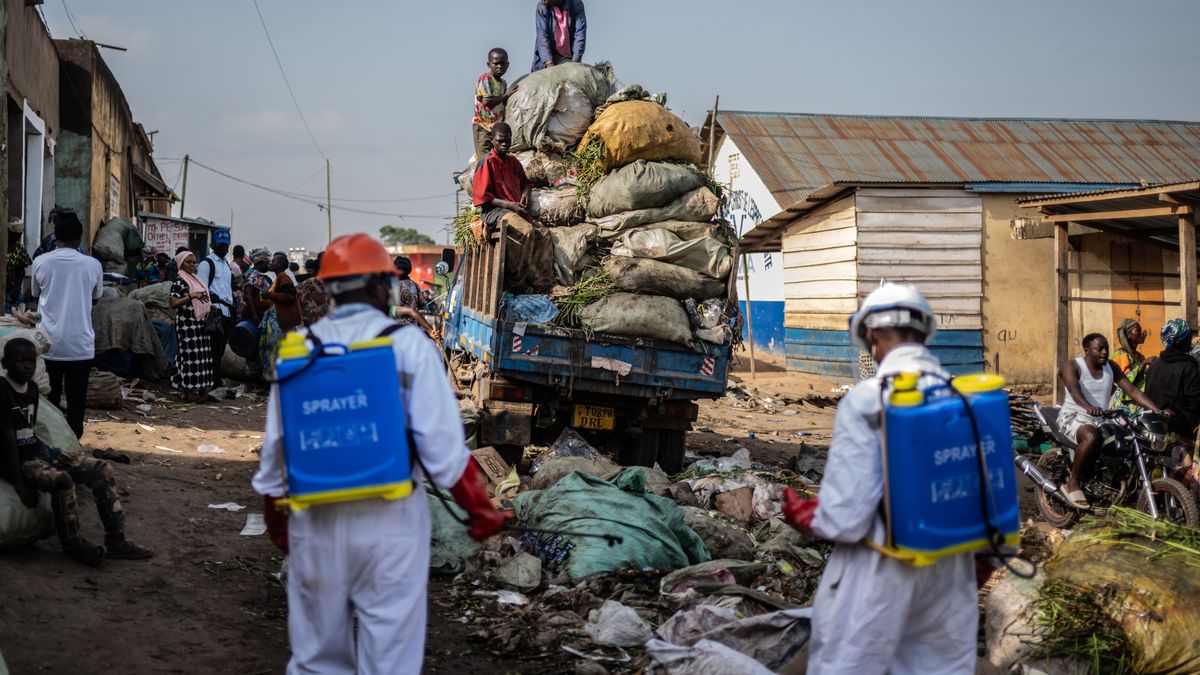
Suspected Ebola Infections in Eastern Congo Cross 900 as Health Crisis Deepens- The Democratic Republic of Congo is battling a worsening Ebola outbreak after the number of suspected infections in the country’s eastern region climbed past 900 cases, raising alarm among health officials and international aid agencies.
Authorities say the outbreak is spreading rapidly in Ituri province, where medical teams are struggling to contain the virus amid insecurity, displacement, and attacks on healthcare facilities. According to the latest figures released by the government, there are now 904 suspected Ebola cases and 119 suspected deaths linked to the outbreak.
The rising numbers have intensified concerns over the fragile humanitarian situation in eastern Congo, a region that has faced years of violence involving armed militias, weak public infrastructure, and repeated public health emergencies.
The World Health Organization (WHO) has classified the outbreak as a “very high” national risk for Congo, although officials say the possibility of the virus spreading internationally remains low for now. Health experts warn that conditions on the ground could make containment efforts extremely difficult if immediate action is not strengthened.
Medical workers are facing enormous challenges as they attempt to trace infections, isolate patients, and educate local communities about prevention measures. The situation has become even more dangerous after several Ebola treatment centres were attacked and set on fire in recent days.
Two treatment facilities in eastern towns were targeted in arson attacks last week, forcing disruptions to emergency operations and increasing fears among healthcare staff. The attacks are believed to reflect rising frustration and distrust toward authorities and international organizations operating in the region.
Eastern Congo has long struggled with instability caused by armed rebel groups, and ongoing violence has complicated efforts to deliver healthcare services. Aid workers often face security risks while trying to reach infected communities, while some medical operations have been temporarily suspended due to safety concerns.
The outbreak is also being fueled by large-scale population displacement. Thousands of families forced to flee violence are now living in overcrowded shelters and camps where access to clean water, sanitation, and proper healthcare remains severely limited. Public health specialists say such conditions create a high risk for infectious diseases like Ebola to spread more quickly.
Healthcare systems across affected communities are under intense pressure. Hospitals and clinics are reportedly dealing with shortages of medicine, protective equipment, and trained personnel. Experts say international aid cuts in recent years have weakened healthcare infrastructure in some of the country’s most vulnerable areas, leaving local authorities with fewer resources to respond effectively.
Fear and misinformation are also complicating containment efforts. In several communities, residents remain hesitant to seek treatment or cooperate with health officials because of distrust, stigma, or confusion surrounding the disease. Medical teams are continuing awareness campaigns to encourage early reporting of symptoms and improve public understanding of how the virus spreads.
Ebola is a highly dangerous viral disease transmitted through direct contact with bodily fluids of infected individuals or contaminated surfaces. Symptoms can include fever, weakness, vomiting, diarrhea, and severe internal bleeding. Without early treatment and isolation, outbreaks can escalate rapidly and become deadly.
Congo has experienced multiple Ebola outbreaks over the past decade, particularly in its conflict-hit eastern provinces. Previous epidemics exposed major weaknesses in the country’s healthcare system and demonstrated how violence and political instability can undermine disease control efforts.
International organizations are continuing to support response operations through vaccination campaigns, laboratory testing, and emergency medical assistance. However, health officials warn that success will depend heavily on improving security conditions and restoring trust between local communities and healthcare providers.
The latest surge in suspected infections highlights the growing danger facing eastern Congo as authorities race to prevent the outbreak from spiraling further out of control. With violence continuing and medical facilities under pressure, experts fear the crisis could worsen unless stronger support and coordinated action are delivered quickly.
As emergency teams continue their work on the ground, the outbreak serves as another stark reminder of how conflict, displacement, and fragile healthcare systems can combine to intensify public health disasters in vulnerable regions. Oreshnik Missile Used in Deadly Russian Attack on Kyiv | Maya